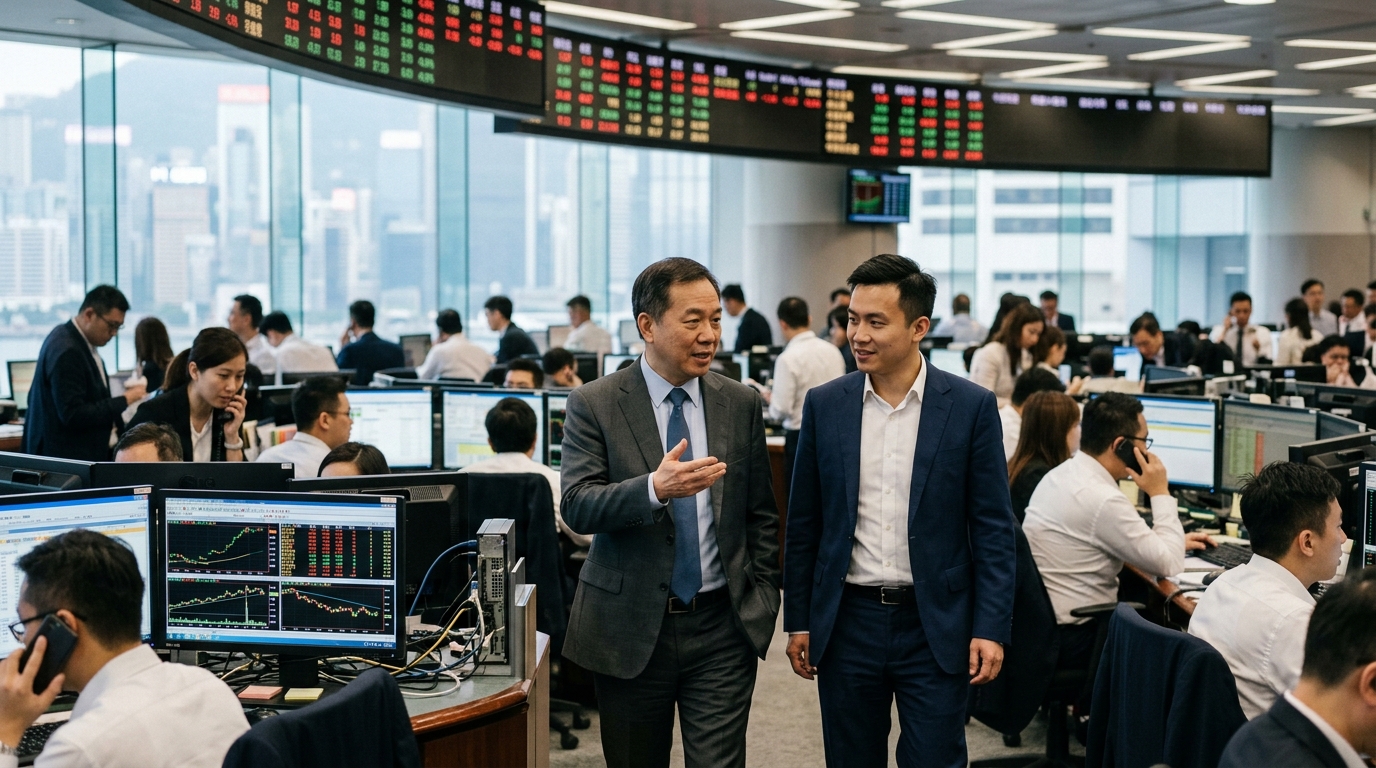
In the shifting landscape of global technological hegemony, Hong Kong is attempting to redefine its role as the ultimate hub for Artificial Intelligence. The news that Chinese AI giants Zhipu and Minimax are on the verge of joining the Hang Seng TECH Index is not merely a stock market update; it is a geopolitical statement of intent. As the United States tightens chip export controls and investment restrictions, Beijing and Hong Kong are constructing an alternative ecosystem designed to shield Chinese innovation from Western pressure.
The Rise of the Eastern Unicorns
Zhipu AI and Minimax are not just names in a database. Zhipu, born out of the research labs of Tsinghua University, is widely regarded as China's answer to OpenAI. With its GLM (General Language Model), the company has successfully secured investments from Alibaba, Tencent, and Meituan, reaching valuations exceeding $3 billion. On the other hand, Minimax focuses on social interaction and generative AI, having earned the backing of HongShan (formerly Sequoia China).
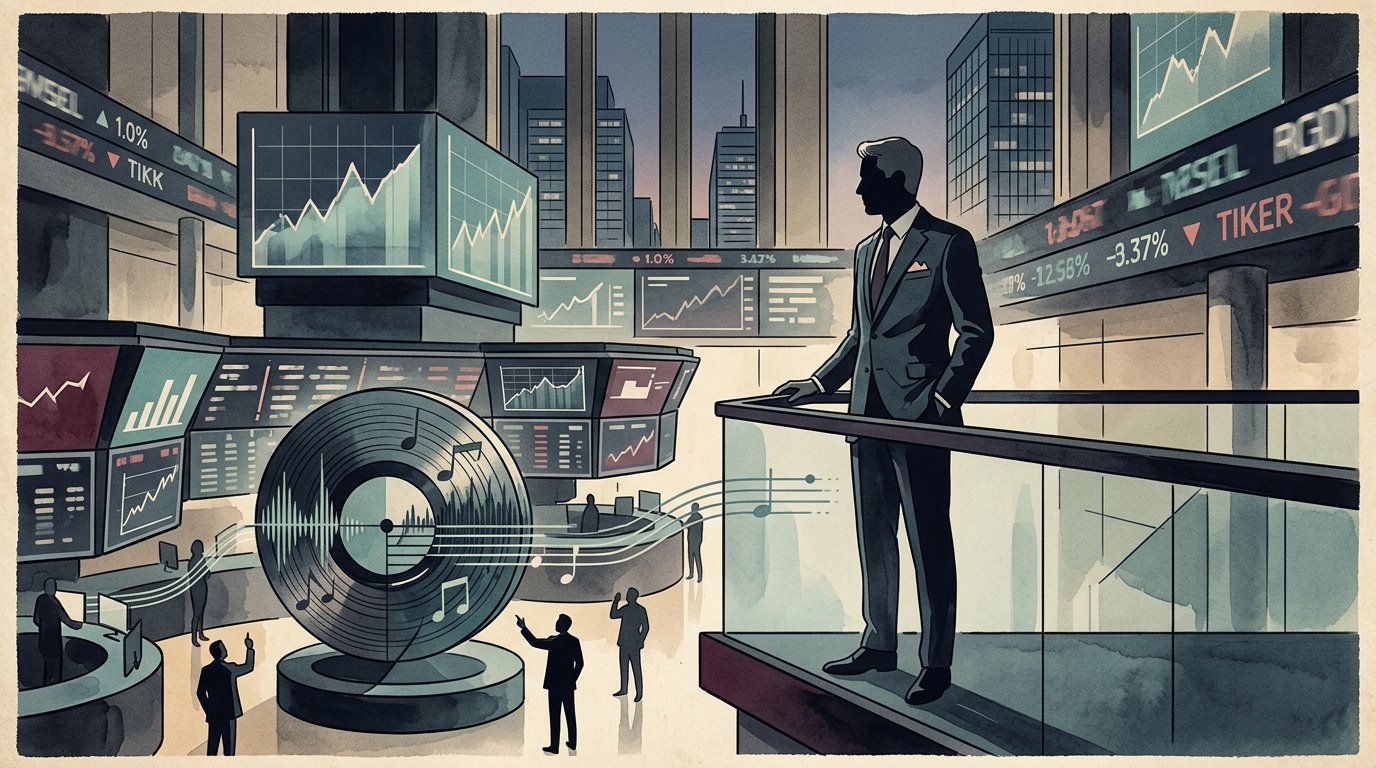
The inclusion of these companies in the Hang Seng TECH Index will act as a magnet for passive capital. When a company joins such a high-profile gauge, Exchange Traded Funds (ETFs) tracking the index are mandated to purchase its shares, creating an automatic influx of liquidity. For the Hong Kong market, which has suffered in recent years from capital flight and a persistent property crisis, AI represents the 'kiss of life' needed to regain its momentum.
Geopolitical Shielding and Hong Kong's Strategy
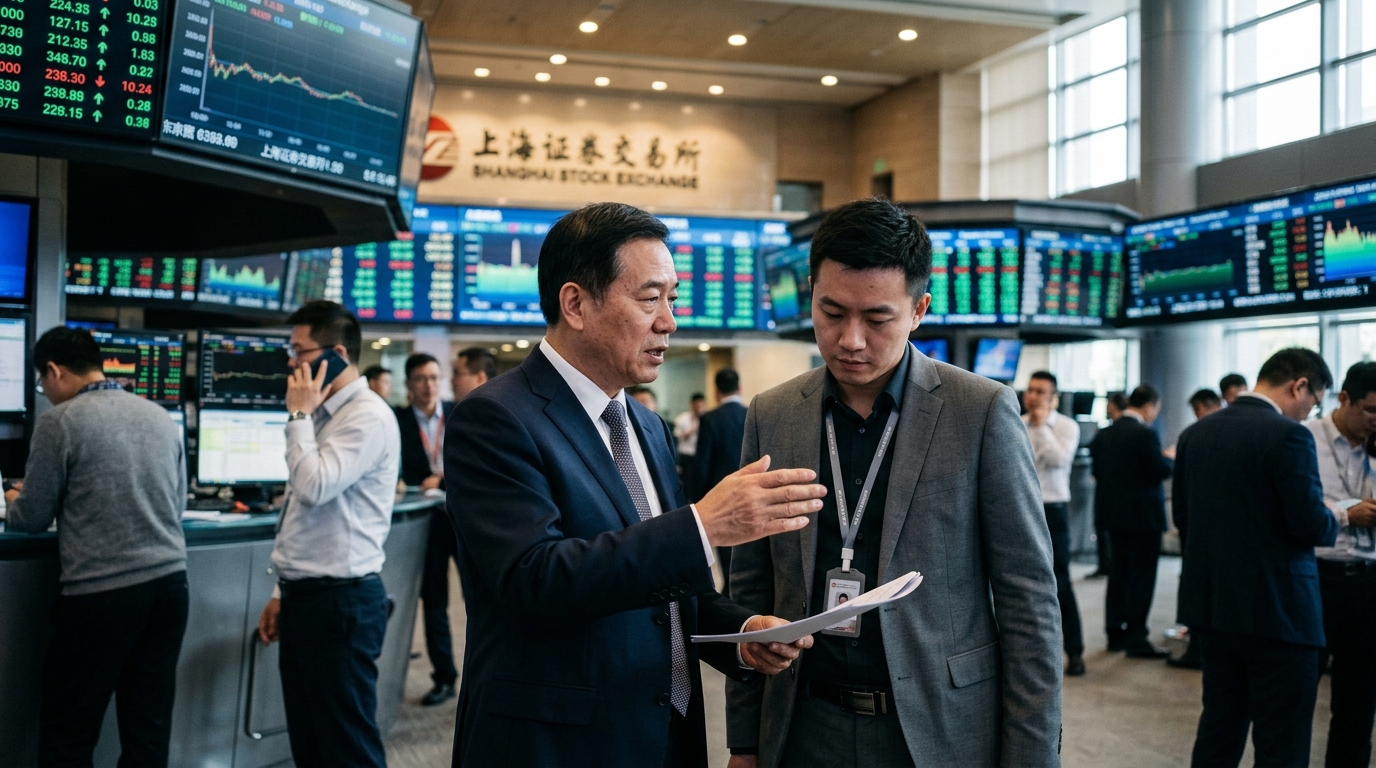
The strategic importance of Hong Kong as a financial gateway remains indisputable despite political turbulence. For Chinese AI firms, listing on the Hong Kong Stock Exchange (HKEX) offers access to international capital without the inherent risks of a US listing on the Nasdaq or NYSE, where the specter of delisting due to national security concerns is ever-present. Furthermore, the 'Stock Connect' program allows mainland Chinese investors to funnel their capital directly into these firms, further bolstering valuations.
"We are not just seeing the listing of new companies, but the birth of a new financial paradigm where AI technology becomes the primary currency of power in Asia," market analysts suggest.
Challenges and the Valuation Battle
However, the path forward is not without obstacles. The primary challenge for Zhipu and Minimax remains profitability. Training large language models (LLMs) requires immense resources in terms of computing power and energy, at a time when access to top-tier Nvidia chips is restricted. Additionally, China's regulatory framework for AI-generated content is among the strictest globally, forcing companies to spend significant capital on compliance and content moderation.
Despite these difficulties, the investment community is showing an unprecedented 'thirst' for anything AI-related. The potential index inclusion will provide these companies with the prestige required to attract strategic partners from Europe and the Middle East, diversifying their shareholder base. Hong Kong, for its part, hopes that AI will be the catalyst that transforms its stock exchange from an 'old economy' market (banks, real estate) into a true 21st-century technological sanctuary.
Conclusion
The movement of Zhipu and Minimax toward the Hang Seng TECH Index is a clear sign that the center of gravity in tech financing is shifting. While Silicon Valley remains the pioneer in innovation, Asia is building its own capital infrastructure to support its own champions. For investors, this development offers a unique opportunity for exposure to Chinese AI, which, despite constraints, continues to grow at a pace that the West simply cannot afford to ignore.