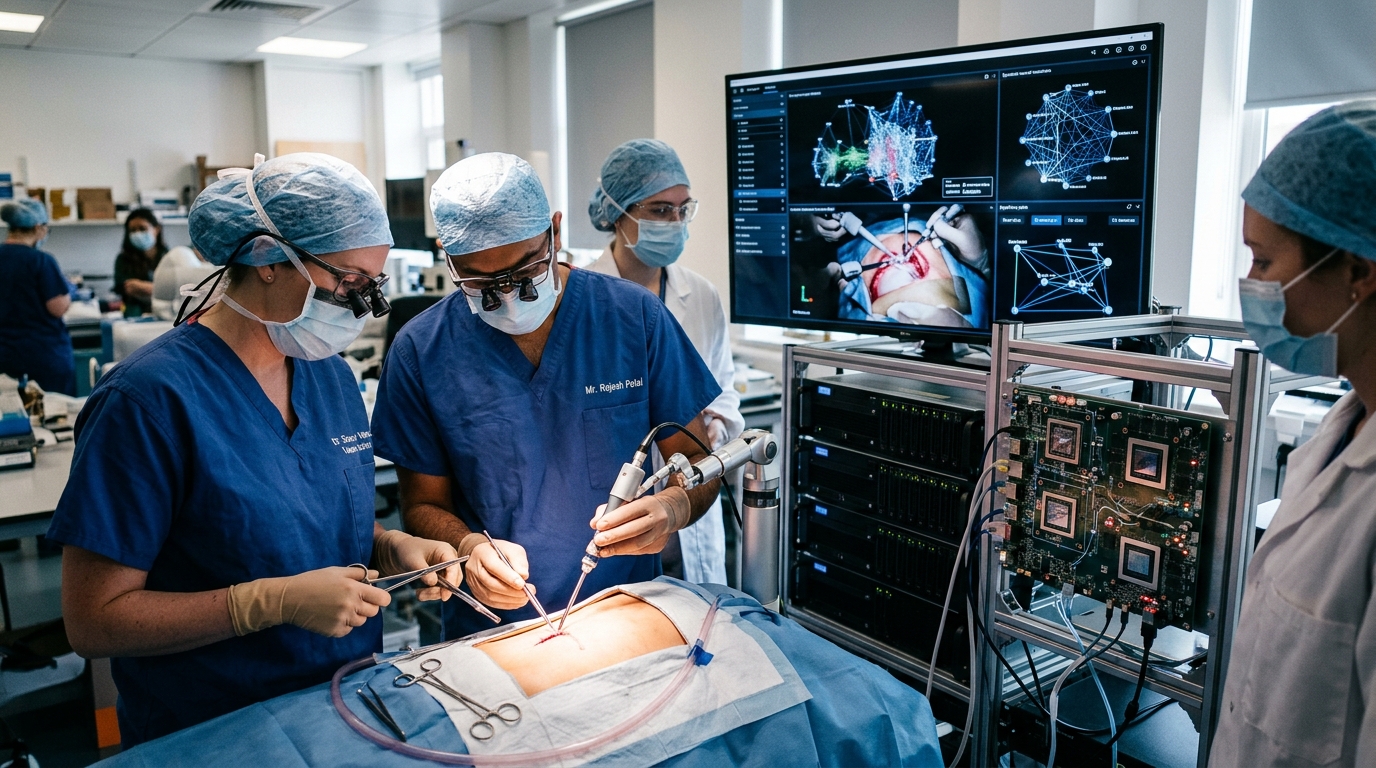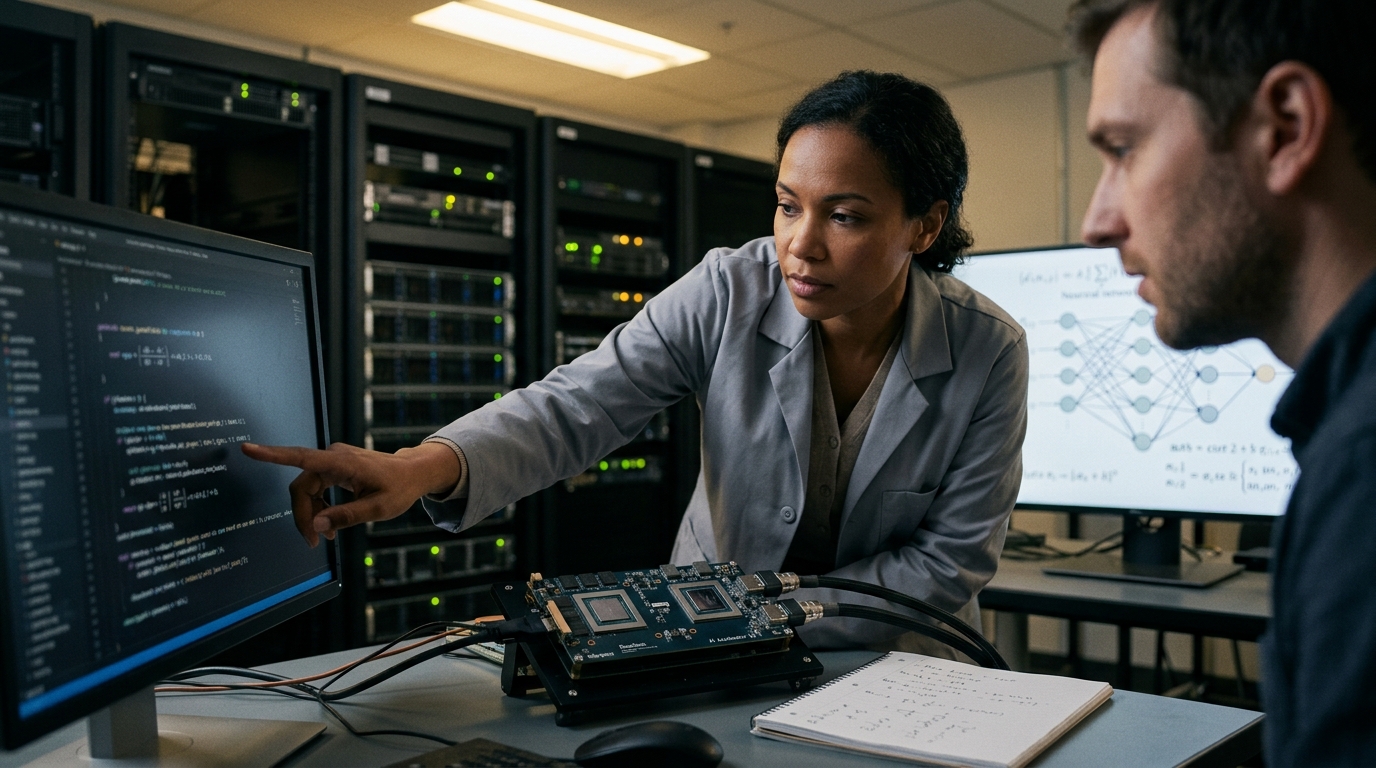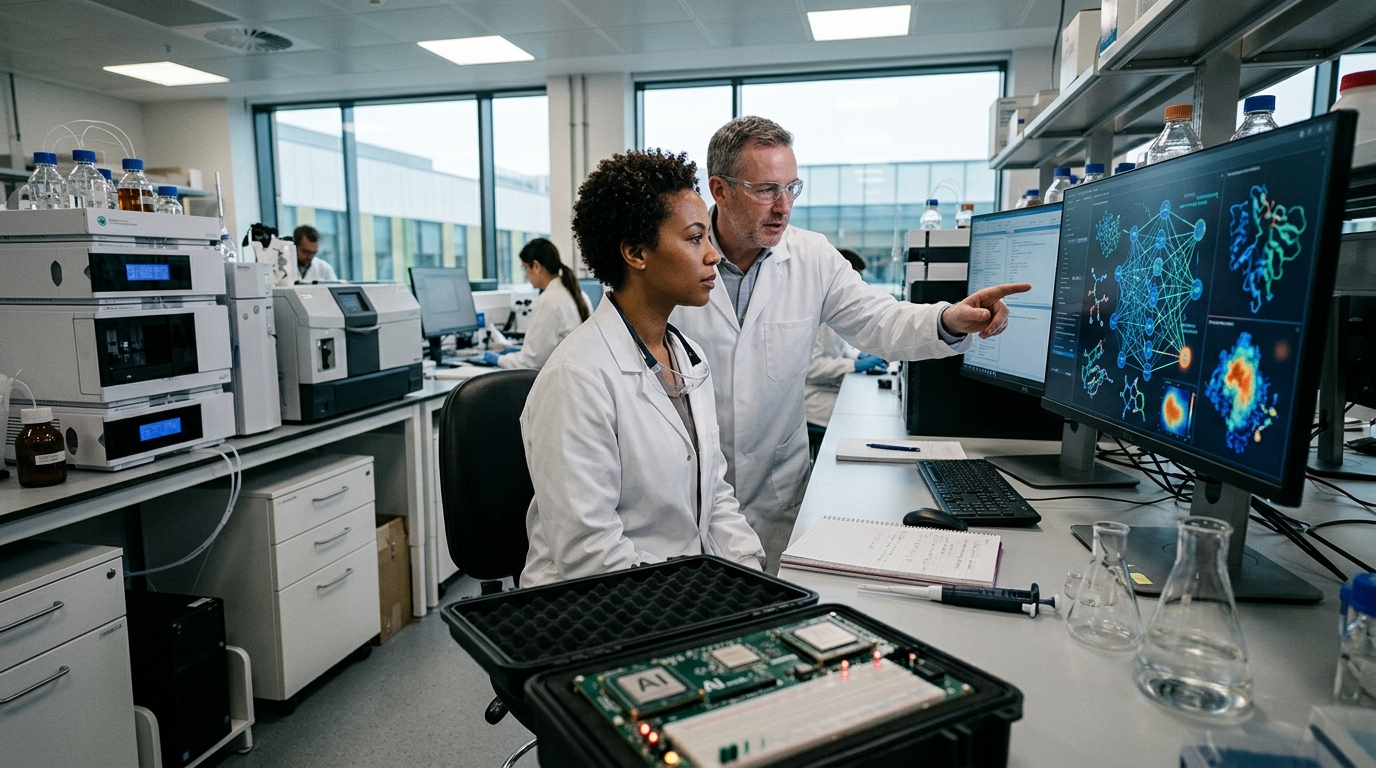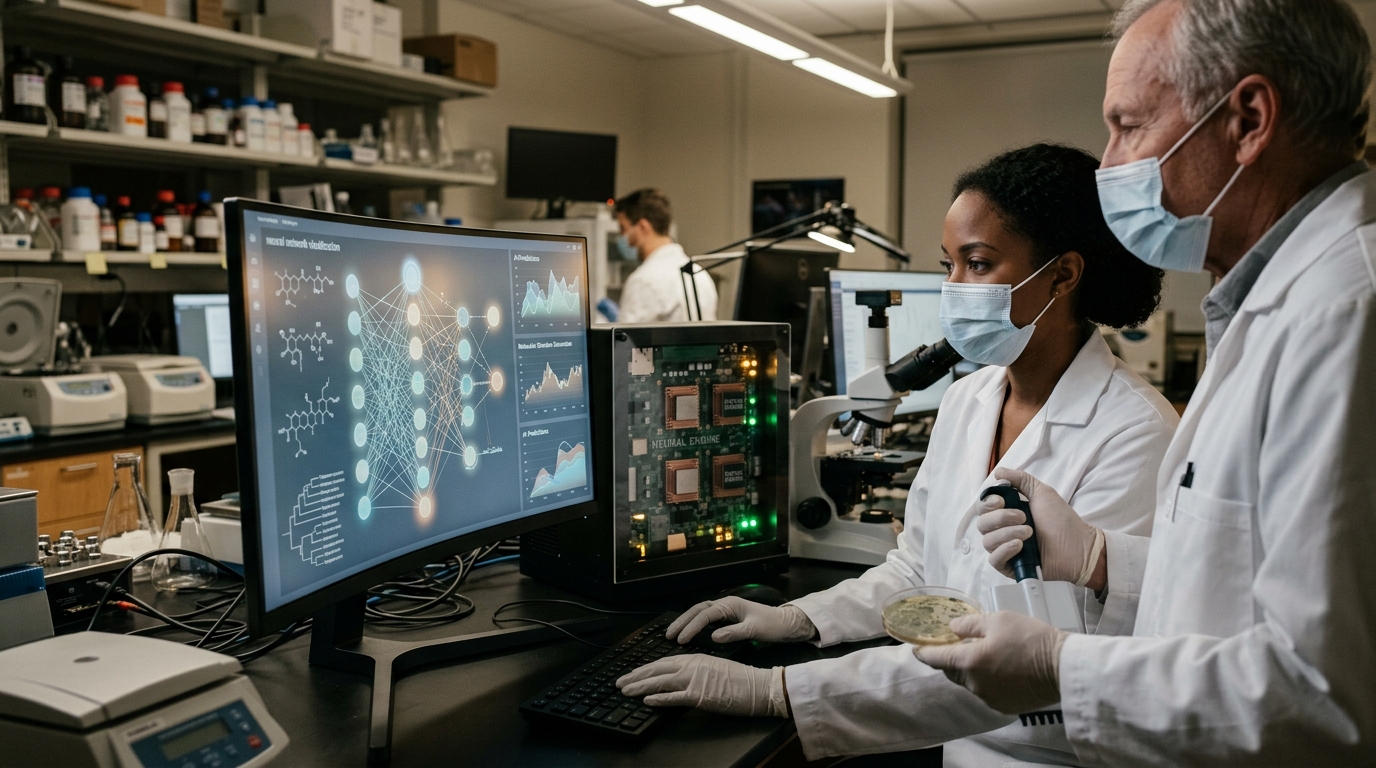
At the dawn of a new era for biochemical research, Artificial Intelligence (AI) is emerging as humanity's most potent ally against the "silent pandemic": antimicrobial resistance (AMR). Recent studies, highlighted by the global scientific community, reveal how machine learning algorithms are dramatically accelerating the identification of new chemical compounds capable of neutralizing pathogens that have previously resisted traditional disinfectants.
The Crisis of Resistant Pathogens
For decades, the discovery of new disinfectants and antiseptics followed a grueling path of trial and error. Scientists had to test thousands of chemicals in the lab, a process requiring immense resources and time. Meanwhile, bacteria and viruses evolve at a blistering pace. The overuse of antibiotics and a stagnation in the development of new cleaning agents in hospitals have led to the rise of "superbugs," such as Methicillin-resistant Staphylococcus aureus (MRSA), which threaten to make modern medical procedures exceptionally dangerous.
The need for new disinfectants isn't just about surface cleanliness; it's about the very infrastructure of public health. Next-generation disinfectants must be not only effective but also safe for humans, non-corrosive to medical equipment, and environmentally sustainable. This is precisely where AI steps in.
The Algorithmic Catalyst of Chemistry
The use of AI in chemistry is built upon the ability of models to "learn" molecular properties. Instead of waiting for physical experiments, researchers train neural networks on vast databases containing millions of known chemical structures and their biological effects. AI can predict with startling accuracy which combinations of atoms will be lethal to a bacterium yet harmless to human skin.
- Chemical Space Screening: AI can analyze billions of potential compounds in a few days, a task that would take a human researcher decades.
- Toxicity Prediction: Models evaluate whether a substance is carcinogenic or irritating before it is even synthesized in a lab.
- Cost Optimization: AI identifies substances that are easy to mass-produce, lowering the financial burden on healthcare systems.
In recent experiments, research teams utilized Graph Neural Networks (GNNs) to identify structures that "puncture" the protective membranes of bacteria. This targeted approach allows for the creation of disinfectants that act through mechanical means, making it significantly harder for microbes to evolve resistance.
Beyond the Lab: Social and Ethical Implications
This acceleration brings its own set of challenges. While AI can find the "perfect" molecule, regulatory approval remains a slow, bureaucratic process. Health authorities must adapt to a world where innovation moves at the speed of software. Furthermore, there is the question of equity: will these new disinfectants be accessible to developing nations, where hospital-acquired infections are most prevalent, or will they remain a luxury for wealthy healthcare systems?
"Artificial Intelligence does not replace the chemist; rather, it provides them with a microscope capable of seeing the future of molecular interaction," industry experts note.
In conclusion, the convergence of computer science and biology is constructing a new wall of defense. The discovery of disinfectants via AI is merely the beginning of a broader revolution that promises to make our world cleaner and safer, preempting the next health crisis before it even begins.