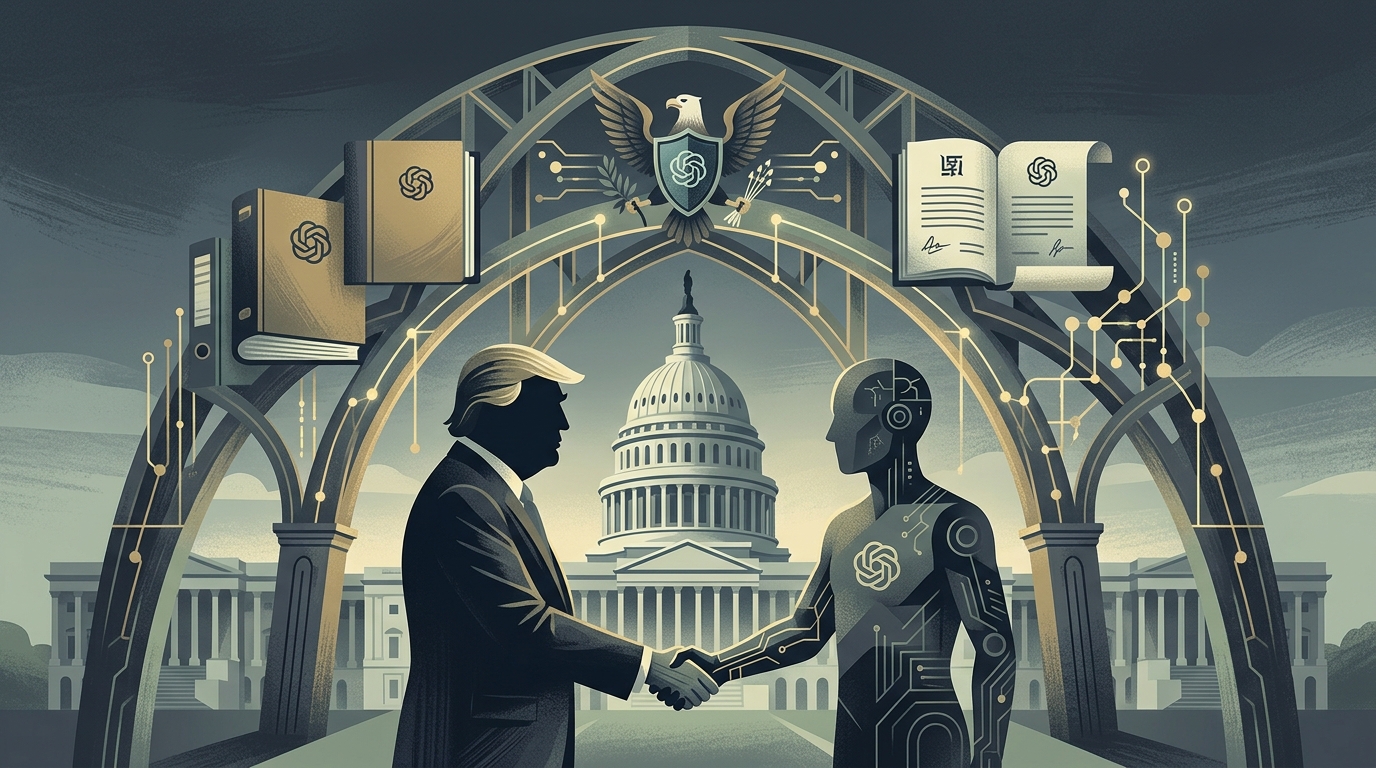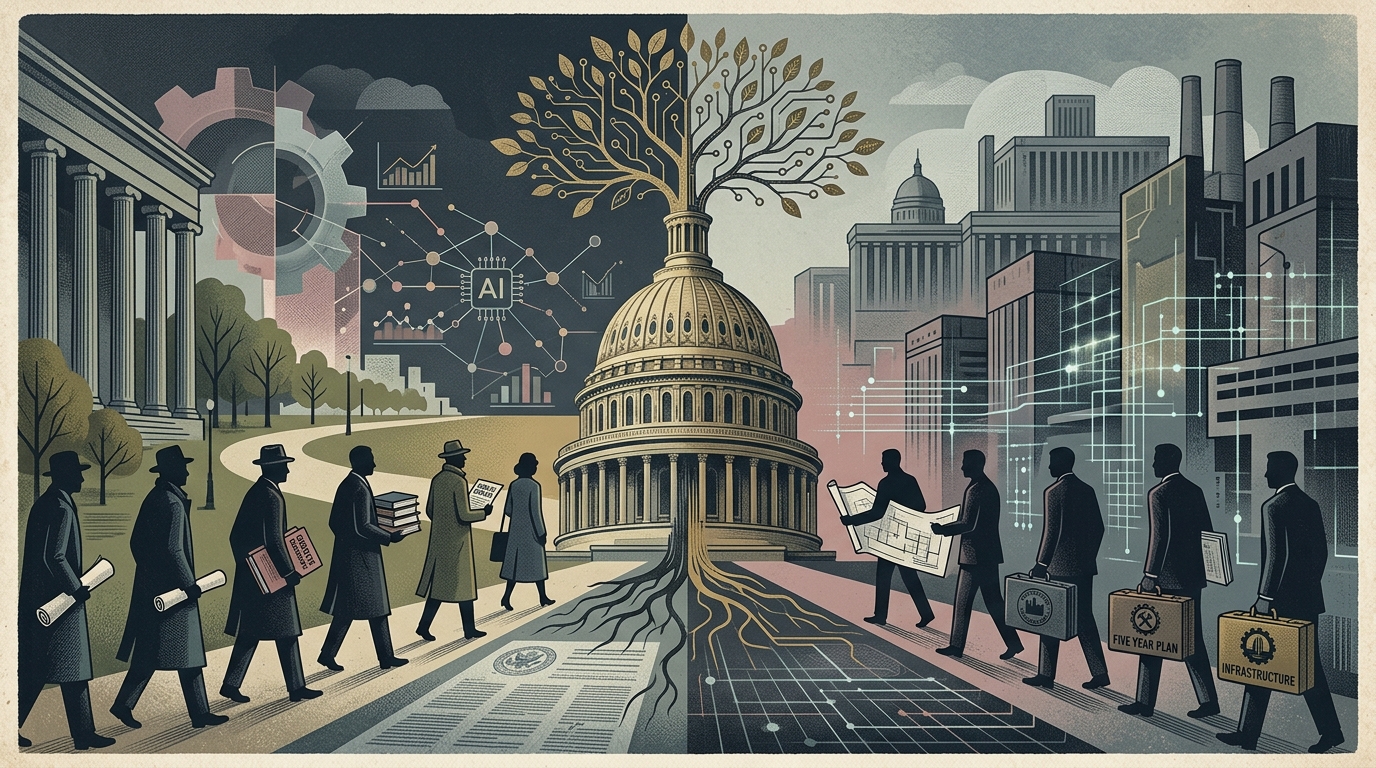
It is May 2026, and the illusion of digital truth has definitively shattered. What began as a technological curiosity—the ability of generative AI to produce convincing text and imagery—has evolved into a systemic threat causing real, measurable damages. From stock market flash crashes triggered by fabricated news to the total destruction of personal reputations via sophisticated deepfakes, society is no longer merely dealing with "fake news" but with a "synthetic reality" that demands immediate legal intervention.
The Liability Vacuum and the Search for Accountability
The central question currently haunting courtrooms worldwide, from Seoul to Brussels, is the attribution of liability. When a Large Language Model (LLM) generates false information that leads an investor to financial ruin, or when an image generation tool is used to create non-consensual explicit content, who is responsible? Is it the platform developers, the user who provided the prompt, or the machine itself?
Until recently, tech giants sheltered behind the idea that they were merely tool providers, likening themselves to pen manufacturers who aren't liable for what a writer composes. However, the jurisprudence of 2026 is shifting. The concept of "inherent dangerousness" in AI models is gaining traction. If a model is trained on biased data or if its safety guardrails are easily bypassed through jailbreaking, legal scholars argue that the manufacturer bears a share of the responsibility for "unsafe design."
The EU AI Act and the Global Domino Effect
The full implementation of the European Union’s AI Act serves as the global benchmark. The legislation categorizes AI systems based on risk, imposing strict transparency obligations on high-risk models. Companies are now mandated to clearly label AI-generated content (watermarking), ensuring citizens know whether they are consuming human-made or algorithmically synthesized media.
In South Korea, recent moves to enact laws addressing "actual damages" from AI reflect a global trend. Regulators there are focusing on protecting consumers from AI-enhanced fraud. This is no longer just about copyright protection; it is about safeguarding social cohesion. When digital scams use cloned voices of family members to extort money, tort law must adapt with unprecedented speed.
The Economic Dimension of False Information
Markets are exceptionally vulnerable to algorithmic misinformation. A deepfake video of a CEO falsely announcing bankruptcy can wipe billions off a company’s market capitalization in seconds, long before fact-checkers can intervene. This "weaponization" of information has led central banks and financial institutions to demand stricter verification protocols.
- Mandatory digital signatures for official corporate communications.
- The creation of "white lists" for certified information sources.
- Strict penalties for platforms that fail to remove proven AI-generated false content within minutes.
The challenge remains the balance between security and innovation. If laws become too punitive for creators, there is a risk of stifling the development of beneficial applications in medicine or science. However, if they remain lax, trust in institutions and information itself will be irreparably eroded.
Conclusion: Toward a New Social Contract
The legislation of 2026 is no longer about technology; it is about truth. As generative AI becomes an integral part of our daily lives, the legal framework must serve as the final bastion of reality. The transition from "warning" to "enforcement" is the necessary step to ensure that AI remains a tool for progress rather than a mechanism for chaos. Responsibility is shifting from the user to the creator and from the platform to the algorithm, shaping a new landscape of digital ethics and law.