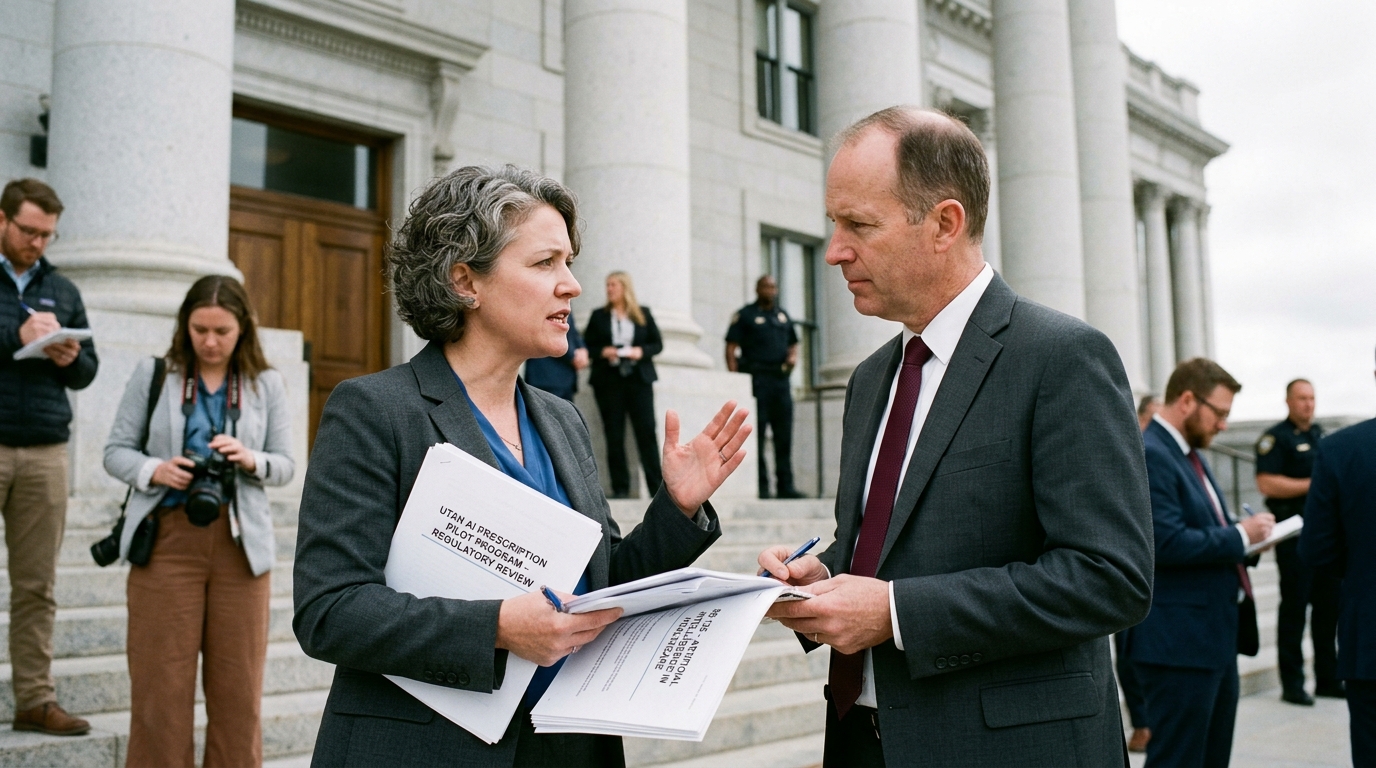
The intersection of technology and medical care has become the epicenter of a fierce debate in Utah, as the state’s Medical Licensing Board officially called for the suspension of a pioneering but controversial pilot program. The initiative, which utilizes artificial intelligence to automatically process and approve prescription refills, was designed to alleviate the administrative burden on physicians. However, regulators are now warning that the pace of innovation has outstripped the safety protocols meant to protect public health.
The Clash of Innovation and Ethics
At the heart of the dispute is the question of whether an algorithm can legally and ethically be considered to be 'practicing medicine.' The Utah pilot was crafted to handle refill requests for chronic conditions where treatment is stable. The promise was simple: less paperwork for doctors and faster service for patients. Yet, the Medical Board argues that the process lacks the essential human judgment required to identify potentially dangerous drug interactions or subtle changes in a patient’s condition that software might overlook.
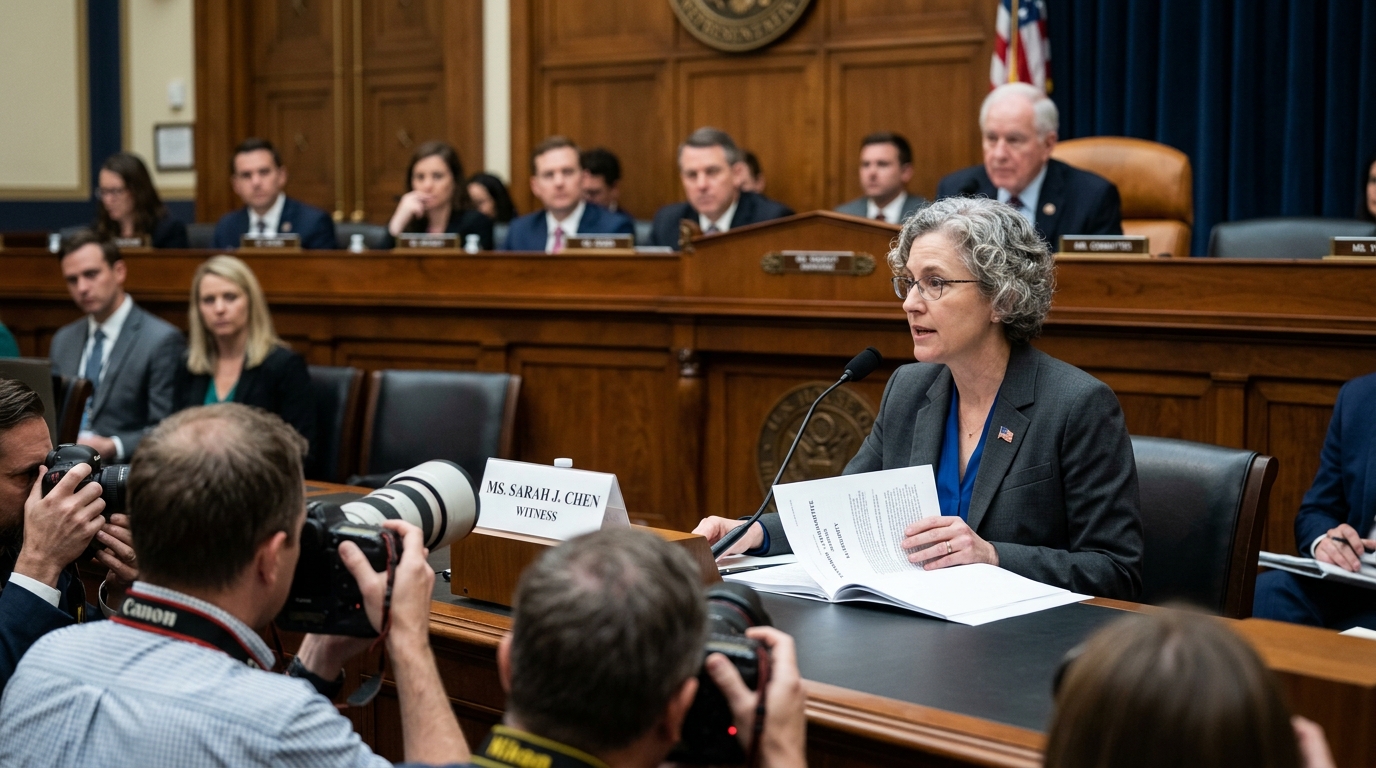
According to minutes from recent meetings, board members expressed deep concern that participating physicians might not even be reviewing the decisions made by the AI. "A prescription is not just an administrative act; it is a clinical decision," one board member stated. This concern reflects a broader skepticism within the medical community regarding the delegation of critical decisions to 'black box' algorithms, whose internal logic is not always transparent to the end-users.
The Burnout Crisis vs. The AI Solution
Conversely, proponents of the program and health-tech companies point to a harsh reality: the physician burnout crisis. Primary care doctors often spend hours every day responding to refill requests, a process many view as rote. AI, they argue, can perform these tasks with greater consistency than an exhausted human, provided it operates within strict parameters.
- Reducing patient wait times from days to mere minutes.
- Automated history checks for contraindications recorded in electronic health records.
- Freeing up clinical time for complex cases requiring in-person examination.
However, the Utah Medical Board remains steadfast. Their position is that the pilot program, as currently implemented, violates medical licensing rules by allowing unlicensed entities—the software—to make decisions that directly impact patient treatment. The suspension they seek is not aimed at banning the technology forever, but at enforcing a framework where the physician maintains final and meaningful oversight.
Legal Implications and the Future of Digital Health
The Utah case is being closely watched by legal experts and regulators worldwide. If an AI makes a mistake and issues the wrong medication, who is liable? Is it the developer, the physician who authorized the system, or the healthcare institution? The lack of clear legislation regarding AI liability in healthcare is one of the largest hurdles to its widespread adoption.
"We cannot allow technology to substitute for medical responsibility in the name of efficiency," the Board's report notes.
In an era where e-health is expanding rapidly, the conflict in Utah highlights the need for a new 'social contract' between technology and medicine. The solution likely lies in hybrid 'human-in-the-loop' models, where AI functions as an assistant rather than a replacement. Until those rules are firmly established, regulators seem determined to pull the emergency brake on experiments conducted directly on the public.