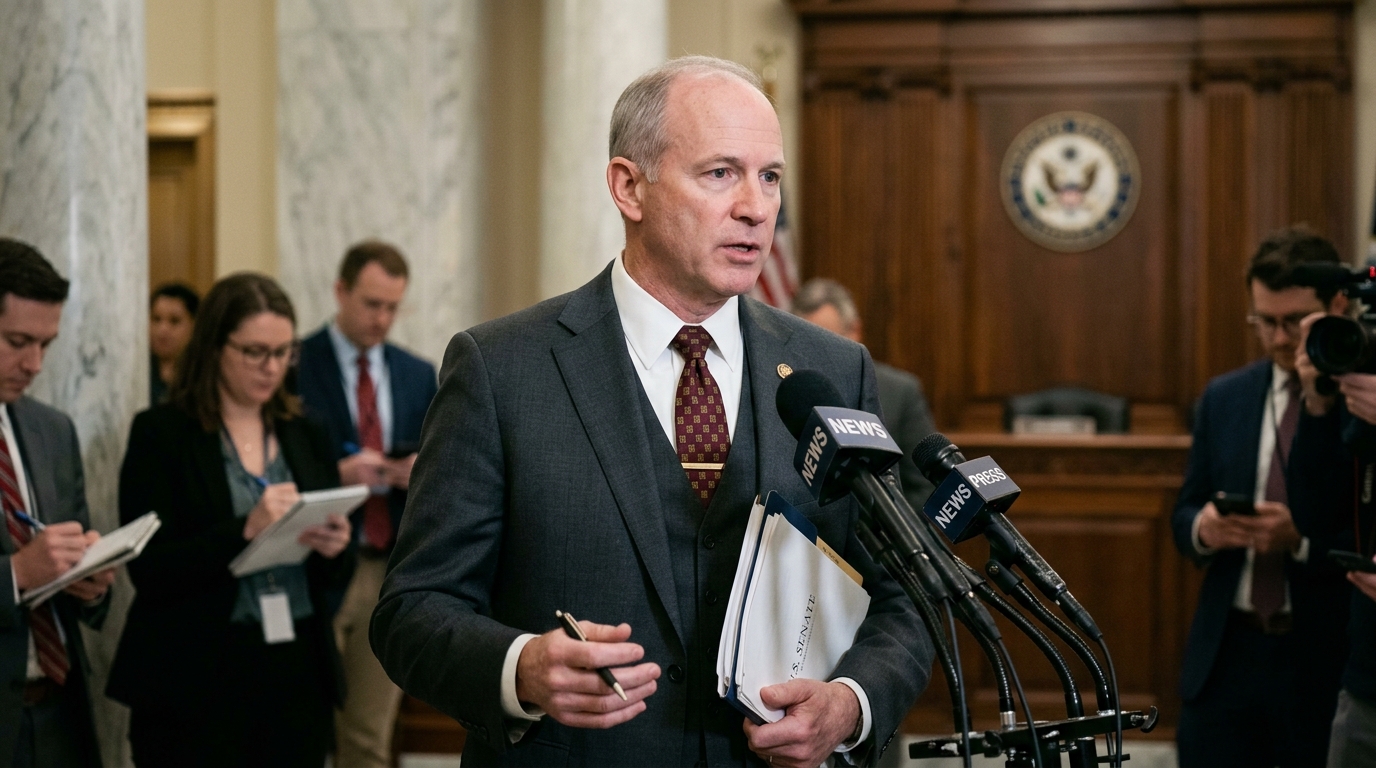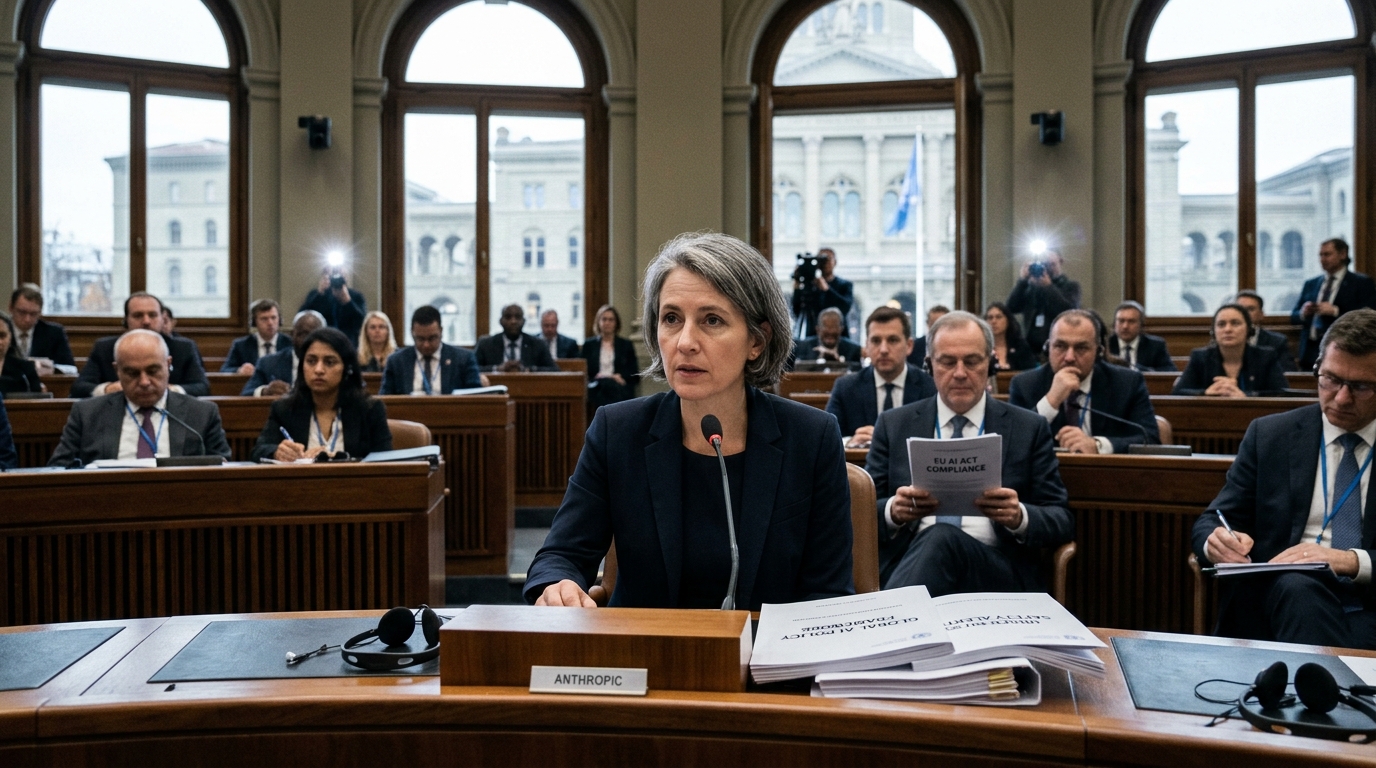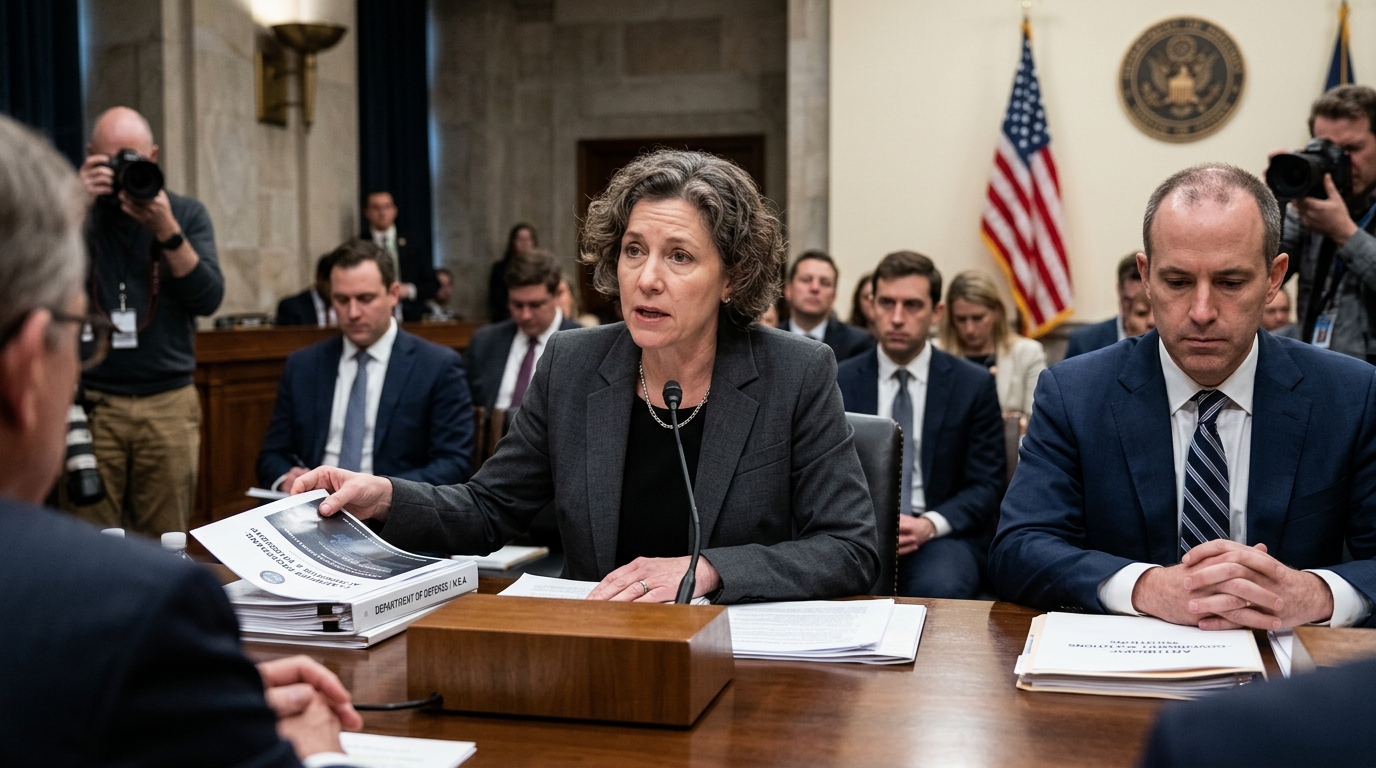
The relationship between Silicon Valley and the Pentagon has historically been a delicate balance of mutual necessity and underlying tension. However, the rise of Anthropic, a company founded on the principles of AI "safety" and "ethics," is bringing a direct confrontation with the U.S. government to the forefront. At the heart of the dispute is the deployment of Claude models within classified programs, where the demands for absolute national sovereignty clash with the company’s desire to maintain its "constitutional" safeguards.
Constitutional AI Under Pressure
Anthropic has built its reputation on the concept of Constitutional AI. This training methodology involves providing the model with a set of principles to self-correct, ensuring it avoids harmful or biased outputs. While this is highly desirable in the commercial sector, within the realm of classified military operations and intelligence gathering, these restrictions are viewed by many in Washington as a strategic liability.
According to sources familiar with the ongoing negotiations, the U.S. government is pushing for access to the model's "weights" and the ability to bypass certain ethical filters that could impede intelligence analysis in combat zones. Anthropic, for its part, fears that such a concession could lead to the weaponization of its technology, transforming a support tool into an autonomous weapon system lacking ethical restraint.
The China Factor and Geopolitical Acceleration
The pressure on Anthropic is not occurring in a vacuum. Washington is closely monitoring China's rapid progress in military AI. Beijing is not bound by ethical frameworks similar to those in the West, creating a profound sense of urgency within the Department of Defense. The friction with Anthropic reflects a broader anxiety: can the democratic West remain competitive if it imposes strict ethical limits on the weapons of the future?
- The necessity for real-time processing of massive datasets.
- The use of AI to predict adversary movements at a tactical level.
- The risk of model "poisoning" by hostile actors.
The U.S. aims to integrate Claude into "air-gapped" networks, where the company would have zero oversight. This lack of control is the ground zero of the disagreement. Anthropic argues that without continuous monitoring of model behavior, the risks of hallucinations or unpredictable actions increase exponentially, potentially leading to catastrophic errors in the field.
The Military-Industrial Complex in the Software Age
Historically, the military-industrial complex was built on hardware—jets, ships, and missiles. Today, power is shifting toward software and algorithms. Companies like Anthropic, OpenAI, and Palantir are the new "national champions." However, unlike traditional defense contractors like Boeing or Lockheed Martin, these tech firms possess a culture that often clashes with military hierarchy and secrecy.
"This isn't just a commercial contract; it's about defining the ethical boundaries of American power in the 21st century," says a senior defense policy analyst.
This rift also highlights a legislative vacuum. While President Biden’s Executive Order on AI laid some groundwork, it did not fully anticipate the depth of the conflict between private ethics and state necessity. The outcome of this standoff will determine whether AI remains a controlled tool or evolves into an unbridled force within state apparatuses.
Conclusion: A Fragile Equilibrium
Anthropic stands at a crossroads. If it yields to government demands, it risks losing its identity as the "safe" alternative in the AI space. If it refuses, it risks being cut off from massive defense budgets and labeled as "uncooperative" on matters of national priority. The resolution will likely involve a middle ground of technical compromises, but the trust between Silicon Valley’s ethical pioneers and Washington’s security establishment has been significantly strained.