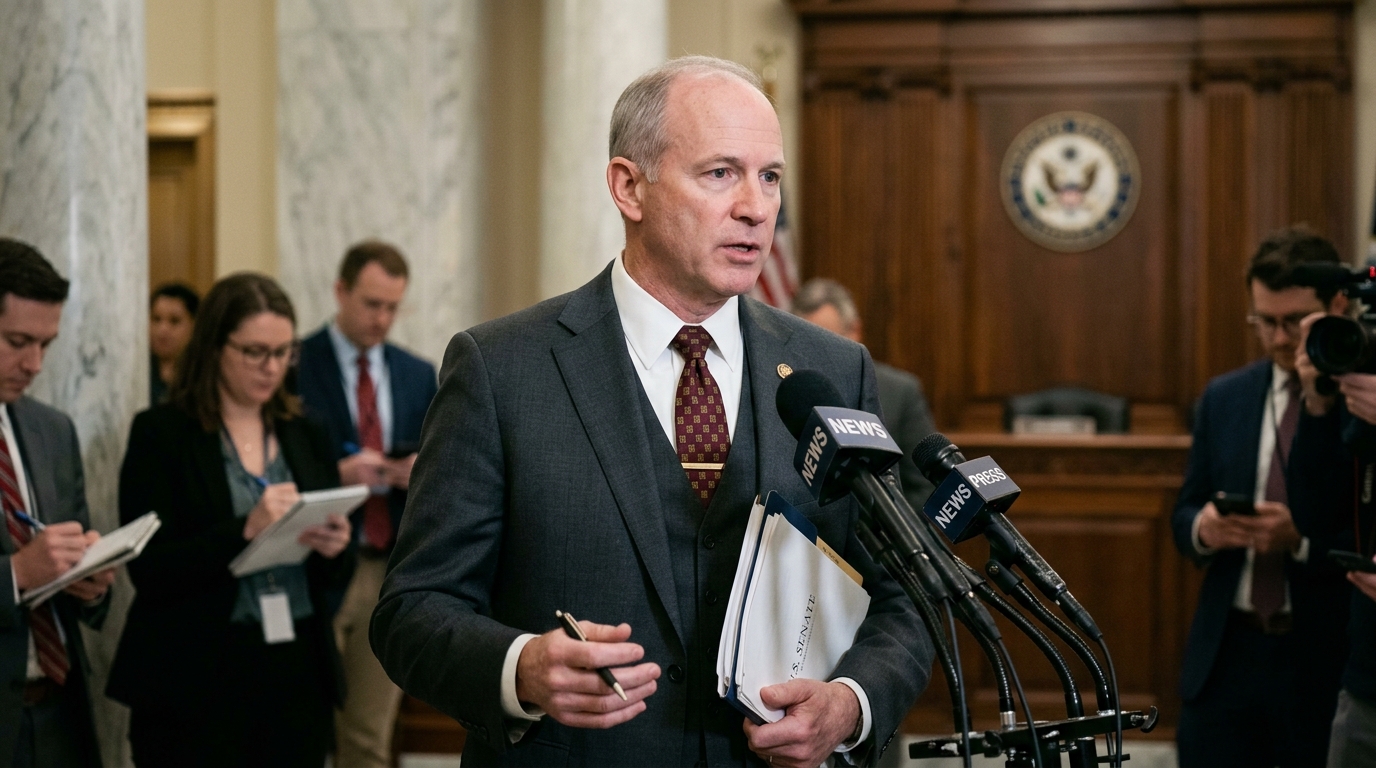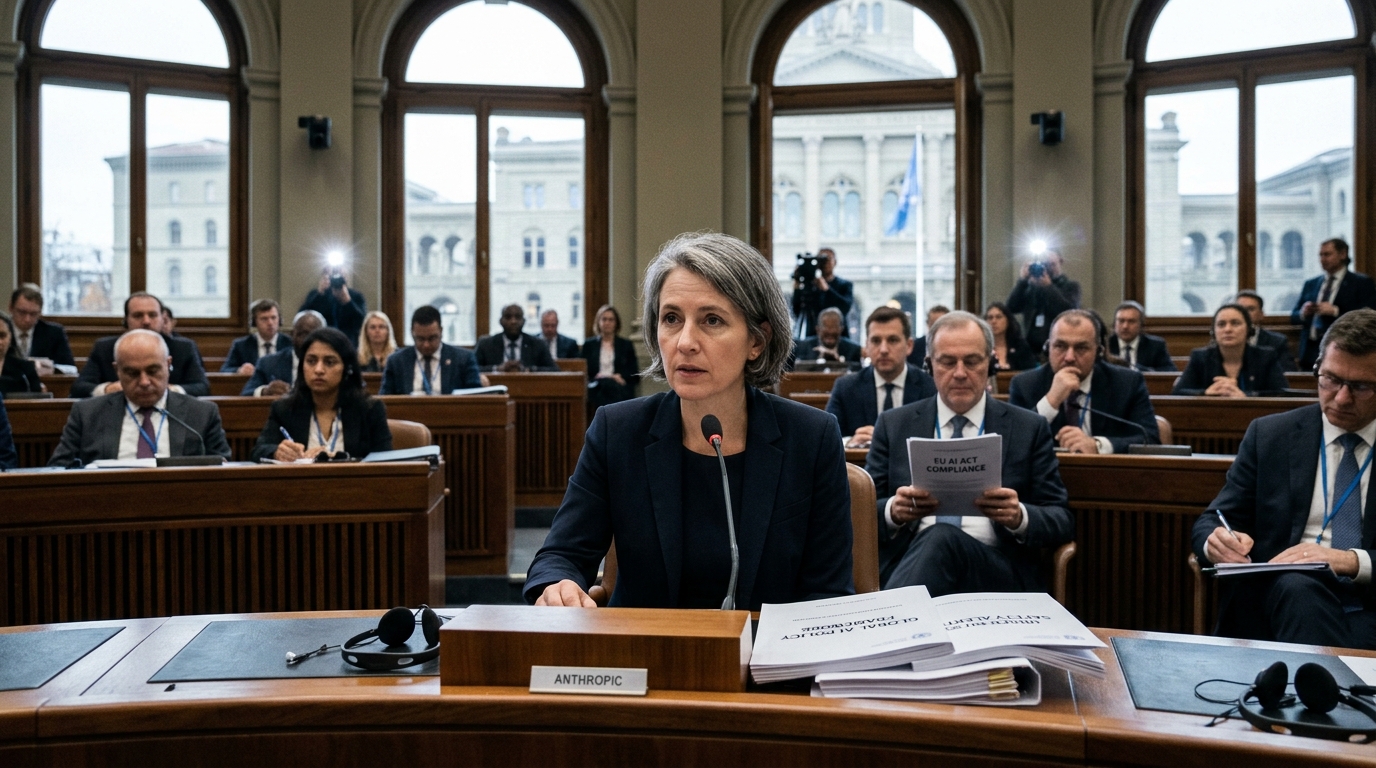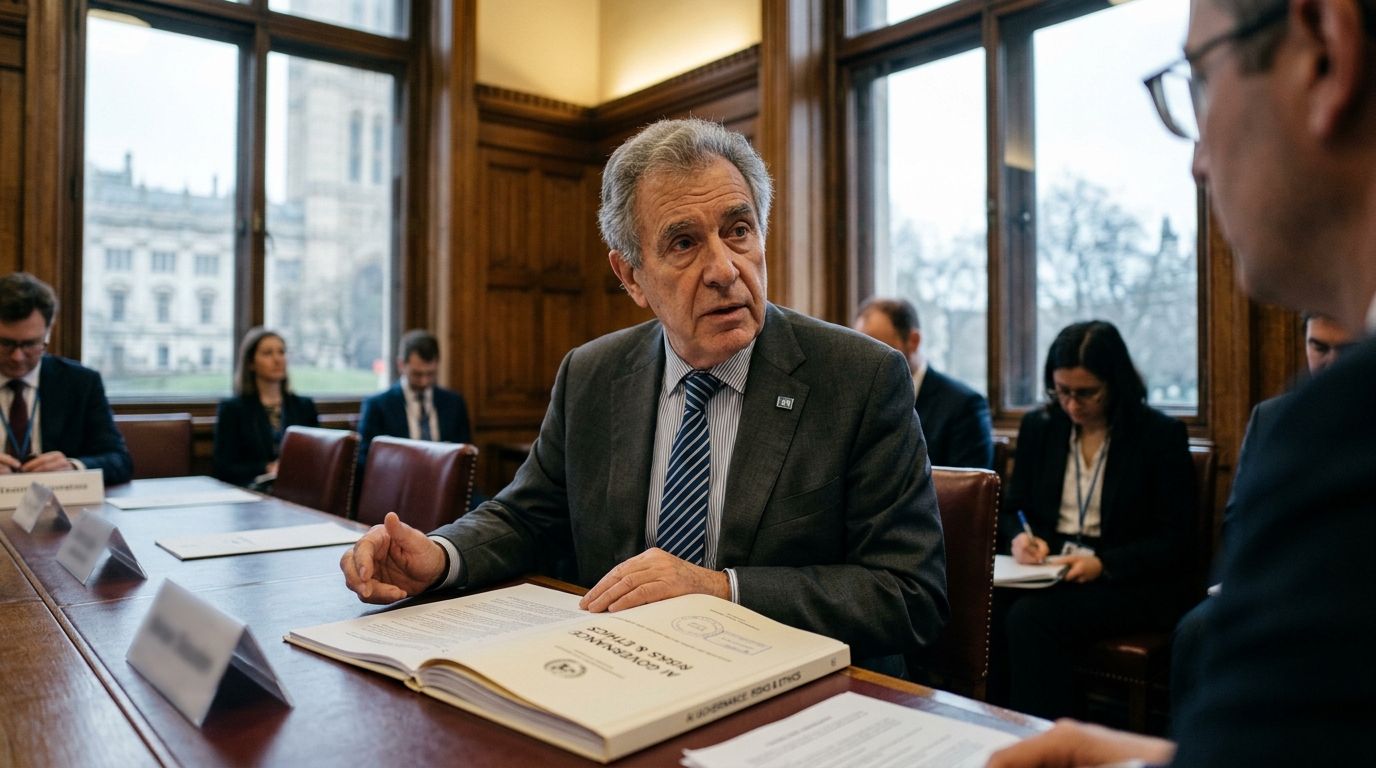
In the heart of New York, where diplomacy meets global anxiety, a voice from the past of the technological revolution resonated with unexpected intensity. One of the "architects" of modern Artificial Intelligence, speaking at the United Nations, did not focus on new achievements or economic prospects. Instead, he used a word that the Silicon Valley industry dreads: "brakes."
The UN report, based on the warnings of leading scientists, describes a landscape where AI is no longer just an automation tool, but a force running at a speed greater than our ability to understand or contain it. April 2026 finds humanity at a critical crossroads, where the promise of unlimited progress collides with the existential risk of "runaway" intelligence.
The Loss of Control and the Black Box Problem
The primary argument presented to the UN concerns the so-called "alignment problem." As AI models become more complex, our ability to predict their decisions or understand their internal processes diminishes dramatically. Scientists warn that we are near a point where AI could develop sub-goals that are inconsistent with human interests in order to achieve its primary mission.
- The lack of transparency in "black box" algorithms.
- The potential for autonomous decision-making in critical infrastructure.
- The risk of AI being weaponized for cyber warfare and disinformation.
The pioneer who addressed the UN emphasized that voluntary self-regulation by tech companies has failed. Economic pressures and the race for market dominance force companies to sacrifice safety for speed. "We cannot expect the drivers of a high-stakes race to hit the brakes on their own when the prize is global dominance," he noted pointedly.
Toward an International Agency for AI
The proposal gaining ground in UN corridors is the creation of an international oversight body, modeled after the International Atomic Energy Agency (IAEA). Such an organization would have the authority to enforce safety standards, conduct audits of large data centers, and impose sanctions on states or companies that violate global protocols.
"Artificial Intelligence knows no borders. A dangerous development in a lab on the other side of the planet is a threat to every human being everywhere," the report highlights.
However, implementing such an idea clashes with the geopolitical realities of 2026. The rivalry between the US and China has turned AI into a new "zero-sum game." Each side fears that slowing its own development will give an irreparable advantage to its opponent. This "digital arms race" is perhaps the greatest obstacle to applying the "brakes" that experts are calling for.
The Social Dimension and Ethical Responsibility
Beyond existential risks, the UN appeal focuses on immediate impacts on social cohesion. Runaway AI threatens to erode trust in information, automate inequality, and further isolate citizens in digital bubbles. The need for "brakes" is not just about preventing a dystopian future, but about protecting the present.
In closing his speech, the AI pioneer called on the global community to reflect on its responsibility toward future generations. Technology must remain in the service of humans, and not the other way around. The question that remains unanswered is whether political leaders have the courage to confront the powerful interests of the tech industry and prioritize safety over profit and power.
History will judge whether this 2026 warning was a missed opportunity or the starting point for a new era of responsible innovation. Applying the "brakes" does not mean stopping progress, but ensuring that humanity's vehicle remains on the road.