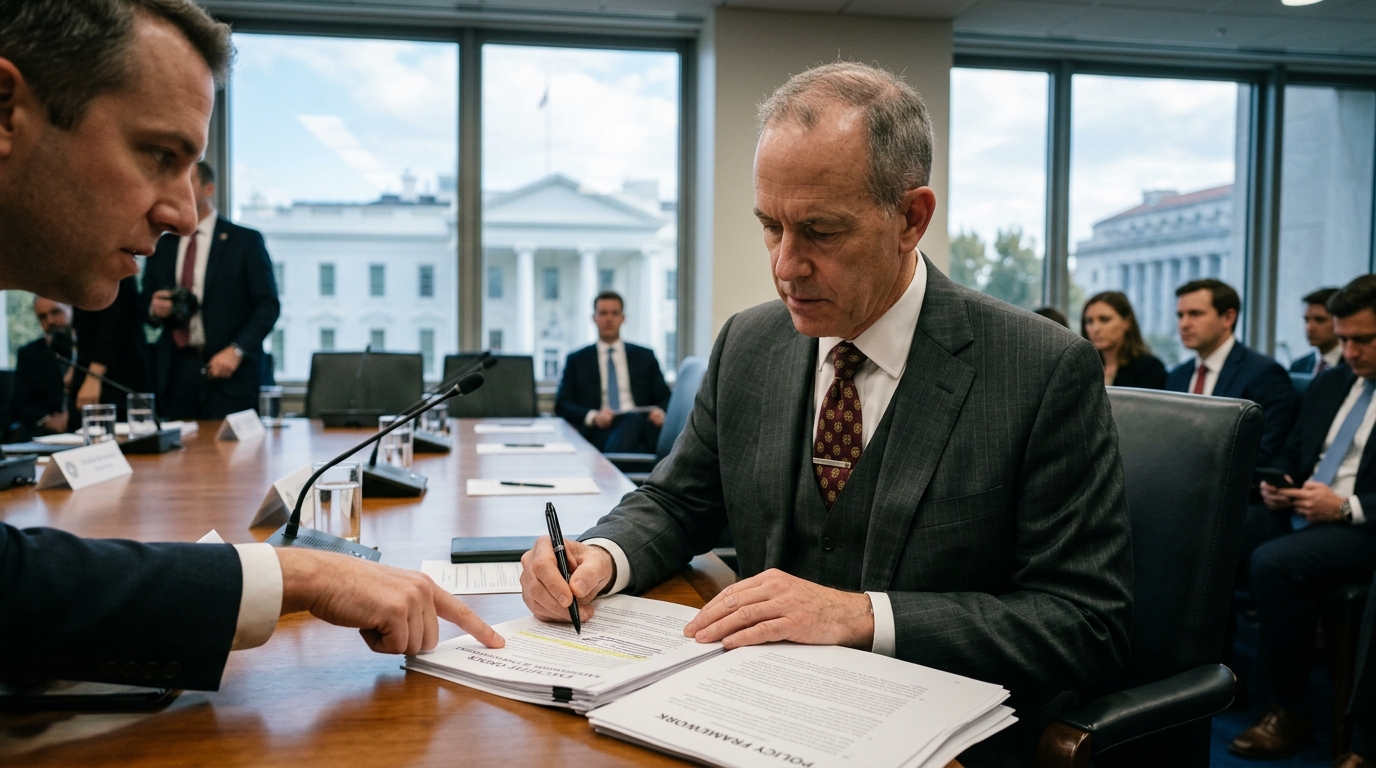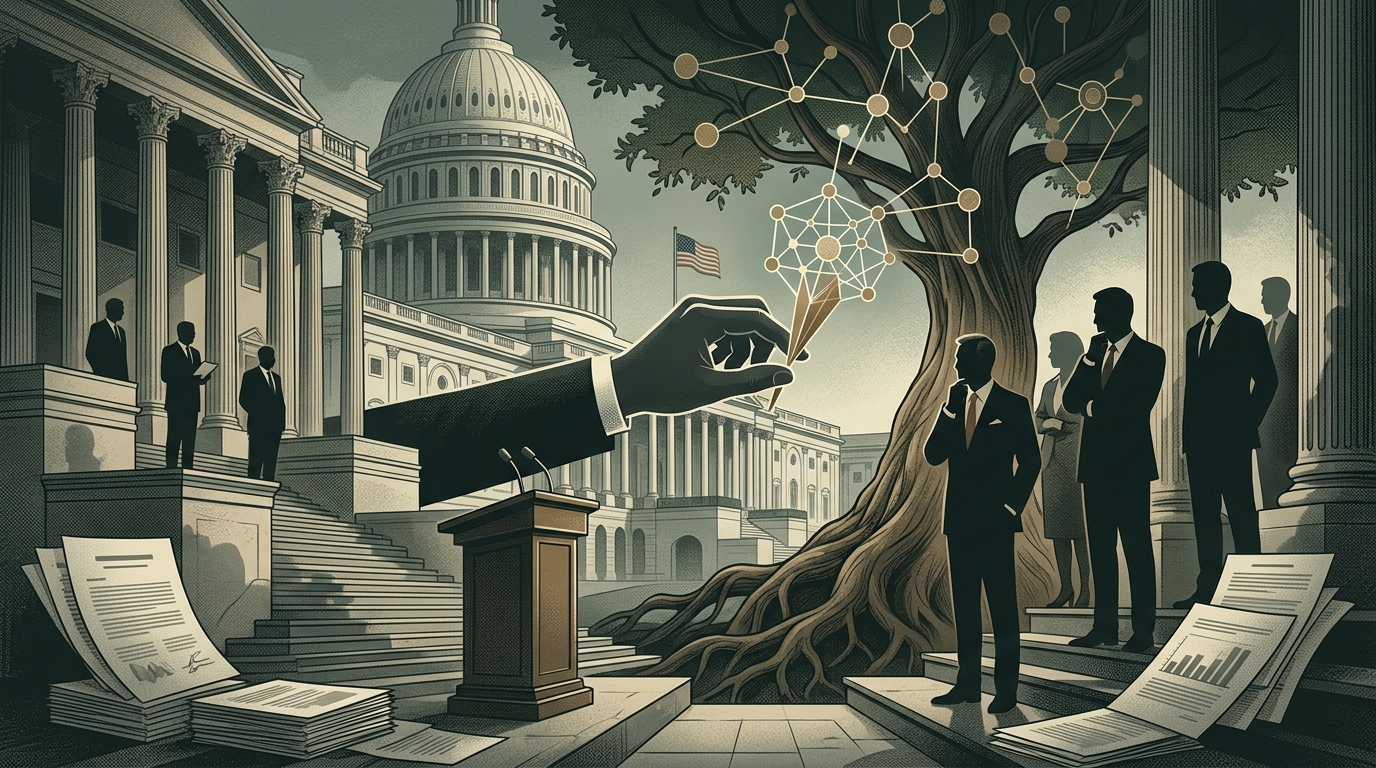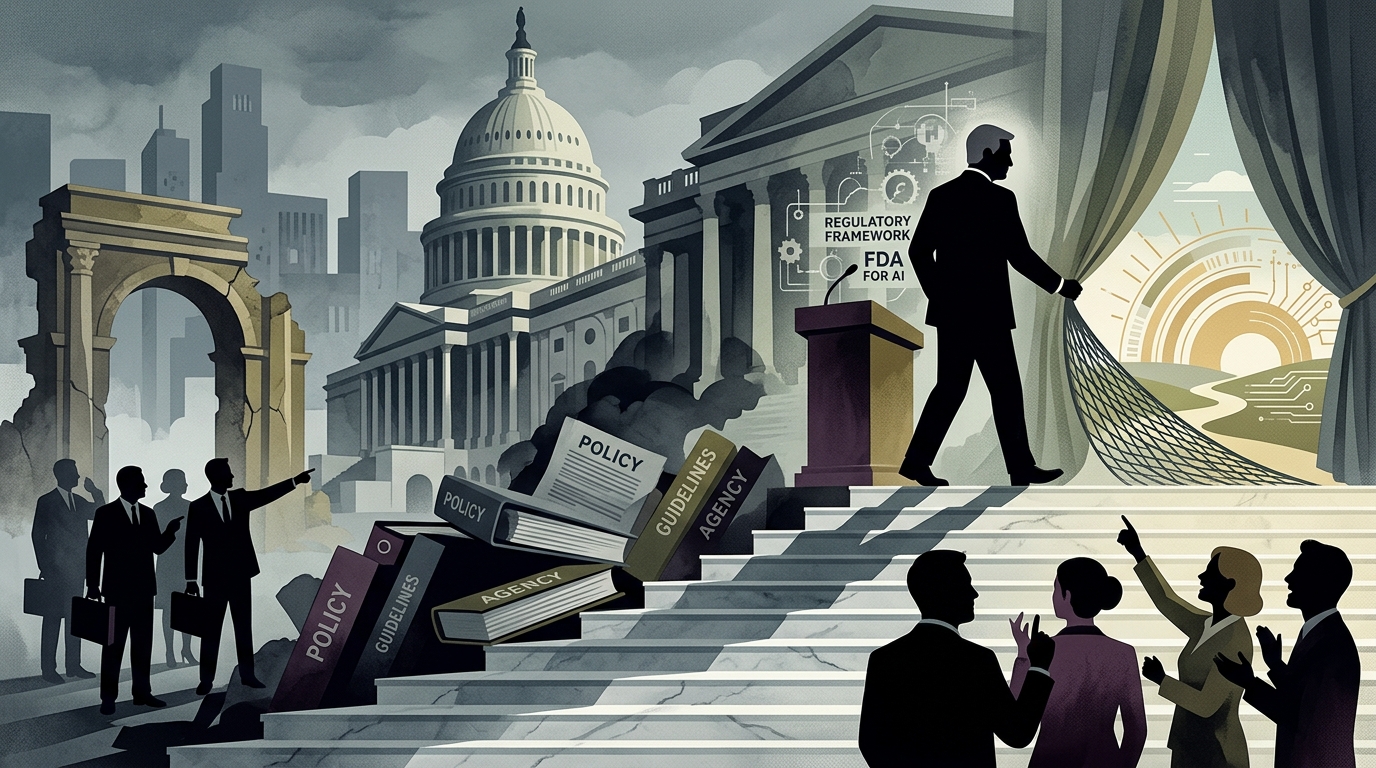
In a move that fundamentally reshapes the global technological landscape, Donald Trump has officially abandoned the proposal to create a federal agency modeled after the FDA for Artificial Intelligence. This decision, standing in stark contrast to the previous Biden administration's efforts toward strict oversight and licensing of large-scale AI models, signals a pivot toward total deregulation. Sources close to the White House suggest the logic behind this shift is the firm belief that excessive bureaucracy could 'strangle' American innovation, handing a critical advantage to China.
The End of the ‘Licensing Model’
The concept of an 'FDA for AI' gained significant traction in 2023 and 2024, with advocates even among Silicon Valley leadership, such as OpenAI’s Sam Altman. The proposal envisioned a system where companies would need to obtain government licenses before releasing powerful AI models, ensuring they met specific safety and ethical criteria. However, critics of this approach—including many proponents of the open-source movement—argued that such a system would lead to 'regulatory capture,' where only tech giants could afford the costs of compliance, effectively locking out smaller competitors.
By scrapping this proposal, the Trump administration is sending a clear message: the responsibility for safety is being shifted back to the companies themselves and the free market. This strategy is rooted in the conviction that competition will force companies to self-regulate, while the state will only intervene in matters of national security or clear violations of existing laws.
The Geopolitical Chessboard and the Race with China
Central to this decision is the escalating competition with Beijing. Washington appears to be adopting the doctrine that 'the best defense is a good offense.' Instead of constraining AI development with regulatory hurdles, the U.S. is choosing to accelerate. The repeal of Biden’s Executive Order on AI, which Trump has characterized as 'dangerous for free speech' and a hindrance to growth, is the first step in this broader agenda.
- Bolstering Open Source: The new policy seems to favor open-source models, viewed as vital for maintaining American dominance and preventing a monopoly on intelligence.
- Reducing Compliance Costs: Startups are being relieved of the burden of preemptive government audits and 'safety' benchmarks.
- Focus on Infrastructure: The emphasis is shifting from regulating software to securing the physical prerequisites of AI: energy and semiconductors.
Risks and Repercussions
“Abandoning regulatory oversight for a technology that could redefine humanity is a risk that we may pay for dearly in the future,” claim digital rights advocacy groups.
Despite the market's enthusiasm, there are deep concerns regarding what this 'Wild West' of AI means for disinformation, privacy, and infrastructure security. Without a central oversight body, addressing risks such as AI-assisted bio-weapon development or mass public manipulation relies almost entirely on the goodwill of tech billionaires. The European Union, with its stringent AI Act, is now on a collision course with the U.S., creating a regulatory chasm that will force multinationals to either pick a side or operate under two vastly different sets of rules.