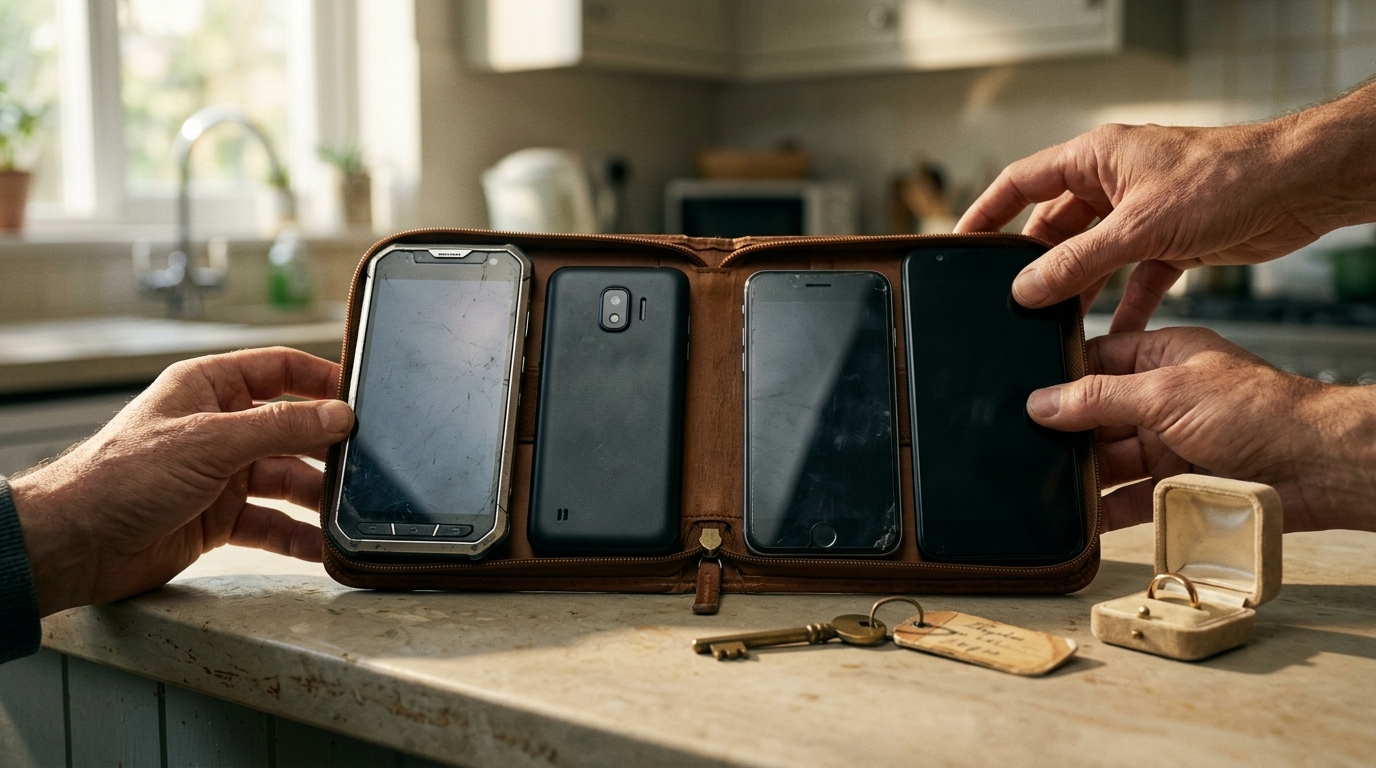
For the average American consumer, choosing a smartphone is a simple, almost binary process: iPhone or Samsung? This apparent simplicity, however, masks a deeper and more troubling reality. The United States market, once the beacon of technological leadership, has transformed into an isolated "walled garden" where a lack of genuine competition has led to a prolonged period of technological stagnation. While users in Europe and Asia enjoy devices with revolutionary charging speeds, one-inch camera sensors, and daring foldable designs, Americans are limited to incremental, almost imperceptible upgrades.
The Duopoly Dictatorship and Stagnation
The dominance of Apple and Samsung in the US is not merely a result of consumer preference, but the product of a complex system of entry barriers. With Apple holding over 50% of the market and Samsung following closely, the space for third-party players is minimal. Google, despite its efforts with the Pixel series, remains a distant third, while historic brands like LG have exited the market entirely. This lack of pressure allows market leaders to "rest on their laurels." When there is no risk of losing market share to a competitor offering 120W charging, why invest in upgrading from 25W or 45W? The result is a market where innovation happens at a snail's pace, focused more on marketing and less on substantive technological breakthroughs.
The Role of Carriers as Gatekeepers
One of the primary reasons for this isolation is the unique US distribution system. Unlike most countries, where consumers buy devices directly from retailers, in the US, mobile carriers (Verizon, AT&T, T-Mobile) control the vast majority of sales through subsidized plans and installment contracts. These carriers act as gatekeepers. For a new company to enter the market, it must negotiate hard with carriers, comply with strict software requirements, and guarantee massive inventory. For Chinese companies like Xiaomi, Oppo, or Vivo, this wall is almost impenetrable, especially considering the current political climate.
"The American smartphone market is not a free market; it is a curated showroom where choices are pre-approved by three major telecom companies and two manufacturers."
Geopolitics and the 'Chinese Boogeyman'
We cannot discuss the US market without mentioning geopolitics. The Huawei ban was the first and loudest blow, but its impact spread across the entire ecosystem. Fears of Chinese espionage and trade tariffs have created a hostile environment for any device originating from the East. However, this protectionist policy has an ironic side effect: by shielding the domestic market from the "Chinese threat," the US has simultaneously cut off its citizens from the most exciting developments in hardware. While Xiaomi unveils cameras that rival professional DSLRs and Honor launches foldables thinner than an iPhone, Americans are debating whether the new Titanium frame of the iPhone 15 Pro is actually lighter.
The Price of Entrapment
The end result of this situation is that the American consumer pays more for less. The lack of competition in pricing and features means flagship prices remain artificially high, while innovations that should be standard—such as ultra-fast charging or advanced periscope lenses—are treated as "luxuries" or simply ignored. The recent US Department of Justice lawsuit against Apple for monopolistic practices is a sign that the government is beginning to recognize the problem, but the solution will not be easy. As long as carriers control the network and consumers remain tethered to ecosystems (iMessage, iCloud), America will continue to be the "backyard" of global smartphone technology, despite its economic might.