In an era where Artificial Intelligence (AI) is no longer a distant threat but a daily economic reality, Rishi Sunak has made a proposal that ripples through the foundations of global economic policy. The former UK Prime Minister, speaking at an international policy forum, argued that the only way to keep human workers viable in an algorithm-dominated world is to drastically reduce, or even eliminate, the taxes that burden human employment.
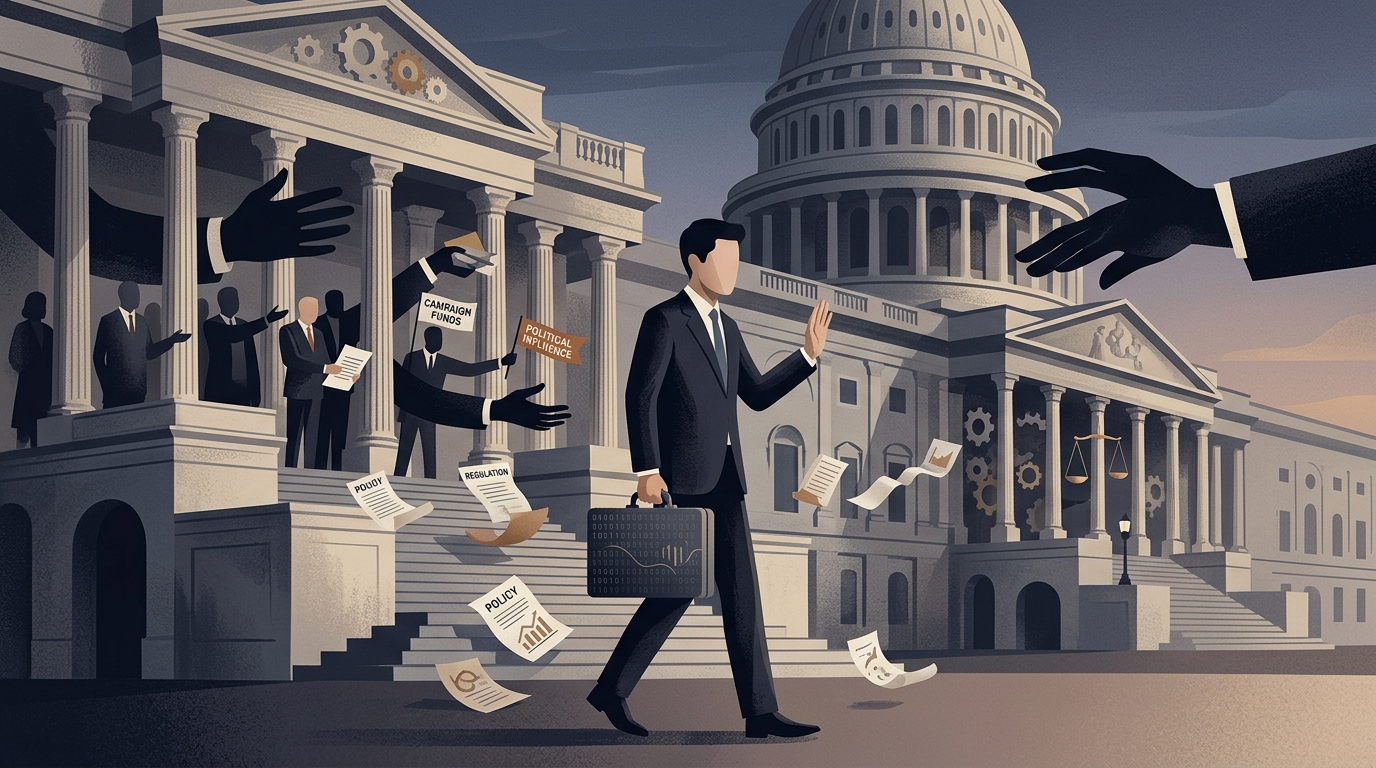
Sunak’s logic is rooted in a stark economic observation: businesses today operate on an uneven playing field. Hiring a human entails National Insurance contributions, payroll taxes, and significant administrative overhead. Conversely, deploying an AI system involves only licensing fees and compute costs, with zero tax contribution to the state’s social fabric. This "tax wedge" makes humans structurally more expensive than machines, incentivizing automation not just for efficiency, but for pure cost-cutting.
The Productivity Paradox and the Tax Wedge
Sunak contends that the current fiscal framework, which relies heavily on labor to fund the welfare state, is a relic of the Industrial Revolution and cannot survive the digital age. "If we continue to tax labor more than capital or technology, we are effectively subsidizing the replacement of humans with robots," he stated. His proposal involves the phased abolition of employer-side payroll taxes, aiming to lower the total cost of ownership for a human employee, thereby making them more competitive against AI models.
However, this proposal opens a Pandora’s box for public finances. Labor taxes are the backbone of revenue for the National Health Service (NHS) and state pensions in the UK, much like in the rest of Europe. Eliminating them would require a radical overhaul of the tax code, shifting the burden perhaps to wealth, consumption, or a controversial "AI tax."
Market Reactions and Union Concerns
Reactions to Sunak’s proposal have been polarized. Business groups have welcomed the idea of lowering labor costs, arguing it would free up capital for investment and prevent mass layoffs. Conversely, labor unions have expressed deep skepticism. They argue that slashing jobs taxes could lead to a gutting of social services, leaving workers even more vulnerable in a volatile job market.
- Who will fill the massive hole in public revenue?
- Will tax cuts lead to higher wages or simply higher corporate dividends?
- Is AI truly a substitute for labor, or a tool that requires human oversight?
Sunak’s analysis points out that AI is no longer just replacing manual labor; it is now encroaching on high-paying roles in law, programming, and financial analysis. At these salary levels, the cumulative tax burden is even more pronounced, making automation an irresistible economic choice for multinational corporations looking to optimize their bottom line.
Toward a New Social Contract?
The debate ignited by Sunak is not just about fiscal policy; it is about the very nature of work in the 21st century. If labor ceases to be the primary source of tax revenue, the state must find new ways to redistribute the wealth generated by AI. Some analysts suggest that instead of cutting labor taxes, governments should implement a "robot tax," ensuring that AI-driven productivity gains fund a Universal Basic Income (UBI) for those displaced by technology.
Sunak, however, dismisses this approach as "anti-innovation." His vision is more market-oriented: make the human being cheaper for the enterprise so that human judgment, empathy, and creativity can remain in the loop. The question remains whether such a move is sufficient to stem the tide of automation or if it merely delays the inevitable while starving public services of much-needed funding.
"We cannot stop technological progress, but we can stop subsidizing its victory over our own citizens through an archaic tax system," Sunak concluded.