Against the majestic backdrop of the Delphi Economic Forum, the Governor of the Bank of Greece, Yannis Stournaras, addressed the core issues facing the Greek economy. In a speech that could be described as a modern "roadmap" for the next decade, Mr. Stournaras emphasized that stability and growth are not guaranteed but are the products of a rigorous triad: education, investments, and deep structural reforms.
The Productivity Trap and the Investment Gap
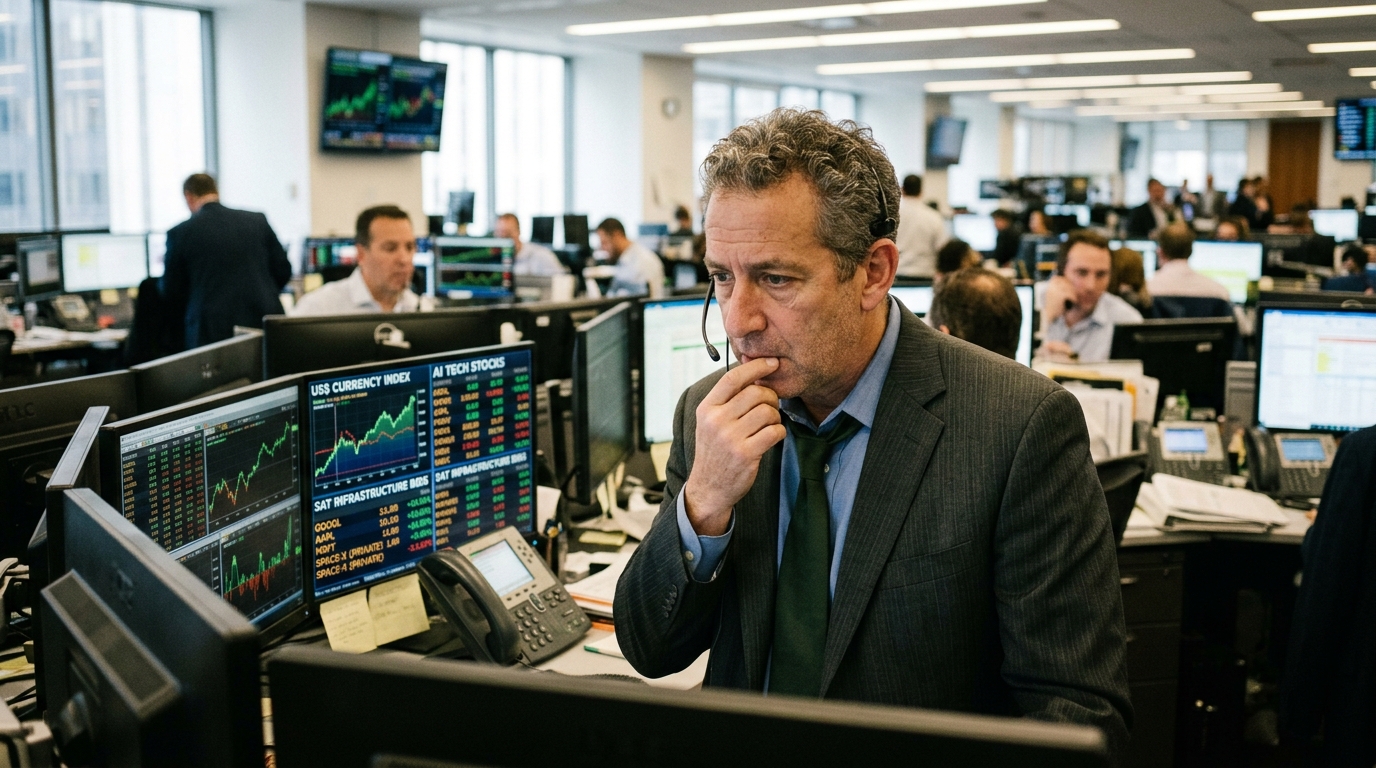
Mr. Stournaras began his analysis by focusing on the "investment gap" that continues to plague Greece despite the recovery of its investment grade status. Although the country's growth rates exceed the Eurozone average, labor productivity remains at levels that do not allow for full convergence with the advanced economies of the North. According to the Governor, Greece must transition from a consumption-based model to one driven by exports and fixed capital investment.
- The need to increase Foreign Direct Investment (FDI) in high-value-added sectors.
- Strengthening the outward orientation of small and medium-sized enterprises (SMEs) through mergers and collaborations.
- Leveraging Recovery and Resilience Facility (RRF) funds with an emphasis on the green and digital transition.
Mr. Stournaras stressed that Artificial Intelligence and digitalization are no longer luxuries but prerequisites for survival. Integrating these technologies into the production process can bridge the productivity gap, provided it is accompanied by a properly trained workforce.
Education as an Economic Engine
Perhaps the most resonant message of his speech was the link between education and economic prosperity. The Governor argued that the educational system must be radically reformed to meet the demands of the 4th Industrial Revolution. "We don't just need graduates; we need citizens with skills that the labor market desperately seeks," he noted.
The shortage of specialized personnel in fields such as IT, engineering, and sustainable energy acts as a brake on investment. Mr. Stournaras proposed closer cooperation between universities and the private sector, strengthening technical education, and promoting lifelong learning (reskilling and upskilling). Investing in human capital is, in his view, the only investment with a guaranteed and high long-term return.
Structural Reforms and the Rule of Law
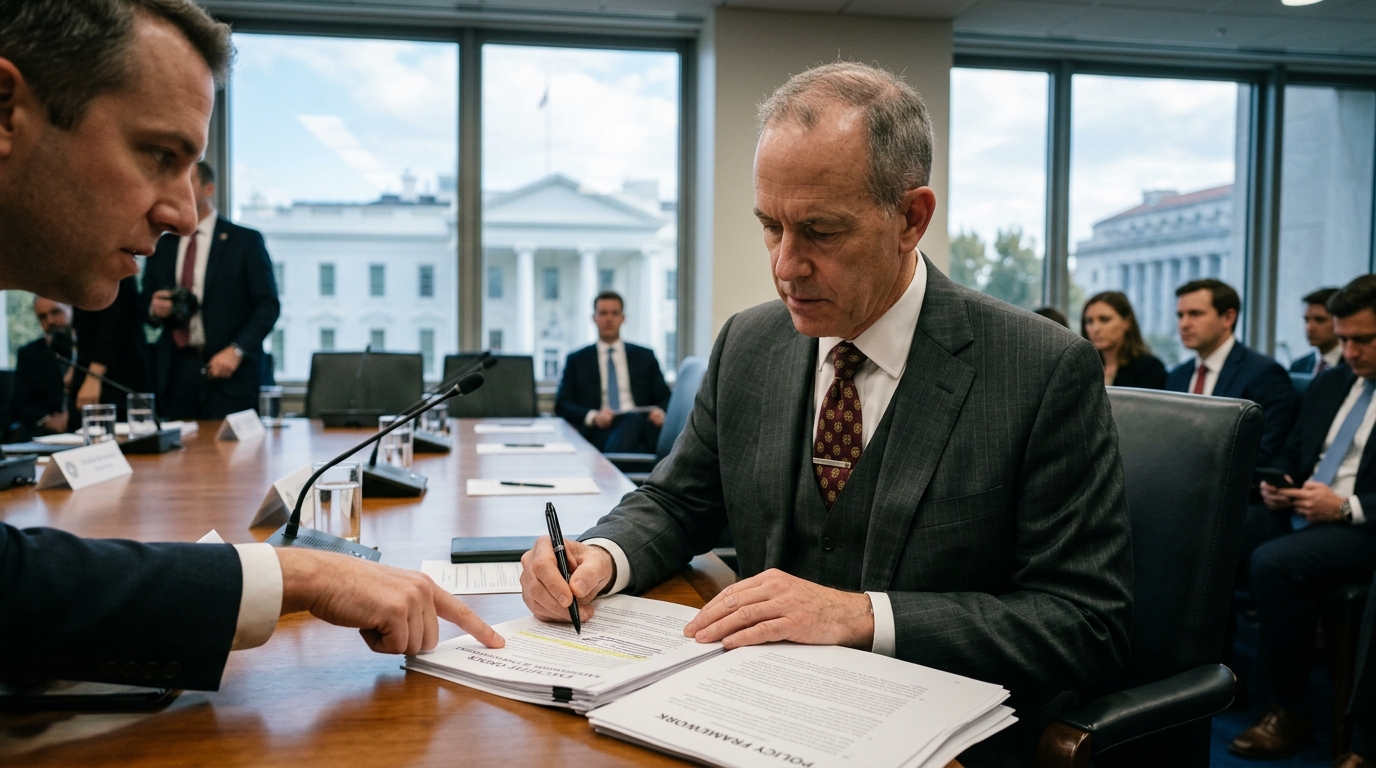
In the third part of his intervention, Mr. Stournaras referred to institutional reforms, with a particular emphasis on the speed of the justice system. Delays in court decisions are one of the biggest obstacles for foreign investors, as they create an environment of legal uncertainty. Furthermore, combating bureaucracy through further digitalization of the state remains a top priority.
"Economic growth cannot be sustainable if it is not supported by strong institutions and a state that operates with transparency and efficiency," the Governor stated.
Mr. Stournaras concluded his speech with a warning: complacency is the greatest enemy. Despite progress, geopolitical uncertainties and the climate crisis require constant vigilance and fiscal discipline. Greece has a historic opportunity to turn the page, but this requires political will and social consensus for the necessary breakthroughs.
The Challenge of Artificial Intelligence
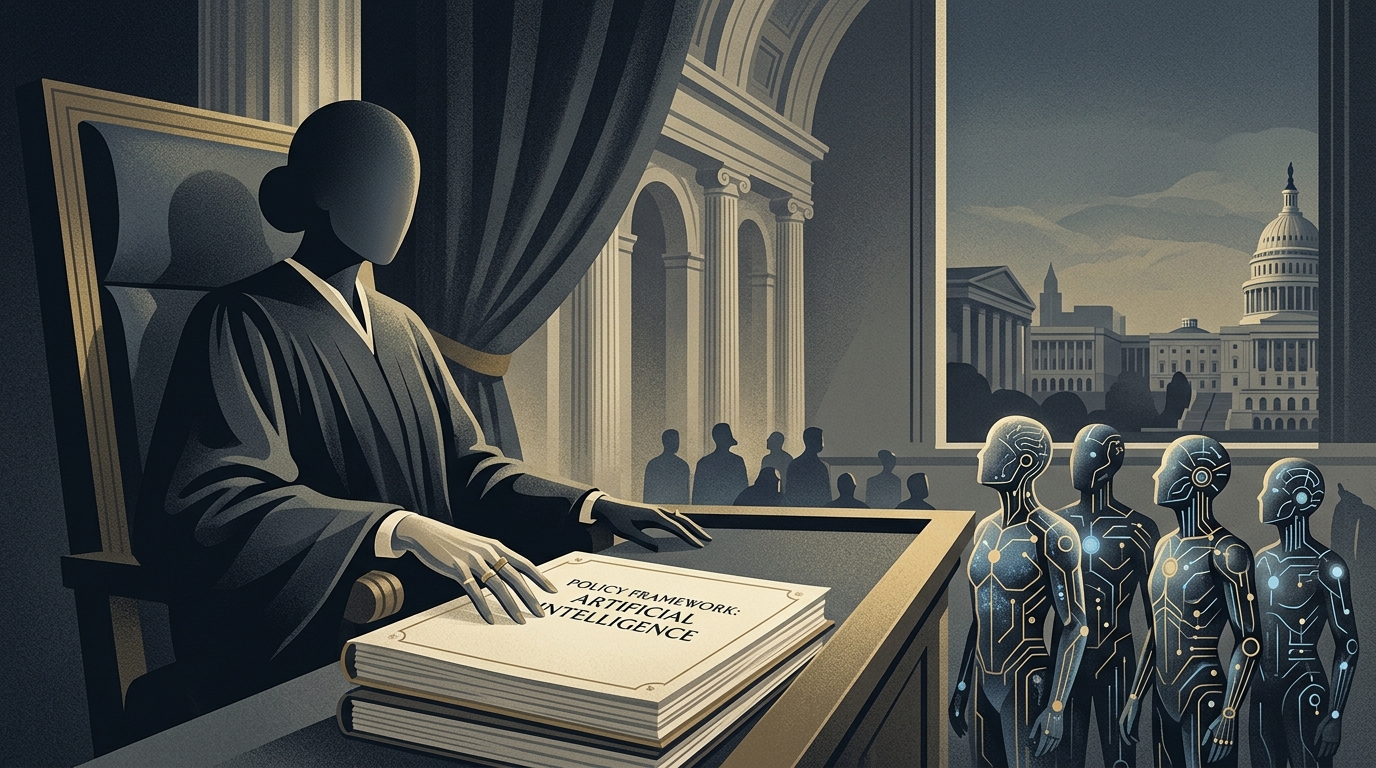
Further analyzing the role of technology, Mr. Stournaras noted that Greece is at a crossroads. Artificial Intelligence can act as an accelerator for public administration, reducing costs and improving citizen service. However, this requires a "digital ethics" and a framework that ensures the fruits of technological progress are distributed throughout society and do not widen inequalities.
In conclusion, Yannis Stournaras's presence at Delphi served as a reminder that the economy is not just about numbers, but primarily about people and their institutions. The challenge for the Greek government and society is to turn these observations into actions before the window of opportunity provided by European funds closes.