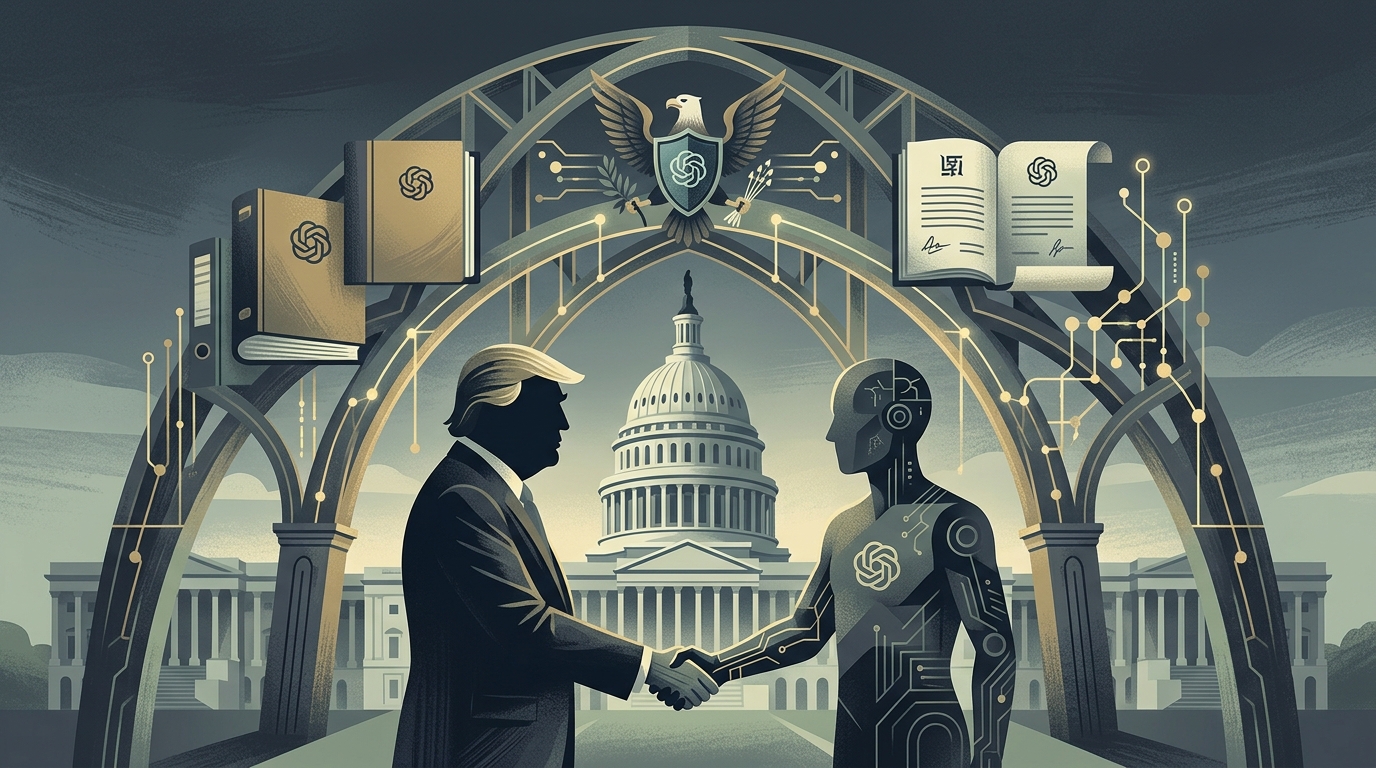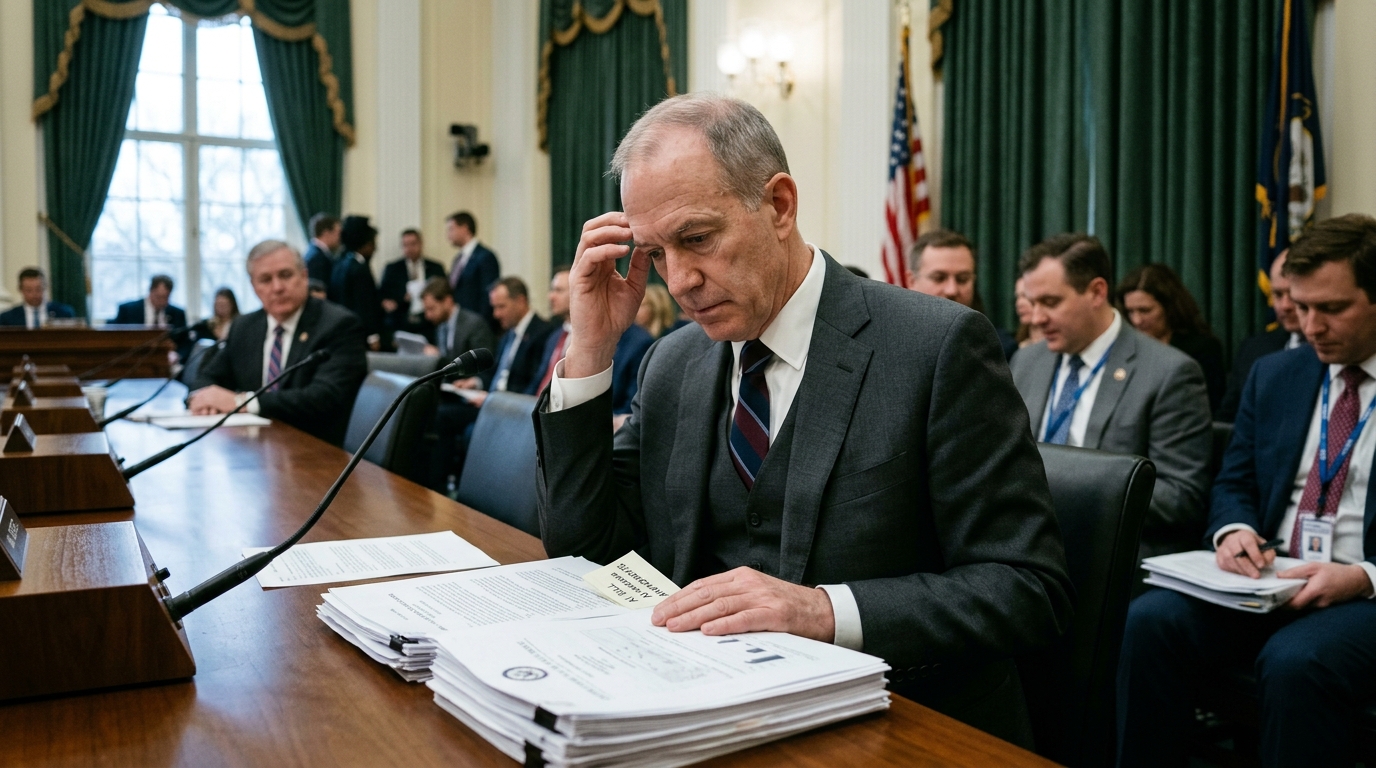
Washington is currently engulfed in a fever of legislative activity reminiscent of the early days of internet regulation, but with significantly higher stakes. As we navigate through May 2026, the U.S. Senate has become a battlefield of intense debate as lawmakers strive to finalize a landmark bill on Artificial Intelligence (AI). The discussion is no longer about whether to regulate, but how to do so without strangling American primacy against global competitors, most notably China.
The Clash of Philosophies: Innovation vs. Safety
At the heart of the debate lies a fundamental disagreement between two camps. On one side, a group of senators, backed by Silicon Valley giants, argues that stringent restrictions could lead to a 'brain drain' and the migration of research to more lenient jurisdictions. They contend that AI is the engine of future economic growth and that any premature bureaucratic intervention would be catastrophic for the nation's GDP and technological edge.
Conversely, a bipartisan coalition expresses deep concerns regarding existential risks and immediate societal impacts. These lawmakers focus on algorithmic transparency, copyright protection, and preventing AI from being used to engineer biological weapons or execute large-scale cyberattacks. "We cannot allow technology to move at the speed of light while our laws move at the speed of a horse and buggy," remarked one of the bill's primary sponsors during a floor session.
Deepfakes and the Integrity of Democracy
One of the most thorny issues in the bill is the handling of deepfakes. With the midterm elections looming, the capacity of generative AI to create hyper-realistic yet fraudulent video and audio content is viewed as a direct threat to the democratic process. The proposed legislation includes strict requirements for digital watermarking of all AI-generated content, alongside heavy penalties for platforms that fail to remove malicious deceptive content promptly.
- Mandatory watermarking for all AI-generated media.
- Liability for model providers if their tools are used in criminal activities.
- Creation of a new federal agency for AI oversight.
However, critics of the measure point out that watermarking technology is still easily bypassed by sophisticated actors, potentially rendering the law unenforceable in practice. The debate has also expanded to the issue of 'civil liability' for model developers (LLMs), with some senators calling for the removal of the immunity traditionally enjoyed by tech platforms under Section 230-style frameworks.
Geopolitics and the Race Against China
Perhaps the most persuasive argument against strict regulation is the competition with Beijing. Many senators fear that if the U.S. sets the bar too high, China—which is investing billions in state-controlled AI—will seize the lead in setting global standards. The bill attempts to balance this threat by introducing 'regulatory sandboxes,' where companies can experiment with new technologies under government supervision without the fear of immediate legal repercussions.
"Artificial Intelligence is the new nuclear weapon, but unlike nuclear assets, anyone can develop it in a garage. Regulation isn't an option; it's a survival necessity," stated a senior member of the Intelligence Committee.
In conclusion, the battle in the Senate is a fight for the soul of the next industrial revolution. The outcome of this legislative initiative will determine not only the future of Silicon Valley but also how our societies will interact with machine intelligence for decades to come. The challenge remains: how to build guardrails without building walls against progress.