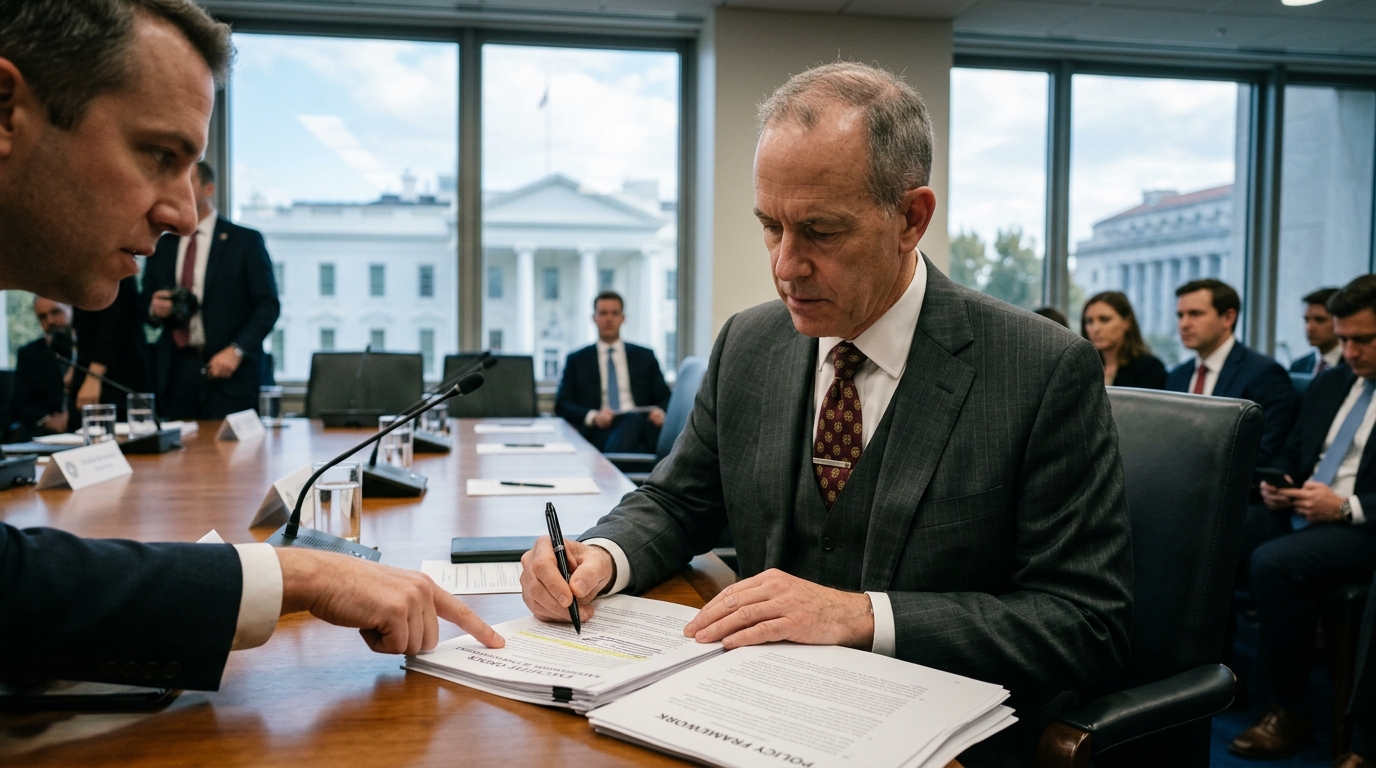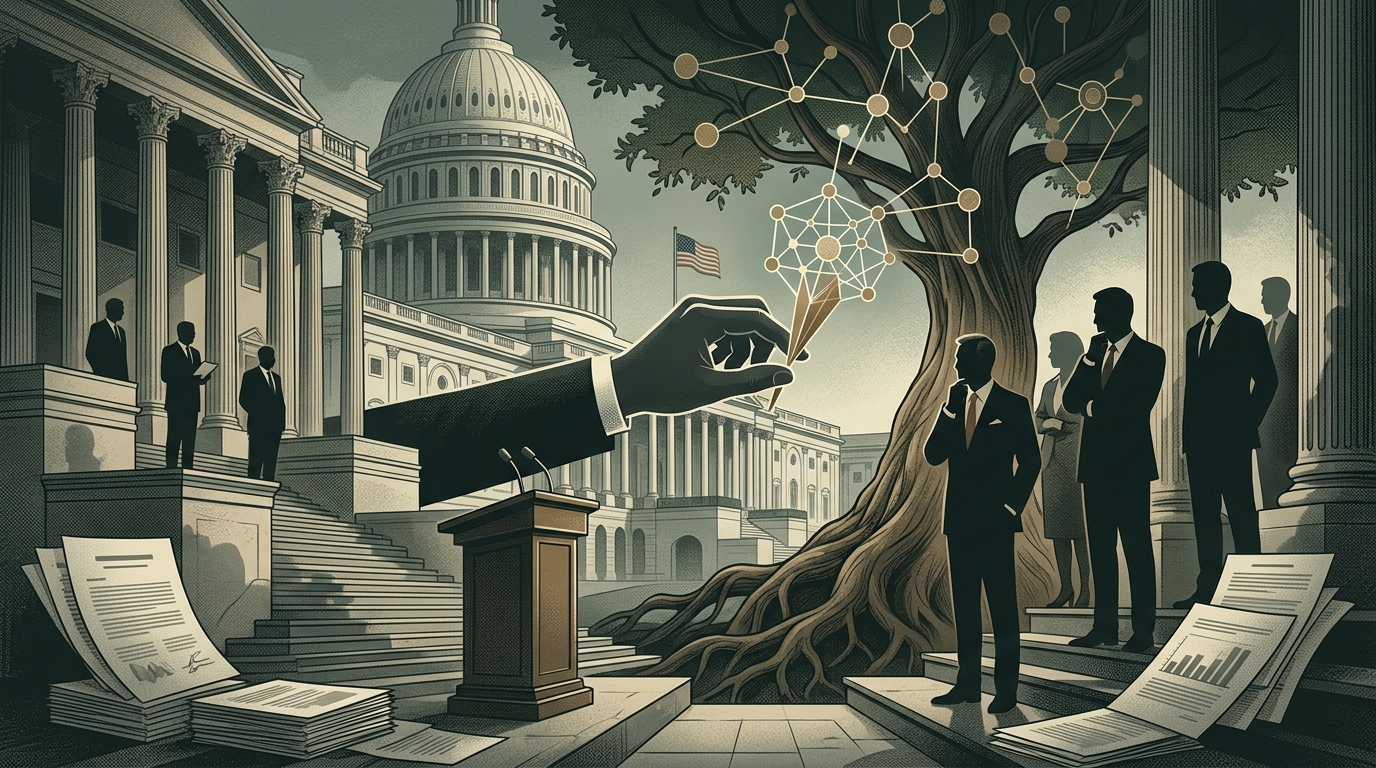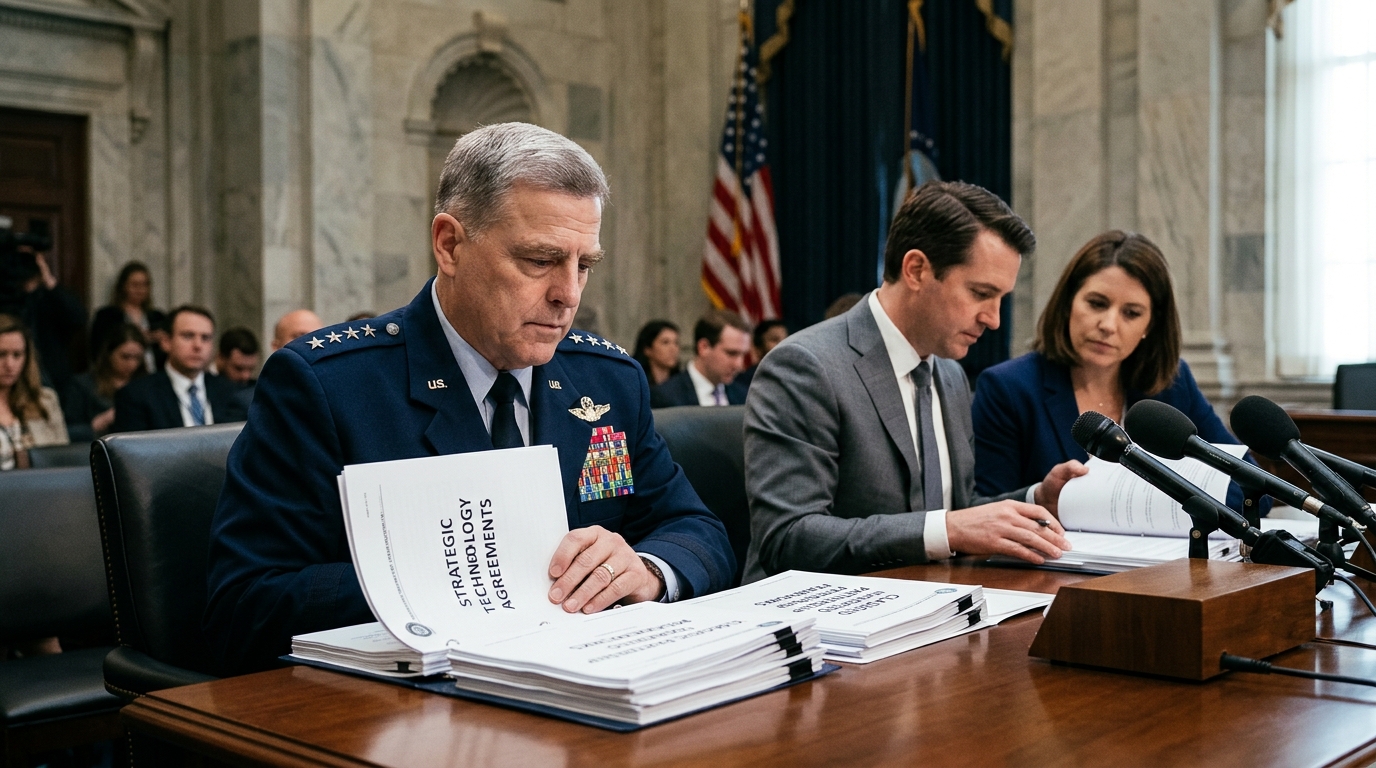
May 1, 2026, will likely be remembered as the date when traditional military might finally merged with computational omnipotence. The US Department of Defense (DoD) has announced the finalization of strategic agreements with seven leading technology firms to deploy and implement Artificial Intelligence models across classified and top-secret networks. This development signals the end of the experimental phase and the dawn of a new era where "algorithmic warfare" is no longer a sci-fi trope but an operational reality.
These deals, which include giants like Microsoft, Amazon, Google, and Oracle, alongside defense-tech specialists like Palantir, aim to solve one of the Pentagon's most pressing issues: how to harness the power of Large Language Models (LLMs) without compromising national security. Until now, using tools like ChatGPT was strictly forbidden for classified data, as information would have to travel to external servers. Now, these companies will deploy "air-gapped" versions of their models directly within the military's secure infrastructure.
The Strategy of Air-Gapped Intelligence
The core objective of this new partnership is the processing of data at the "Secret" and "Top Secret" levels. The challenge is as much technical as it is bureaucratic. For decades, Silicon Valley and the Pentagon shared a relationship of mutual suspicion, peaking with Google employee protests over Project Maven in 2018. However, the geopolitical reality of 2026, with China investing billions into military AI, has forced both sides into a "marriage of convenience."
According to DoD sources, AI will be utilized to analyze vast amounts of data from spy satellites, predict supply chain needs in conflict zones, and draft military reports that previously required thousands of man-hours. Speed is the decisive factor. In the modern theater of war, the time elapsed between identifying a target and making a decision (the OODA loop) must be reduced from minutes to seconds. AI provides exactly that acceleration.
Geopolitical Competition and Ethical Dilemmas
The US move does not occur in a vacuum. Russia and China have already integrated similar technologies into their national security doctrines. The difference here lies in the scale and the quality of the data. The seven selected companies are not just providing software; they are providing the military with the ability to "learn" from its own failures and successes in real-time.
- Automated Intelligence Analysis: Faster processing of signals and imagery from drones and sensors.
- Cyber Defense: Identifying intrusions and anomalies before they affect critical networks.
- Logistics Optimization: Streamlining the global movement of munitions, fuel, and personnel.
However, critics warn of the risks associated with "black box algorithms." If an AI suggests a kinetic strike based on classified data, how can a commanding officer verify the rationale behind the decision? The Pentagon insists that a human will always remain "in-the-loop," but the relentless pressure for speed may render this promise a mere formality in the heat of future conflicts.
"This isn't just a software upgrade. It is the re-foundation of deterrence for the 21st century," stated a senior Pentagon official.
The Economic Dimension: A New Military-Industrial Complex
These contracts are expected to funnel billions of dollars into the participating tech firms. The "Software as a Service" (SaaS) model is evolving into "Intelligence as a Service" for the state. This creates a new, profound dependency of the government on the private sector. While the Pentagon used to build its own hardware, it is now "leasing" the intelligence that directs its systems from companies headquartered in California and Washington.
In conclusion, the integration of AI into US classified systems is an inevitable evolution in the digital transformation of power. The lingering question is whether ethical and legal safeguards can keep pace with the blistering speed of technological progress, or if humanity is entering an era where algorithms will have the first and final say in the conflicts of tomorrow.