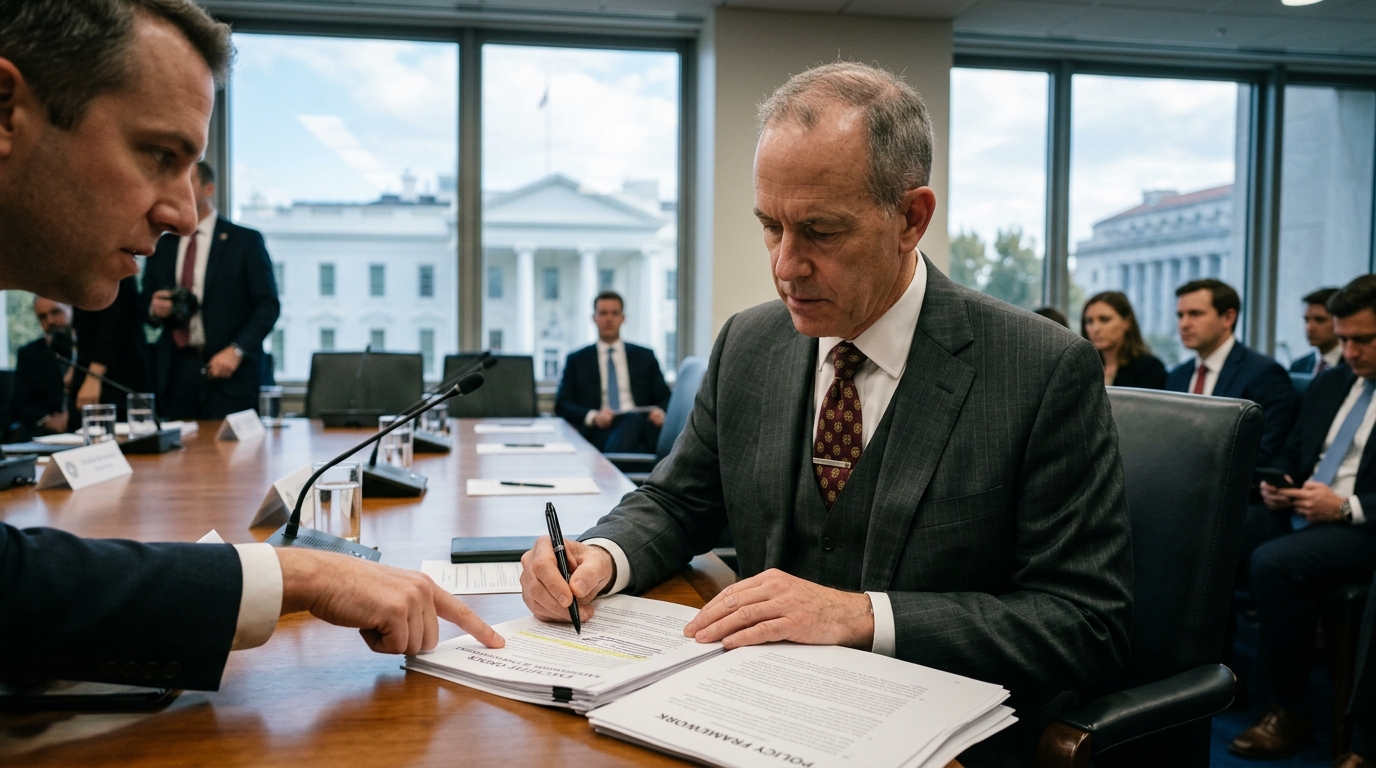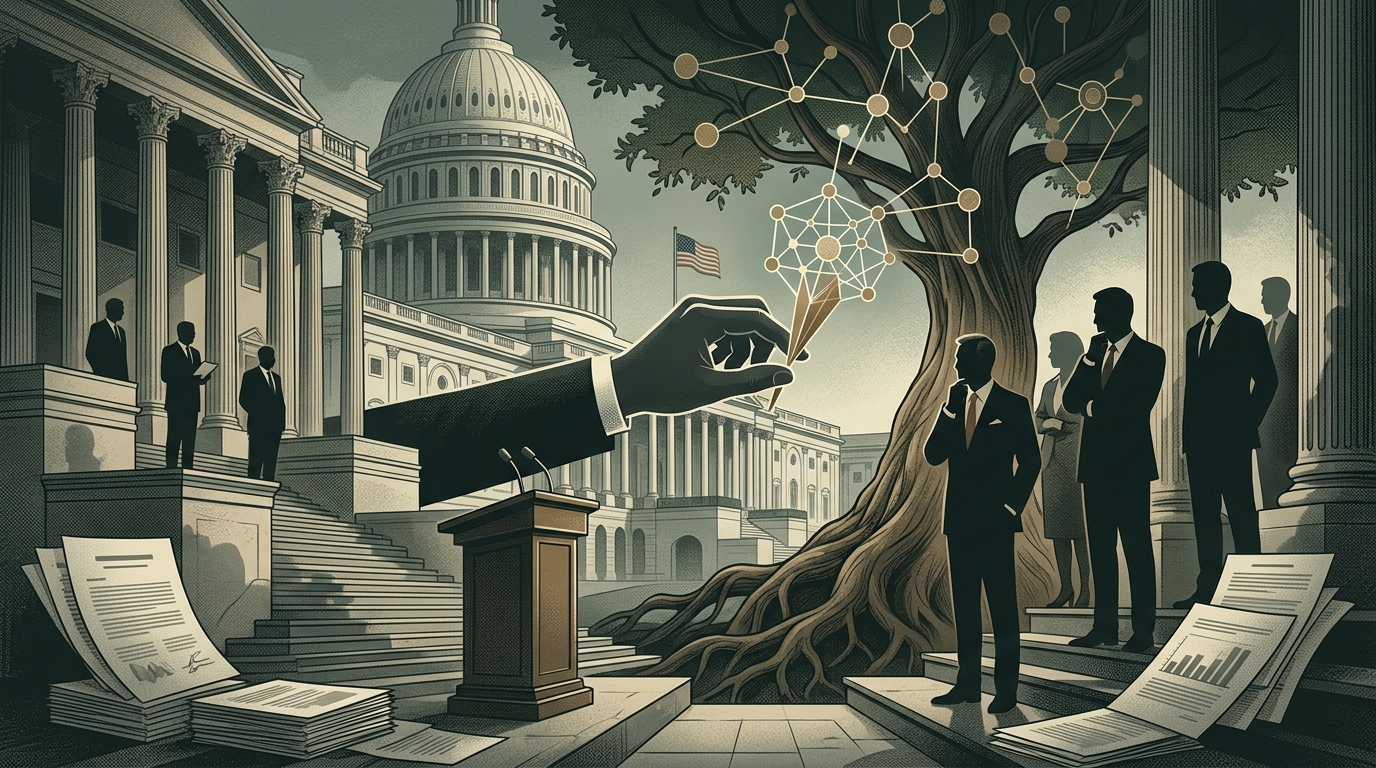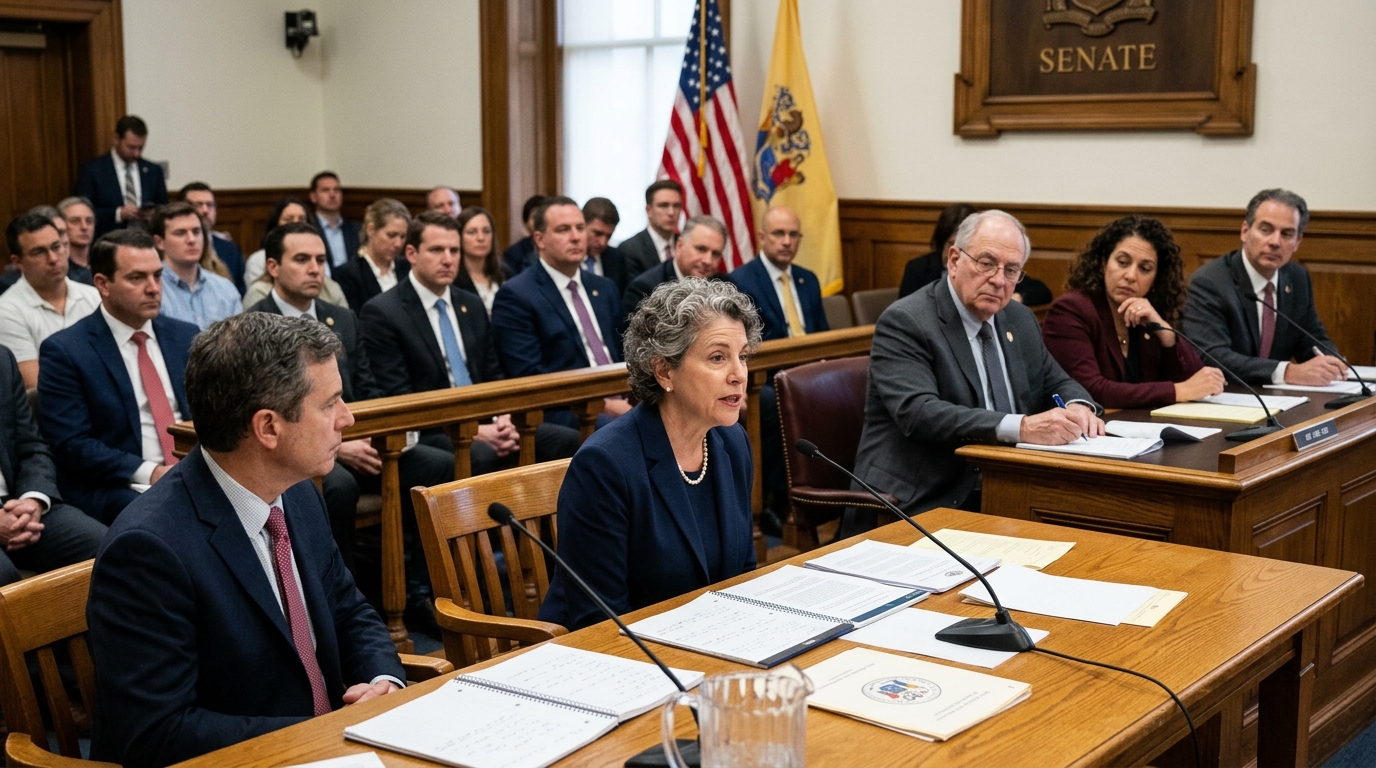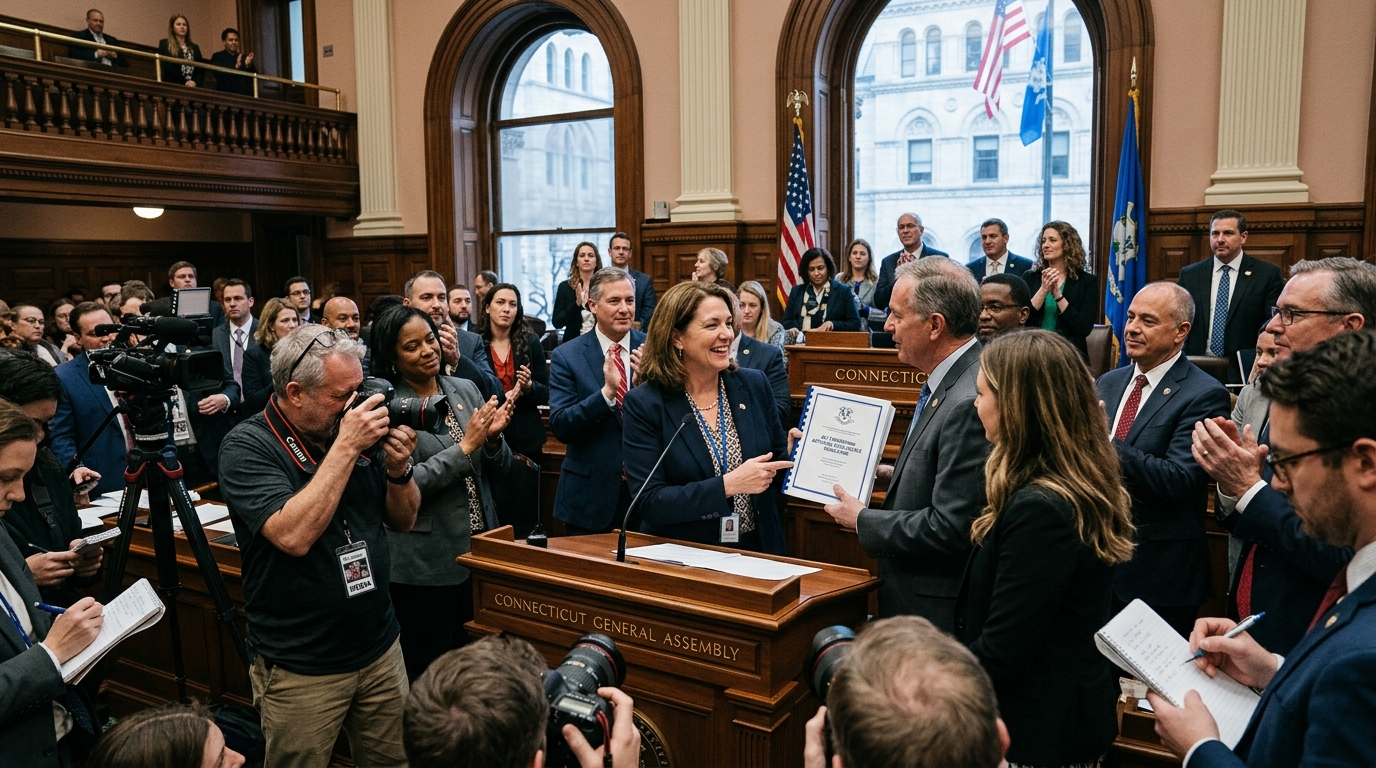
In a move that signals a new era for technological governance in the United States, the state of Connecticut has ratified a pioneering legislative framework for the regulation of Artificial Intelligence (AI). The bill, known as SB 2, is the culmination of years of effort and intense negotiations, placing the state at the forefront of the national conversation on algorithmic ethics and safety. This legislation is not merely a reaction to the technological boom but a proactive attempt to ensure that innovation does not sacrifice civil rights and social cohesion.
Addressing Algorithmic Discrimination
The central pillar of the new legislation is the fight against "algorithmic discrimination" in high-stakes sectors. These sectors include employment, education, housing, insurance, and access to financial services. Under the new framework, developers and companies using AI systems are now required to conduct regular impact assessments to ensure their algorithms do not perpetuate biases based on race, gender, age, or religion.
Connecticut's approach is particularly stringent regarding transparency. Citizens now have the right to know when a decision affecting them—such as the rejection of a loan application or selection for a job interview—has been made or significantly influenced by an AI system. This "demystification of the black box" of algorithms is considered crucial for restoring consumer trust in the digital economy. Furthermore, companies must provide clear mechanisms for appeal and review by a human agent.
The Front Against Deepfakes and Misinformation
Beyond discrimination, the bill decisively tackles the threat of deepfakes. With elections approaching and image and audio generation technology becoming increasingly convincing, Connecticut is establishing strict criminal and civil penalties for the creation and distribution of deceptive AI content. This concerns both political misinformation and the non-consensual production of pornographic material (non-consensual deepfake pornography), an issue that has reached alarming proportions globally.
The legislation also requires clear labeling (watermarking) of AI-generated content so that users can distinguish the authentic from the artificial. This measure aims to protect the public sphere from the erosion of truth, ensuring that technology does not become a tool in the hands of those seeking to manipulate public opinion or damage the dignity of individuals.
Balancing Regulation and Innovation
One of the most controversial points during the bill's development was the concern that strict rules could drive tech companies out of the state. Governor Ned Lamont had initially expressed reservations, fearing that Connecticut could become less attractive to startups compared to neighboring states or tech hubs like Silicon Valley.
However, the final version of the bill includes "safe harbor" provisions for companies that demonstrate good faith and comply with established cybersecurity and ethical standards. Additionally, a new Office of Artificial Intelligence is being established, which will serve as an advisory body, helping businesses navigate the new regulatory landscape without being stifled by bureaucracy. This hybrid approach seeks to make Connecticut an "ethical hub" of innovation.
National Implications and the EU Model
Connecticut's move does not take place in a vacuum. It coincides with the implementation of the European Union's AI Act, which serves as the global benchmark. Many analysts believe that Connecticut is acting as a "laboratory of democracy," testing policies that could later be adopted at the federal level by the U.S. Congress.
Unlike the federal government, which often lags due to political gridlock, states are now taking the lead. If more states follow Connecticut's lead, tech companies will find themselves facing a patchwork of regulations, a fact that might force them to lobby for a single national legislation themselves. The history of SB 2 shows that AI regulation is no longer a theoretical debate but an immediate legislative reality that will define the relationship between humans and machines for decades to come.