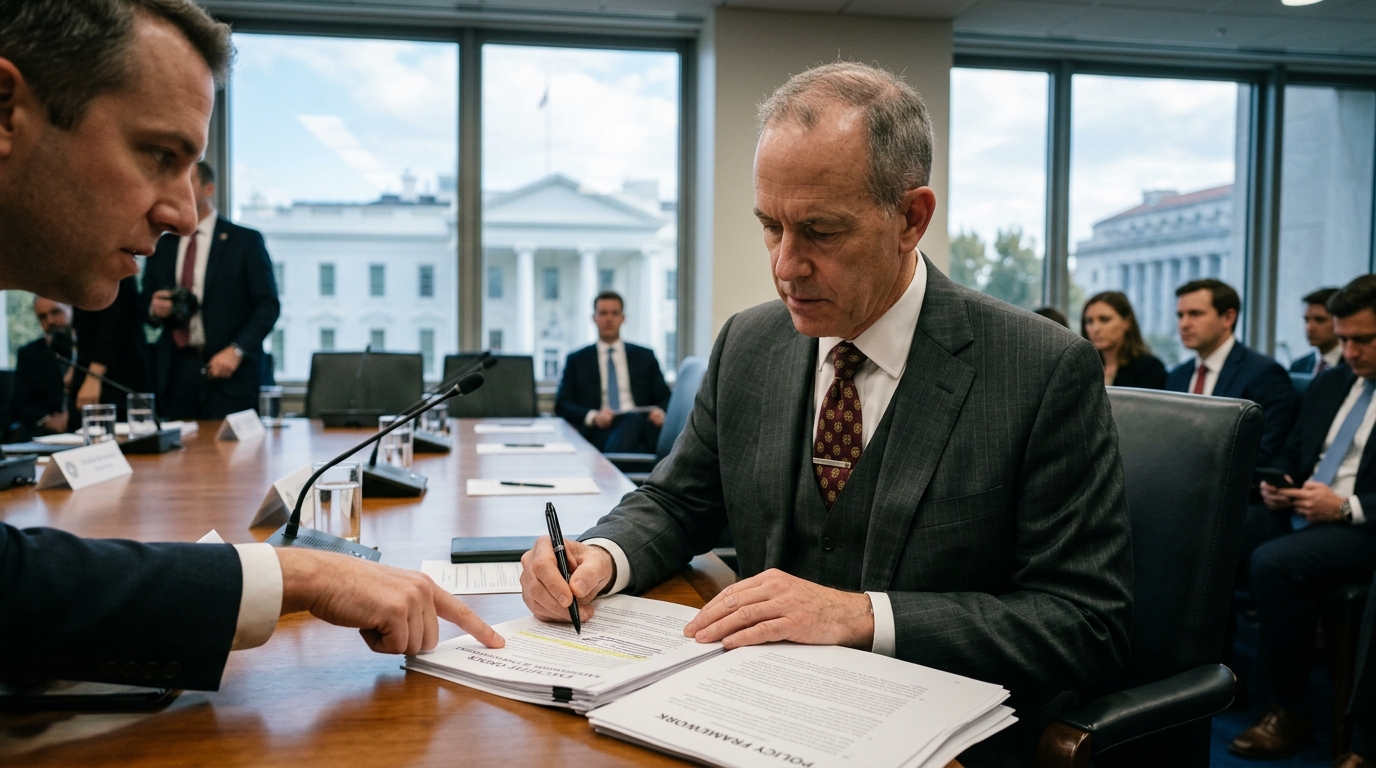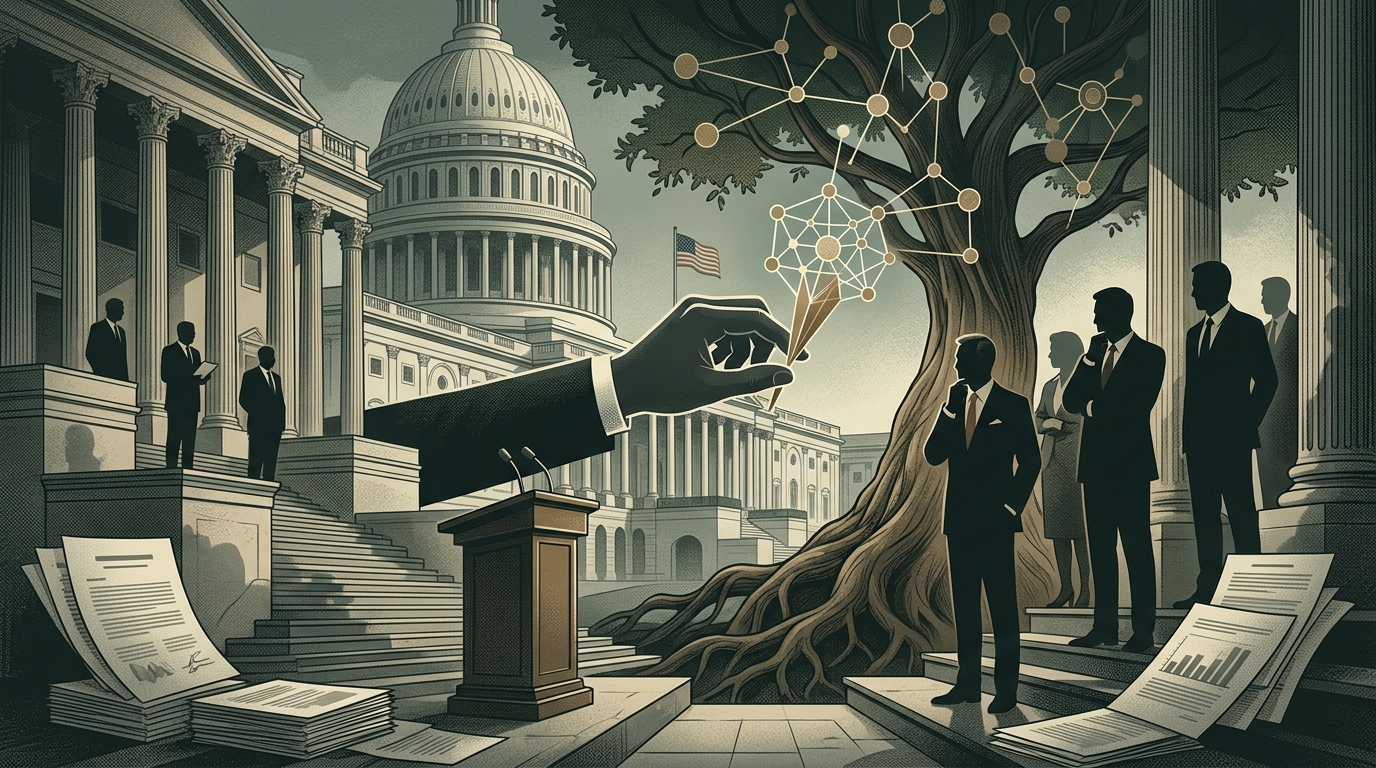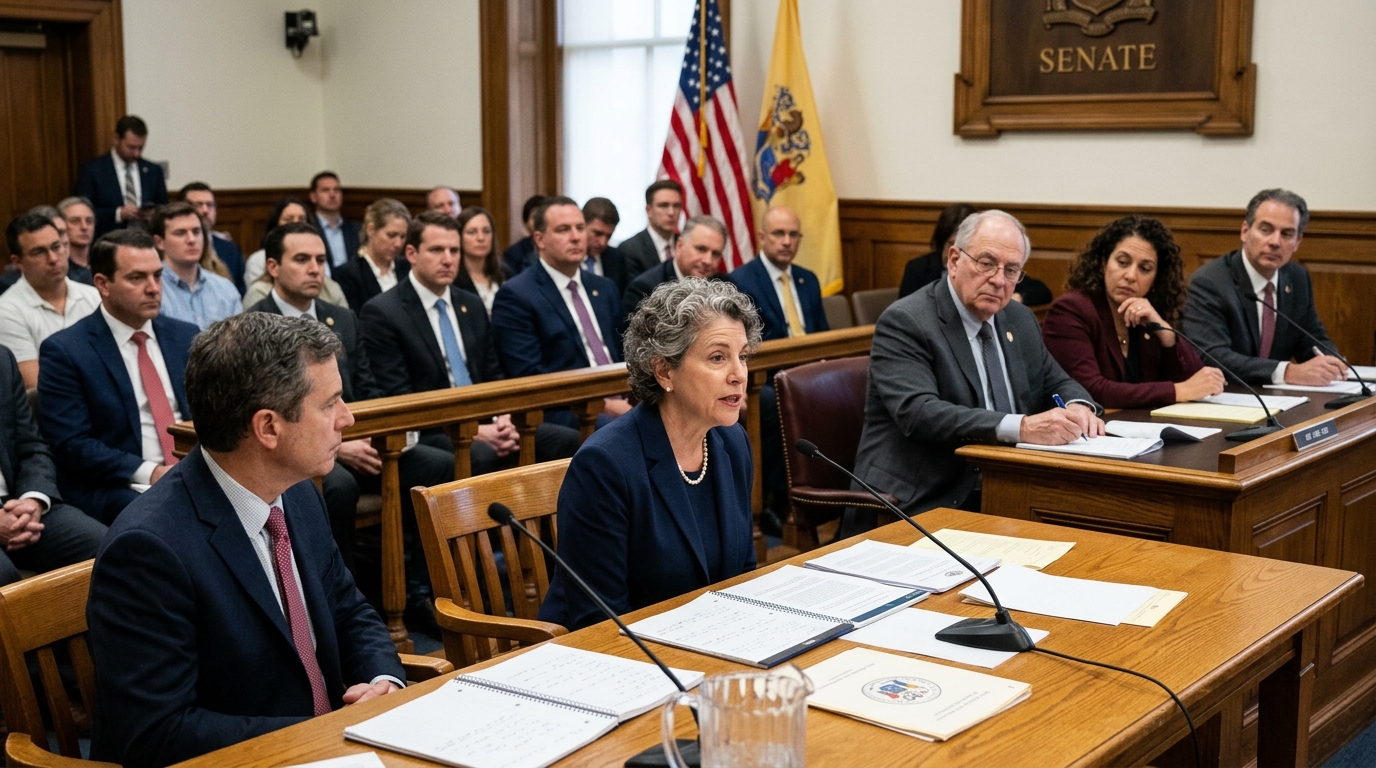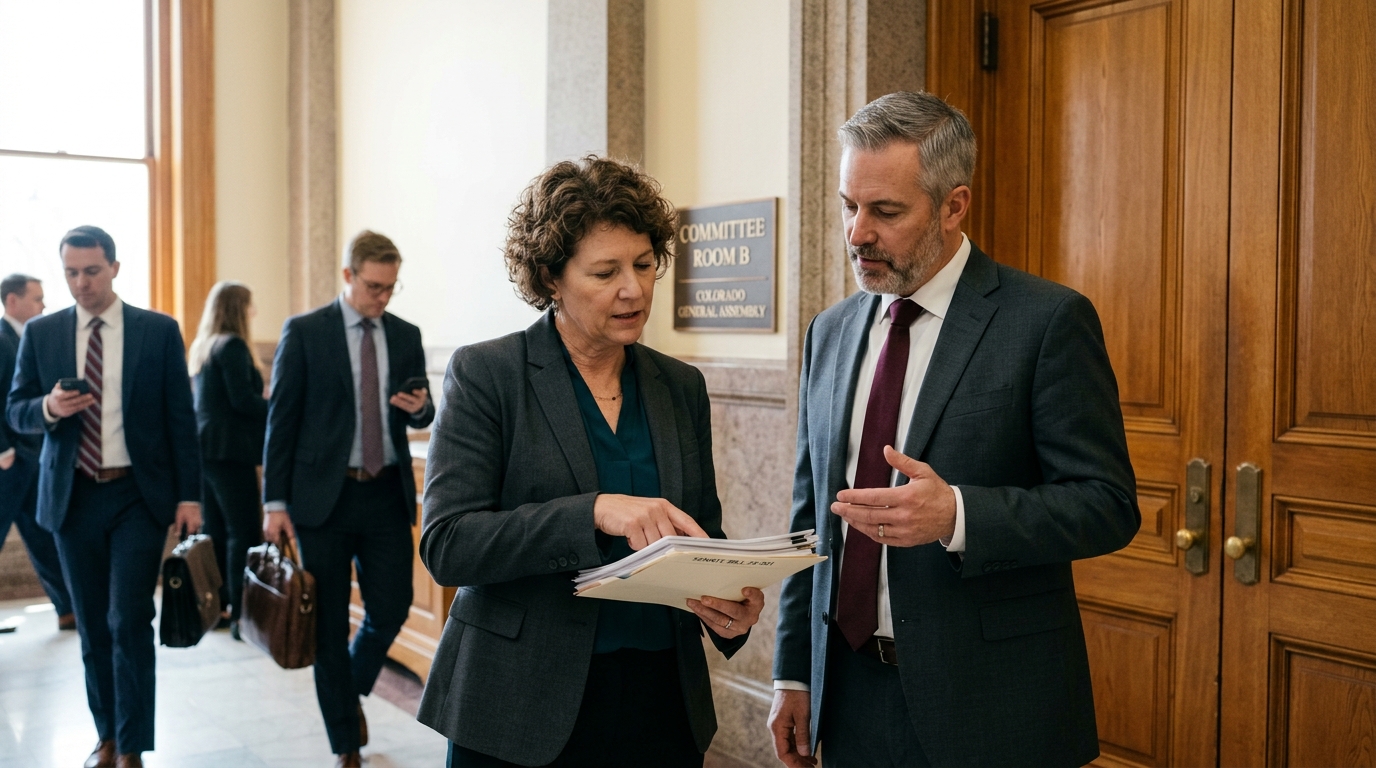
In an era where Artificial Intelligence (AI) is rapidly integrating into every facet of daily life, the state of Colorado is emerging as a regulatory laboratory for the United States. The recent "compromise" reached regarding Senate Bill 24-205 is not merely a local legislative act, but a strategic milestone attempting to bridge the gap between unfettered innovation and the protection of fundamental consumer rights.
The Philosophy of Compromise
The essence of Colorado’s legislation lies in the realization that outright bans or excessive regulation of AI could stifle economic growth. Instead, lawmakers have opted for the path of "informed consent." The core idea is simple yet radical: consumers must be explicitly informed when an AI system is making decisions that affect their lives, particularly in high-risk areas such as employment, housing, banking, and healthcare.
Governor Jared Polis, upon signing the bill, expressed reservations that mirror Silicon Valley’s anxieties. Nevertheless, the final version of the text focuses on a "duty of care" for both developers and deployers of AI systems, requiring them to mitigate algorithmic discrimination before it manifests in the marketplace.
High-Risk Systems and Transparency
The bill categorizes AI applications based on their potential impact. Systems used for evaluating loan applications, screening resumes, or providing medical diagnoses are deemed "high-risk." For these cases, the law mandates:
- Full disclosure to the user that an algorithm is being utilized.
- The possibility of human review of the decision (human-in-the-loop).
- Regular audits to detect biases related to race, gender, or age.
This approach closely mirrors the European Union’s AI Act, making Colorado the first US state to adopt such a comprehensive framework despite intense lobbying from tech giants.
The Political Chessboard and Reactions
The path to this compromise was far from smooth. On one side, privacy advocacy groups argue that the law is not stringent enough, as it relies heavily on corporate self-regulation. On the other, industry representatives warn of a "patchwork" of differing state laws that would make compliance nearly impossible for small and medium-sized enterprises.
"We cannot allow technology to move in the dark. Transparency is not an obstacle to progress; it is the prerequisite for trust," stated one of the bill's primary sponsors.
The real challenge begins now, as the law’s full implementation in 2026 will reveal whether the oversight mechanisms are sufficient or if corporations will find loopholes to avoid accountability. Colorado is betting that an informed consumer is the most powerful regulatory tool in a market changing faster than legislation can keep up.
Conclusion: A Blueprint for the Future?
Colorado’s move sends a clear signal to Washington: in the absence of federal action, states will take matters into their own hands. The focus on consumer notification is a clever compromise that avoids extremes, but it remains questionable whether it is enough to tame the darker aspects of algorithmic governance. For citizens, it represents a preliminary victory for the right to "human intervention" in a world increasingly governed by code.