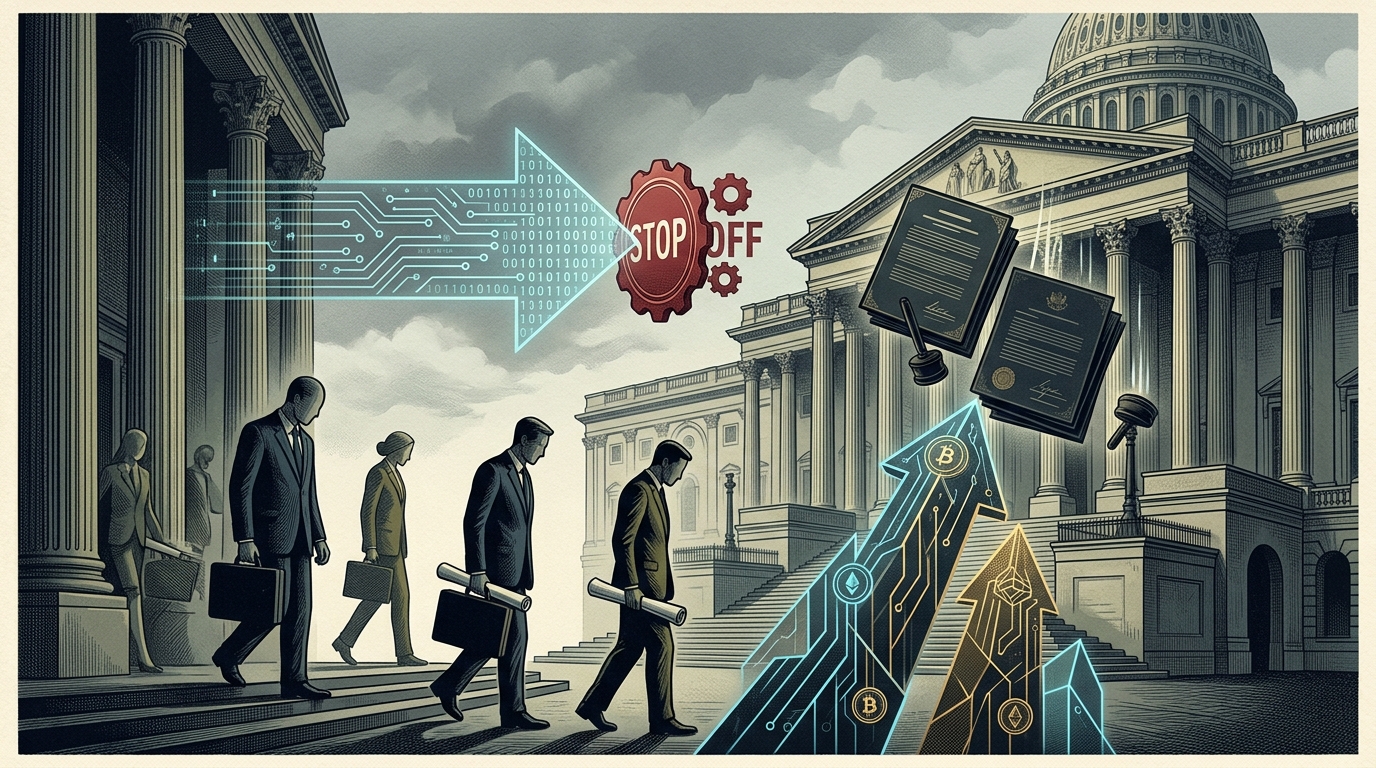
The U.S. Securities and Exchange Commission (SEC) has once again chosen the path of extreme caution, putting the brakes on ambitious plans to create cryptographic versions of U.S. stocks. According to reports from Bloomberg, the regulator is delaying the approval of a framework for exemptions that would have allowed crypto firms to offer "tokenized" stocks—digital replicas of traditional securities trading on blockchain networks.
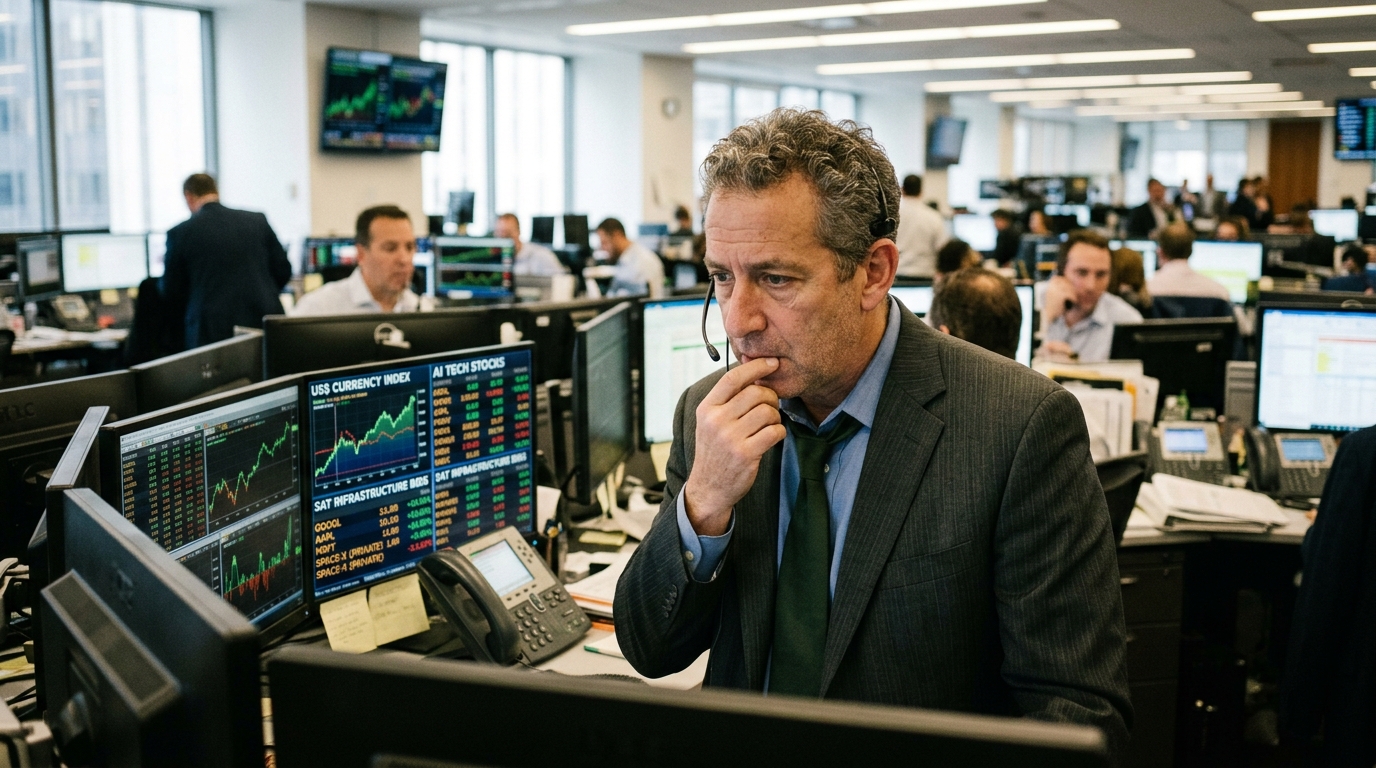
This move is a significant blow to the Real World Assets (RWA) sector, which many consider the "holy grail" of convergence between Traditional Finance (TradFi) and Decentralized Finance (DeFi). The promise was simple yet revolutionary: the ability to trade stocks like Apple or Nvidia 24/7, with near-instant settlement and without the need for traditional intermediaries that slow down and complicate the process.
The Regulatory Wall and Investor Protection
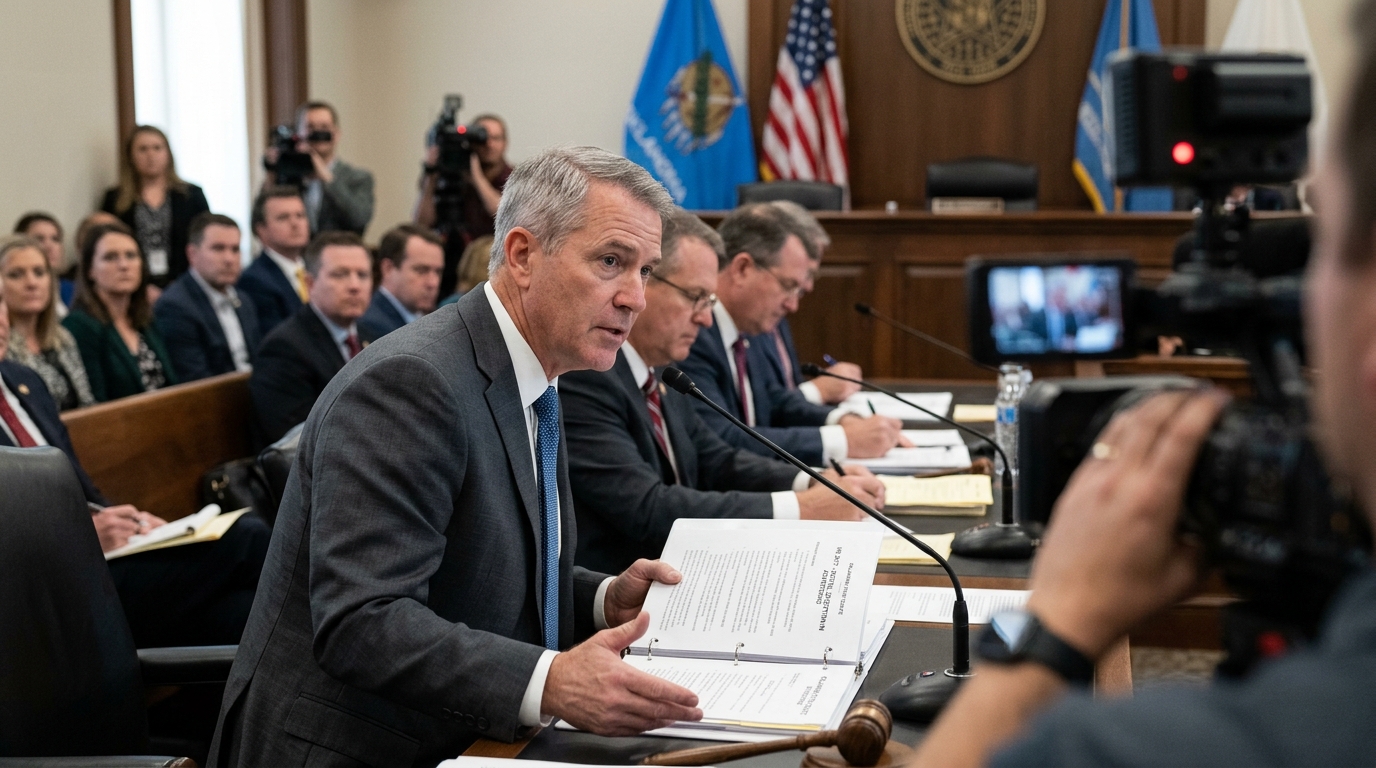
The SEC's hesitation is no surprise to those who have followed the tenure of Chair Gary Gensler. The primary argument remains investor protection and market integrity. The SEC is concerned that moving stocks to blockchain platforms that do not operate under the same rigorous oversight as the New York Stock Exchange (NYSE) or Nasdaq could open the floodgates for market manipulation and systemic risks.
Furthermore, there is the issue of settlement infrastructure. While blockchain promises T+0 (instant settlement), the current U.S. system only recently transitioned to T+1. The SEC appears to believe that the infrastructure of crypto firms is not yet mature enough to handle the massive volume and complexity of U.S. capital markets, particularly regarding institutional custody and Know Your Customer (KYC/AML) verification.
"The digitization of equities is inevitable, but the SEC prefers it to happen on its own terms, protecting the existing banking establishment rather than risking an uncoordinated transition," says a market analyst.
The Clash of Innovation and the Status Quo
For crypto companies, this delay represents a missed opportunity to attract institutional capital. Many platforms have already invested millions in developing technological protocols that allow for "compliance by design." The idea is that SEC-mandated restrictions could be embedded directly into the smart contracts of the tokens, automatically preventing unauthorized or illicit transactions.
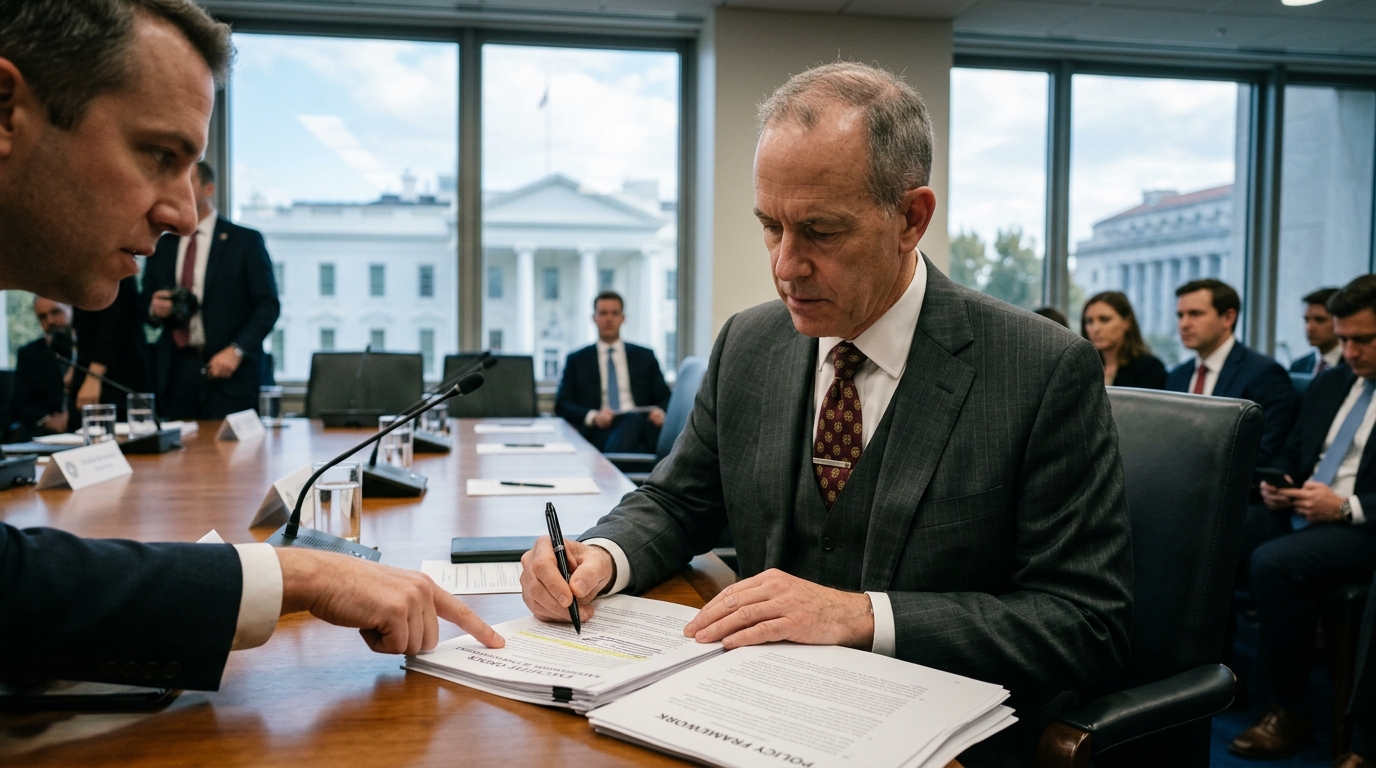
However, the regulator seems to demand more than just technological safeguards. It seeks legal clarity that current securities laws, some dating back to the 1930s, struggle to provide. This delay also creates a geopolitical vacuum. While the U.S. wavers, other jurisdictions like the European Union (via MiCA) and Hong Kong are establishing clearer frameworks for the issuance and trading of digital securities.
- Liquidity Fragmentation: Without SEC approval, tokenized stocks remain confined to "walled gardens" without sufficient liquidity to be viable for large-scale trading.
- Banking Competition: Major banks like JPMorgan are developing their own private blockchains, which the SEC may view more favorably than public, permissionless networks like Ethereum.
- Compliance Costs: The requirements for obtaining an Alternative Trading System (ATS) license remain prohibitively expensive for many startups in the space.
The Future of Real World Assets (RWA)
Despite this temporary setback, the trend toward tokenization shows no signs of long-term reversal. BlackRock, the world's largest asset manager, has already stated that the future of markets lies on the blockchain. The SEC's delay can be interpreted as an attempt to "discipline" the market, forcing crypto players to adopt Wall Street's standards rather than attempting to bypass them.
The implications are clear: the migration of the world's $100 trillion equity market to the blockchain will not be a swift revolution, but a slow, regulated evolution. The SEC is ensuring it remains the ultimate gatekeeper, even as the underlying technology threatens to make the traditional roles of exchanges and clearinghouses obsolete. For now, the dream of a truly global, 24/7 on-chain stock market remains on hold, waiting for the regulatory green light that seems perpetually just over the horizon.