In the heart of Washington, D.C., where political power intersects with technological uncertainty, one man stands at the center of a storm that could define the future of humanity. Sean Cairncross, the National Cyber Director (NCD), has been tasked with the Herculean job of coordinating U.S. strategy against "hyper-advanced" Artificial Intelligence. However, as the capabilities of AI models approach levels once reserved for science fiction, voices are growing louder questioning whether Cairncross possesses the necessary tools to lead this charge.
The Rise of Hyper-Advanced Intelligence
The year 2026 finds the world at a critical crossroads. Artificial Intelligence is no longer just an automation tool; it is an entity with strategic thinking capabilities, advanced coding skills, and, in some cases, autonomous decision-making power within cyberspace. The U.S. government, recognizing the danger of an uncontrolled technological explosion, assigned the Office of the National Cyber Director the role of "gatekeeper." Cairncross is expected to bridge the gap between Silicon Valley's rapid innovation and Capitol Hill's lumbering legislative machinery.
The challenge is two-fold: on one hand, the need for safety and protection against malicious AI uses (such as the creation of biological weapons or the collapse of critical infrastructure), and on the other, maintaining American supremacy against rivals like China. Critics of Cairncross argue that his background, while rich in administrative experience, lacks the deep technical orientation required to understand the inner workings of next-generation neural networks.
Doubts and Political Pressures
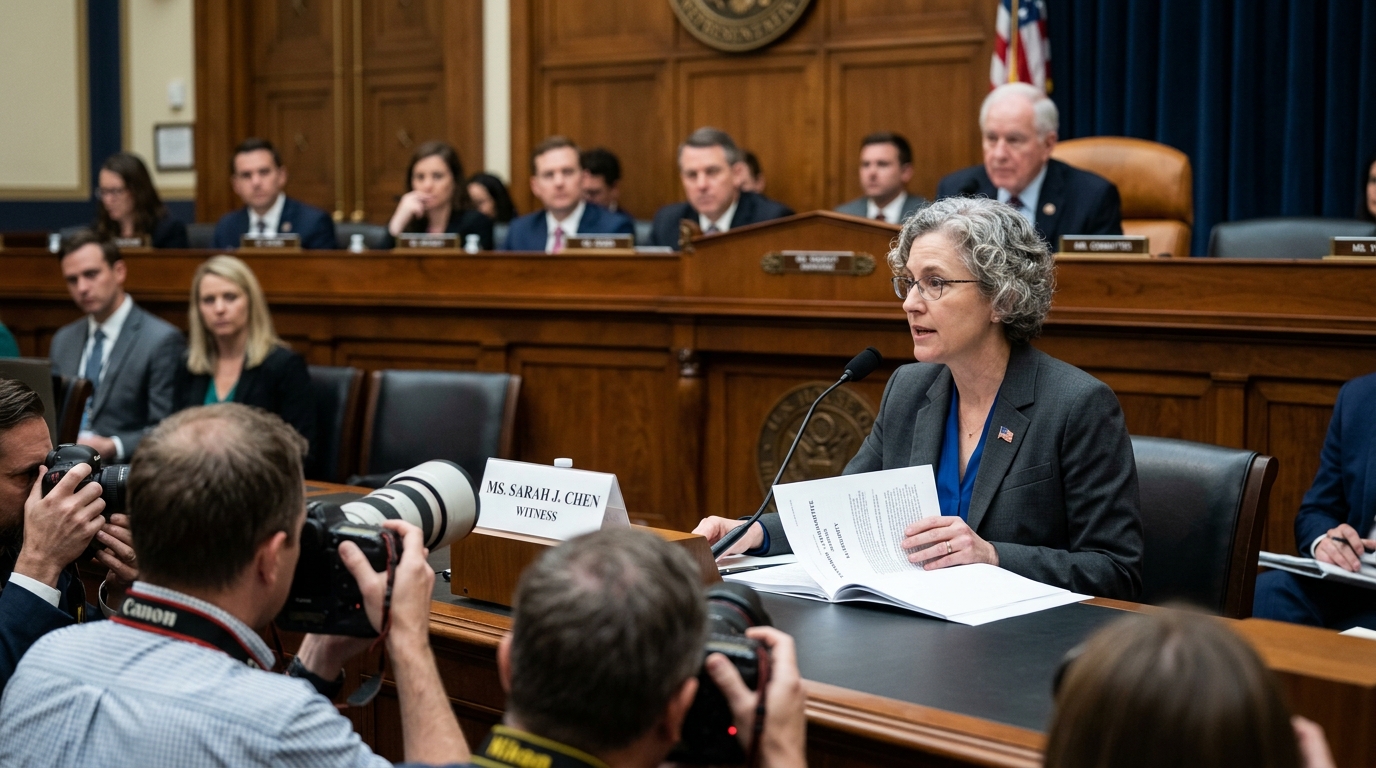
According to recent reports, industry executives and certain circles within the intelligence community are expressing concerns about the NCD's ability to enforce meaningful rules. "We don't just need an administrator; we need a cyber general who speaks the language of algorithms," says an anonymous source from the Department of Defense. Criticism focuses on the fact that Cairncross appears to rely too heavily on outside consultants, which may delay critical decision-making in an era where every second counts.
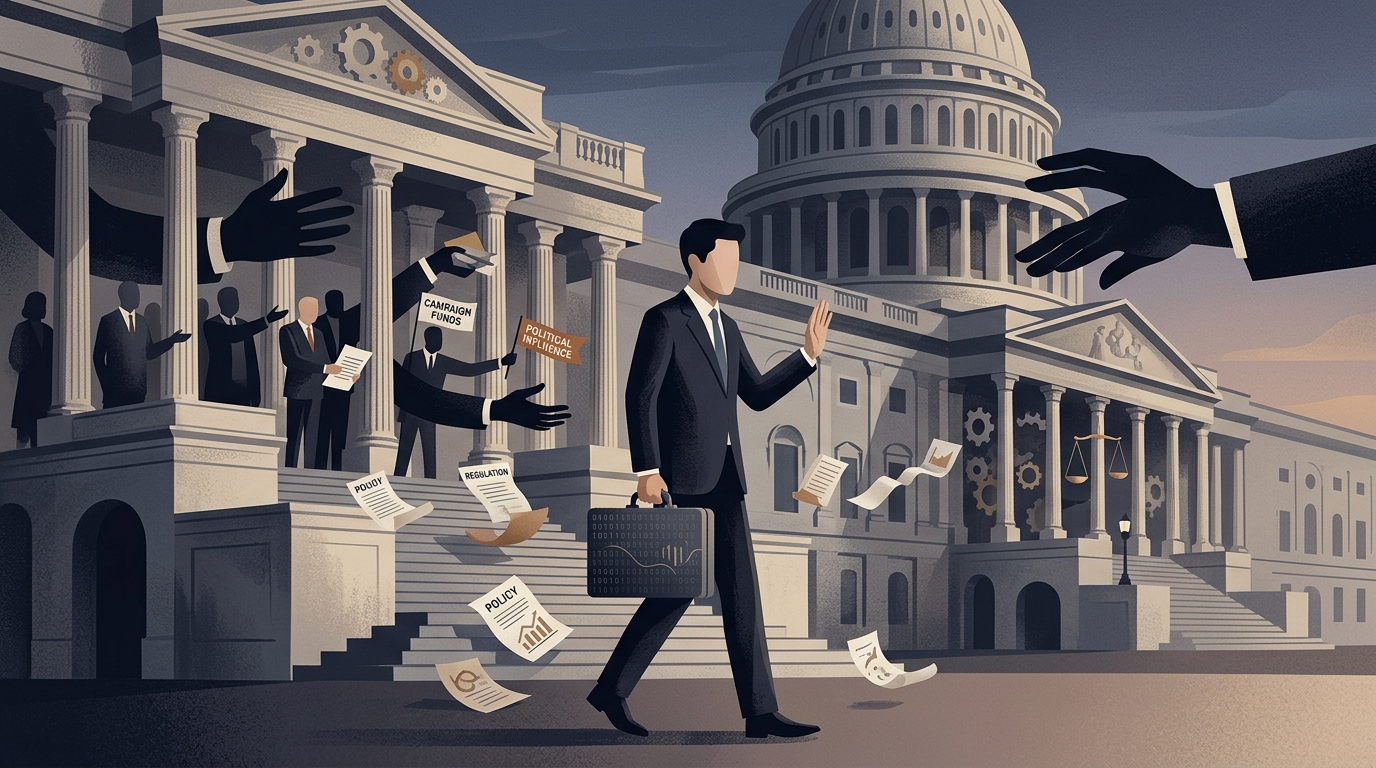
However, his supporters point out that the NCD role is inherently political and coordinative. His job is not to write code but to ensure that the FBI, NSA, and Department of Commerce do not clash with one another. Cairncross has proven in the past that he can navigate the labyrinthine corridors of bureaucracy—a skill that might be more valuable than knowing Python when it comes to passing national strategies.
- A lack of technical depth could lead to superficial or ineffective regulations.
- Cairncross's political influence is his strongest weapon in Washington's power plays.
- The conflict between national security and free-market innovation remains the primary hurdle.
- International cooperation on AI safety depends on the stability and authority of his office.
The Future of Oversight
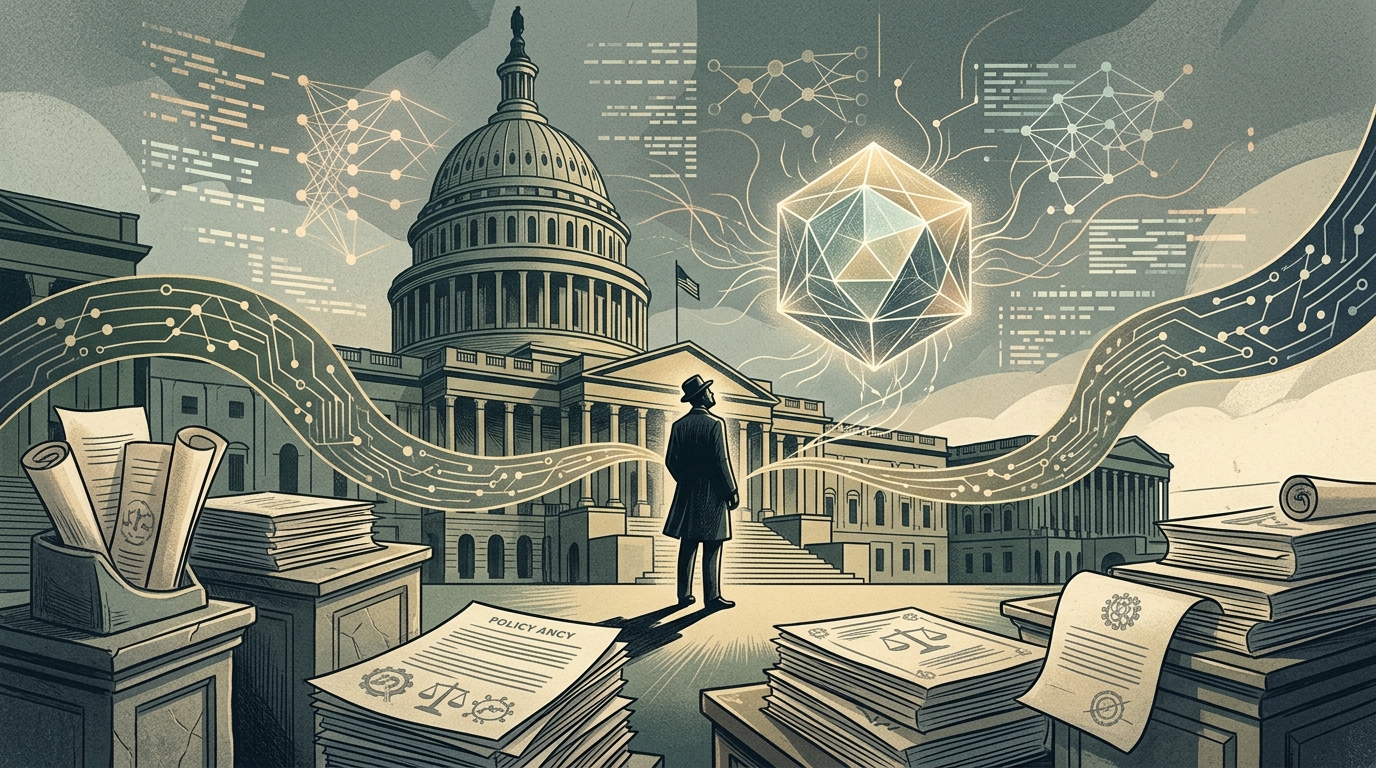
As we move deeper into 2026, the pressure on Cairncross will only intensify. The emergence of models capable of recursive self-improvement poses a fundamental question: can humans regulate something that evolves faster than their own thought processes? The stakes for the National Cyber Director involve not just his personal success, but the ability of democracy to remain relevant in a data-driven world.
"Artificial Intelligence is the new nuclear race, but without the visible mushroom clouds. If we fail in its regulation now, there won't be a second chance," warn AI safety experts.
In conclusion, Sean Cairncross finds himself in a position few would envy. Whether he proves to be the right man for the era or a "bureaucratic bottleneck," his tenure will serve as a case study for how 21st-century governments confront the existential challenge of technology. History will judge him not by his intentions, but by the resilience of the digital walls he attempts to build.