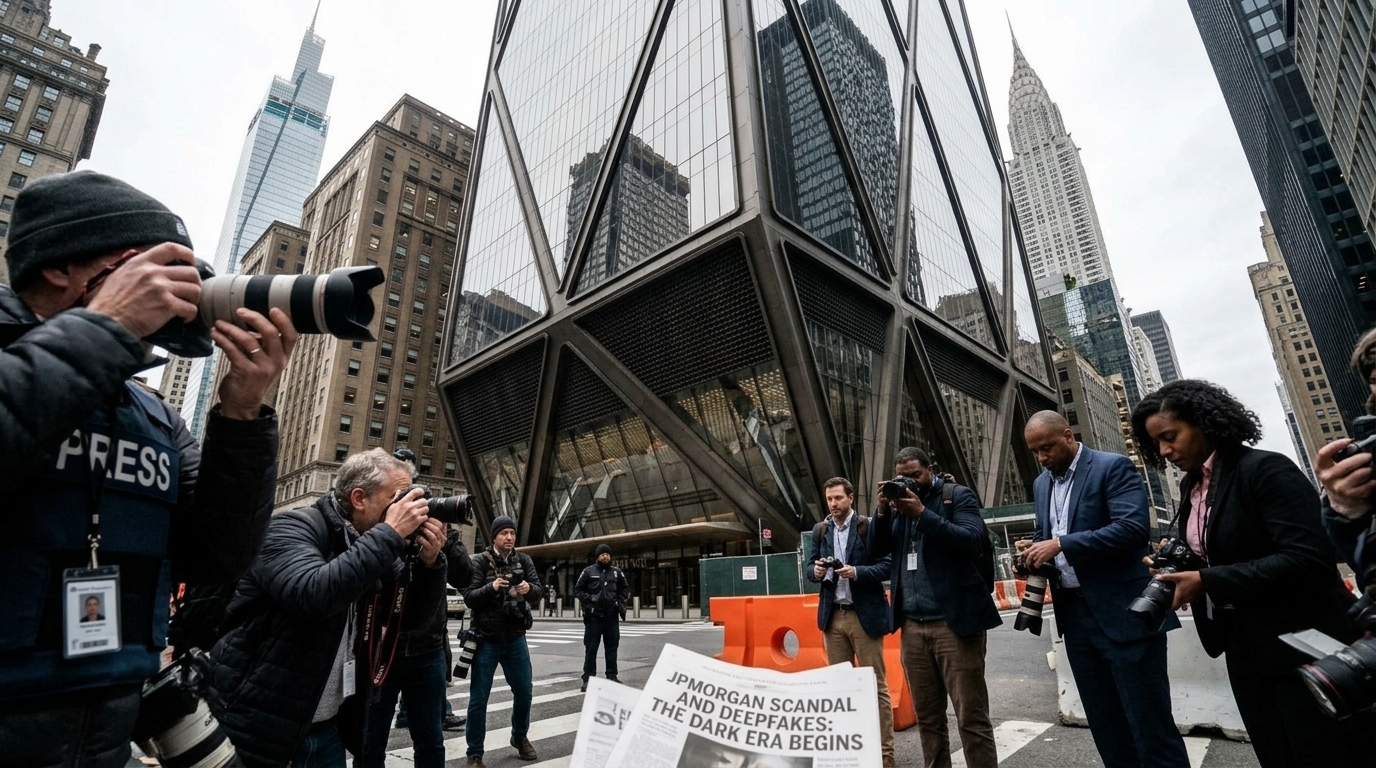
The saga of JPMorgan Chase, the American banking titan, has long been punctuated by legal battles and scrutiny over its corporate culture. However, the recent escalation of a sexual harassment scandal within its ranks is not merely another courtroom drama. According to a revealing report by the Wall Street Journal, the case has entered a new, chaotic phase where Artificial Intelligence (AI) is being weaponized as a tool for psychological warfare and disinformation, making the pursuit of truth an increasingly elusive goal.
The Digital Assault: From Allegations to Deepfakes
The scandal initially centered on serious allegations of misconduct within the bank's walls. Yet, the situation spiraled out of control when video and audio clips allegedly involving the victims or the accused began circulating online. The catch? Many of these pieces of evidence are products of deepfake technology. The use of AI to generate fake but hyper-realistic content has transformed an already traumatic legal process into a digital nightmare.
As analysts point out, the JPMorgan case highlights a new form of "digital gaslighting." When technology allows anyone to fabricate incriminating evidence or defame a person's character with content that looks and sounds authentic, trust in institutions and the judiciary is fundamentally shaken. Victims no longer just face the trauma of the harassment itself; they must now prove that their own likeness and voice in a video are not actually theirs.
The Legal Vacuum and the 'Liar’s Dividend'
The most profound issue emerging is what researchers call the "Liar's Dividend." In a world where deepfakes are ubiquitous, actual perpetrators can claim that real, incriminating evidence against them is also an AI-generated fabrication. This ambiguity inherently favors the powerful and those with the resources to sustain prolonged legal battles.
- The difficulty for courts to verify authenticity in real-time.
- The lack of a robust legislative framework to criminalize the creation of deepfakes intended for workplace defamation.
- The immense psychological toll on victims who see their privacy violated in irreversible ways.
JPMorgan, for its part, finds itself in an incredibly precarious position. While attempting to manage the internal crisis, the proliferation of AI content makes internal investigations a minefield. How can an HR department rule on the validity of a complaint when digital evidence is perpetually under a cloud of doubt?
Corporate Responsibility in the Age of Synthetic Media
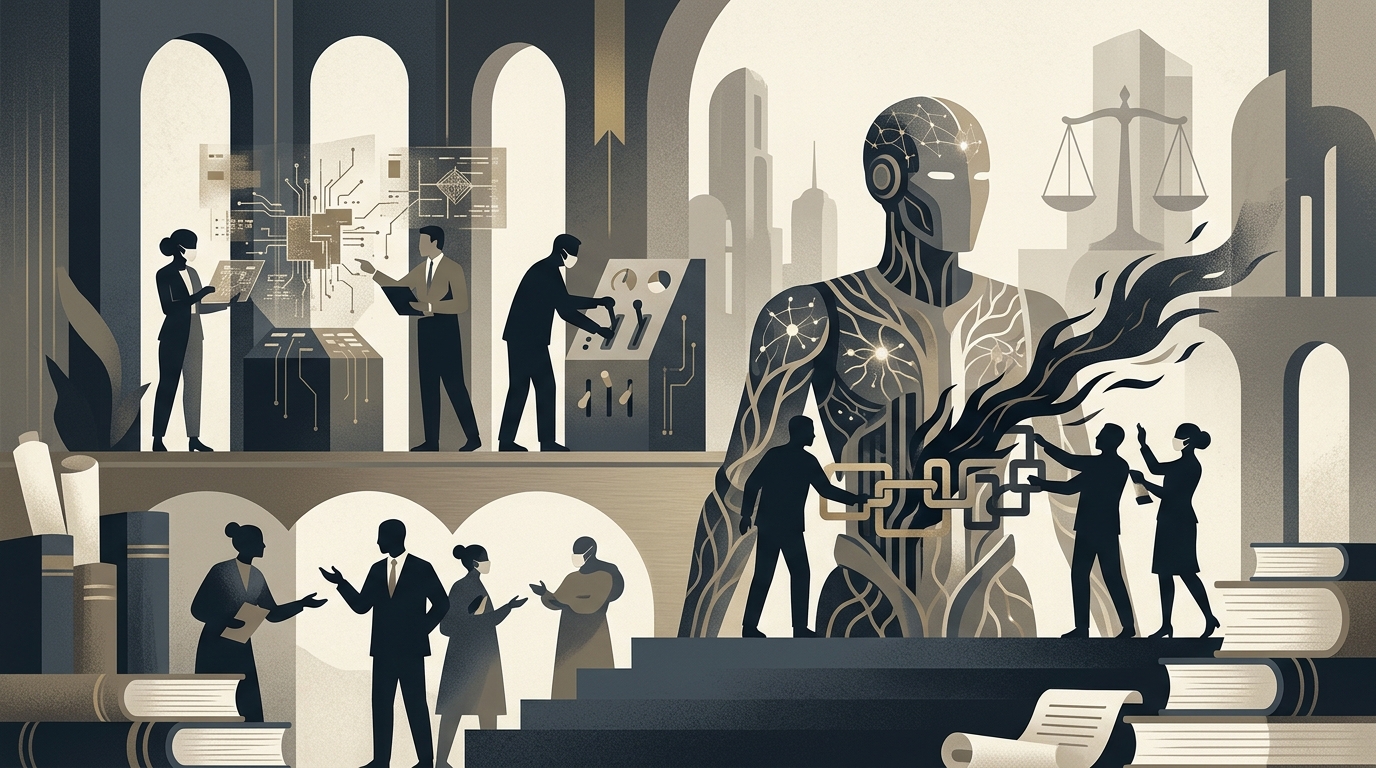
This issue transcends the boundaries of JPMorgan. It concerns every major organization tasked with protecting its employees in an era where technology can be weaponized with minimal cost. The need for investment in AI detection tools is now imperative, yet even these do not offer a 100% guarantee of accuracy.
"We are not just facing a technological challenge, but an ethical crisis that threatens to undo decades of progress in labor rights," noted a digital security executive.
In conclusion, the JPMorgan case serves as a stark warning for the future. Unless the judiciary and the corporate world adapt immediately, Artificial Intelligence will continue to provide cover for perpetrators and silence victims, turning the professional environment into a field of digital anarchy.