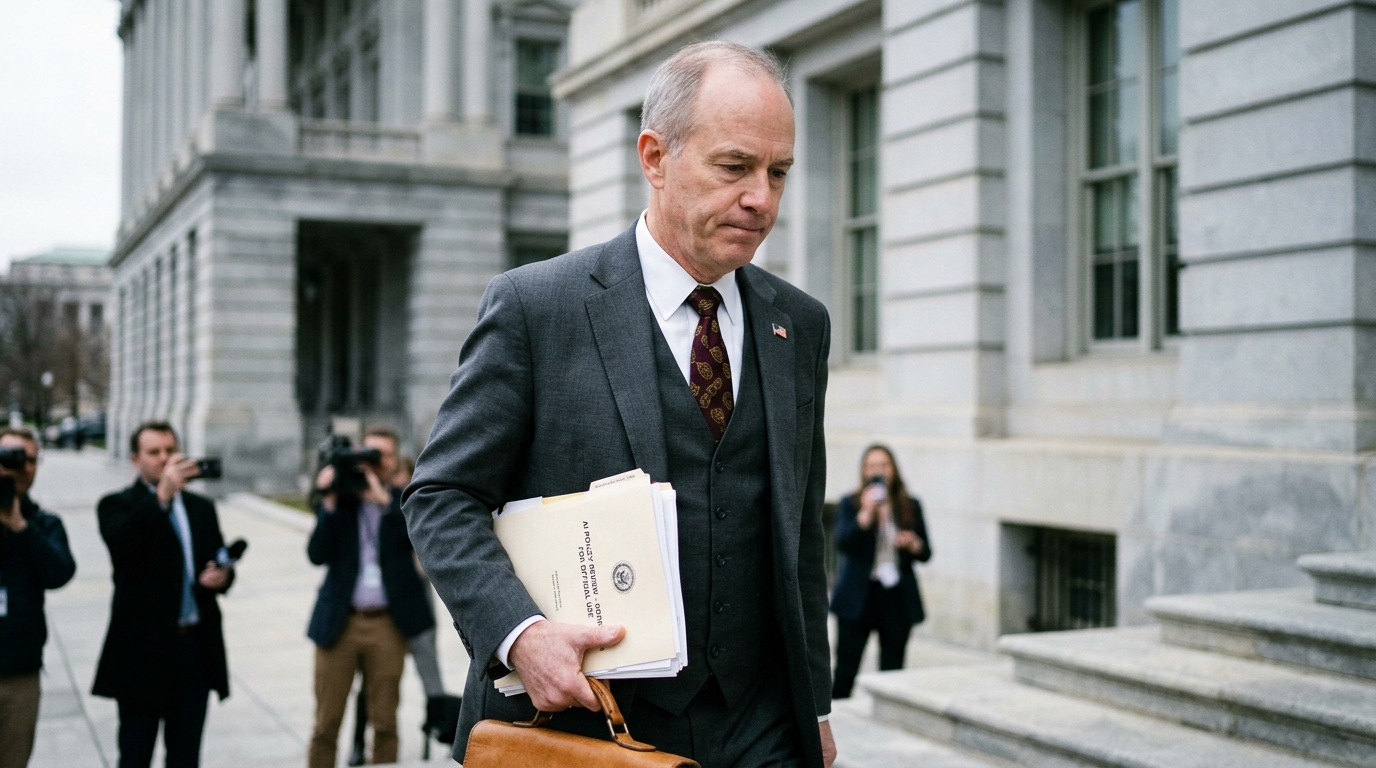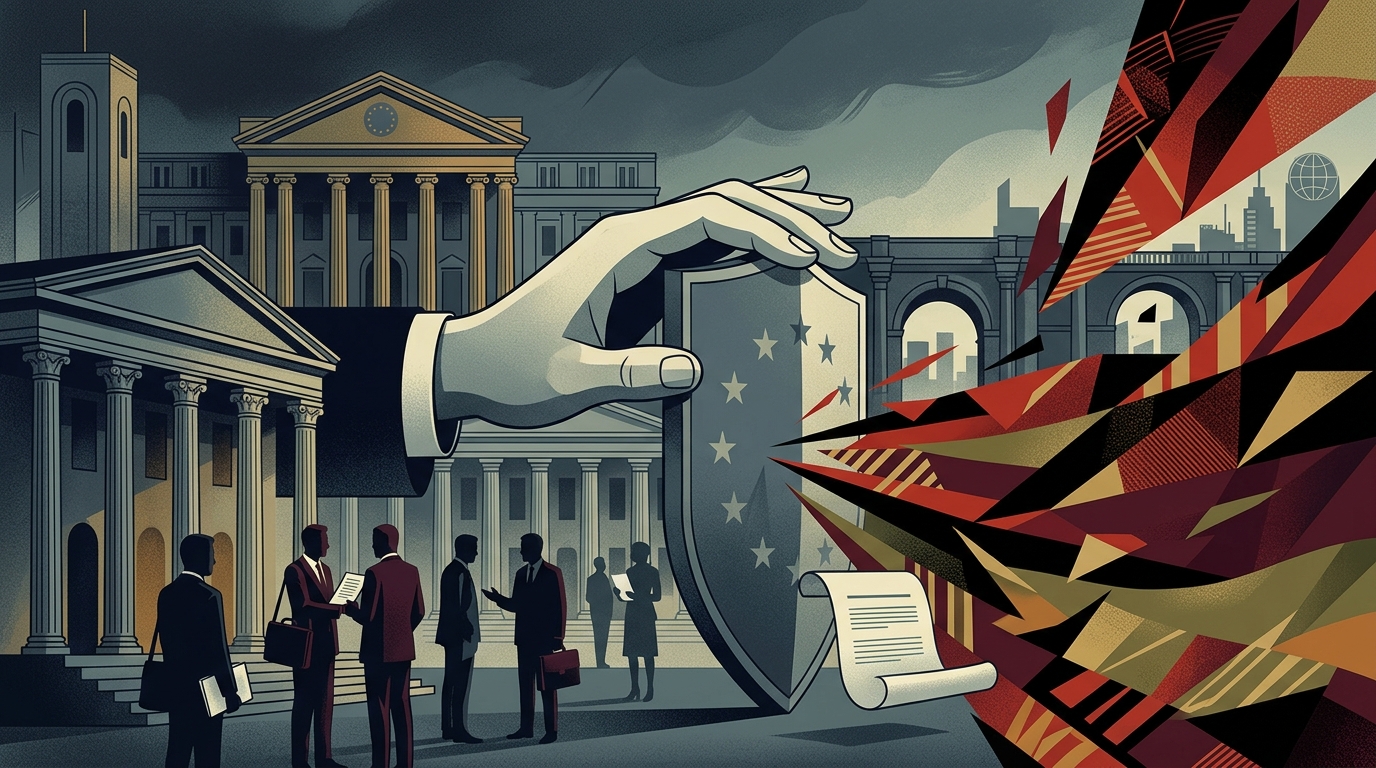
In a defining moment for transatlantic relations, Kyriakos Pierrakakis’ recent intervention on Bloomberg TV was more than just a diplomatic statement; it was a clear declaration of intent from the European Union. As the specter of a new wave of tariffs from the Trump administration looms over the global economy, the Greek minister—acting as one of Europe’s leading architects of digital policy—made it clear that the Continent now possesses the tools and the political will to strike back.
The Tariff Wall and the EU’s Arsenal
Donald Trump’s rhetoric regarding universal baseline tariffs, which could reach 10% or even 20%, has sent shockwaves through global markets. Speaking to Bloomberg, Pierrakakis emphasized that the EU is no longer the "naive" player of the past. With the activation of the Anti-Coercion Instrument (ACI), Europe now has a legal framework to impose countermeasures targeting strategic sectors of the US economy should Washington proceed with unilateral actions.
The Minister’s analysis focused on the fact that a trade war in 2026 is not merely about steel or automobiles; it is primarily about technology and data. "Stability is the goal, but retreat is not an option," he noted, signaling a Europe that seeks strategic autonomy without decoupling from global supply chains, yet remains ready to defend its interests.
Digital Sovereignty as a Shield
A central pillar of Pierrakakis’ intervention was the nexus between trade, Artificial Intelligence, and digital infrastructure. He stressed that Europe is investing heavily in semiconductor production and the development of its own AI models to reduce dependence on US-based giants. The threat of tariffs is acting as a catalyst, accelerating these sovereign initiatives.
- Strengthening the European Chips Act to boost domestic microchip production.
- Rigorous implementation of the AI Act, setting the rules of the game for US Big Tech.
- Establishing European "digital corridors" for secure data trade.
Greece, according to the minister, plays a pivotal role in this strategy. By serving as a data and energy gateway for Southern Europe, the country has become an indispensable partner in any transatlantic negotiation, leveraging its geographical and technological position.
Geopolitical Implications and Greece's Strategic Stance
Pierrakakis’ comments come at a time when the EU is attempting to balance de-risking from China while maintaining its alliance with Washington. However, the return of "America First" protectionism is forcing Brussels to rethink its stance. The Greek minister pointed out that EU unity is its strongest weapon. If the US chooses the path of confrontation, it will face a unified bloc of 450 million consumers.
"Europe is the United States' largest trading partner. A tariff war would be an act of self-harm for both sides of the Atlantic, but we are prepared for every scenario," Pierrakakis stated.
In conclusion, the Greek intervention on Bloomberg reflects a new maturity in European foreign policy. This is no longer a passive reaction but a proactive diplomacy that utilizes technological and economic power as a deterrent. The next chapters will be written at the negotiating tables, where Europe must prove that "strategic autonomy" is not just a slogan, but a functional reality in a fragmented world.