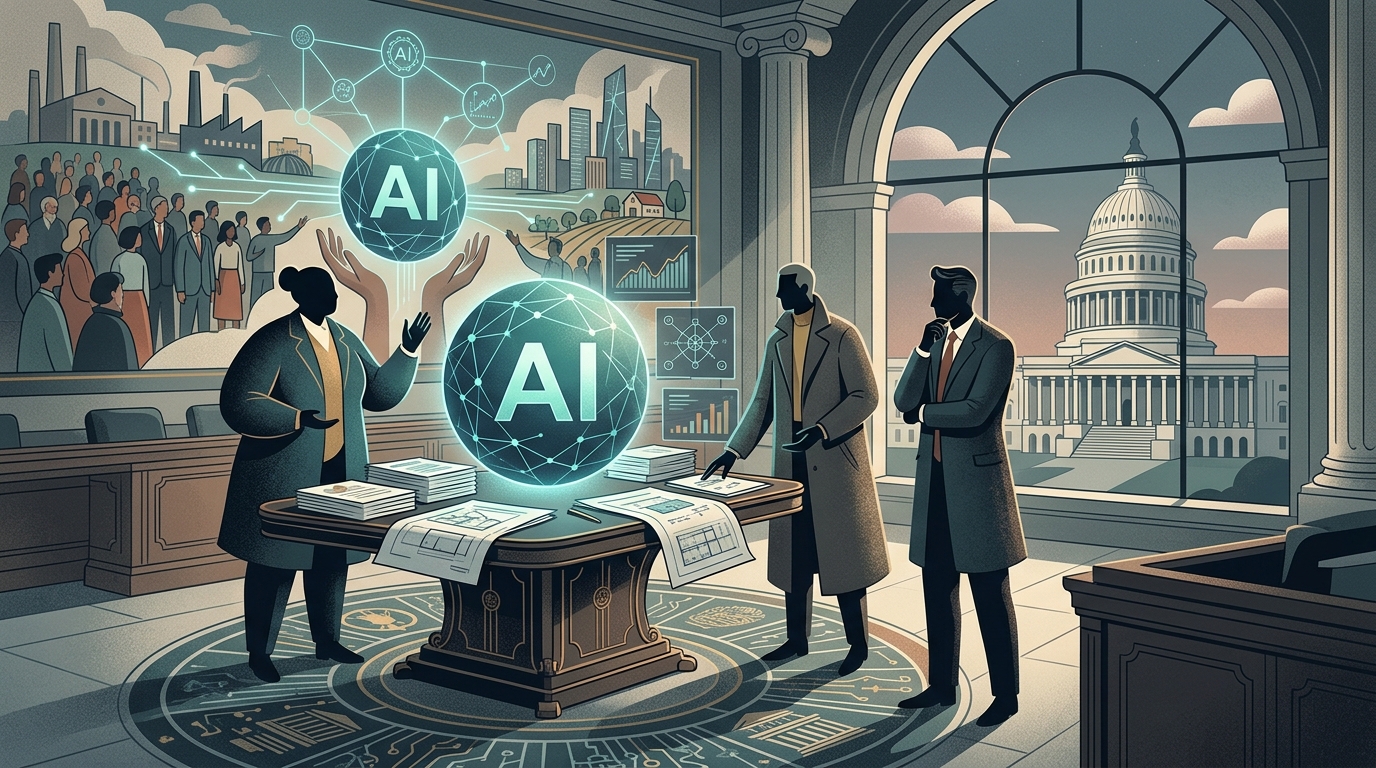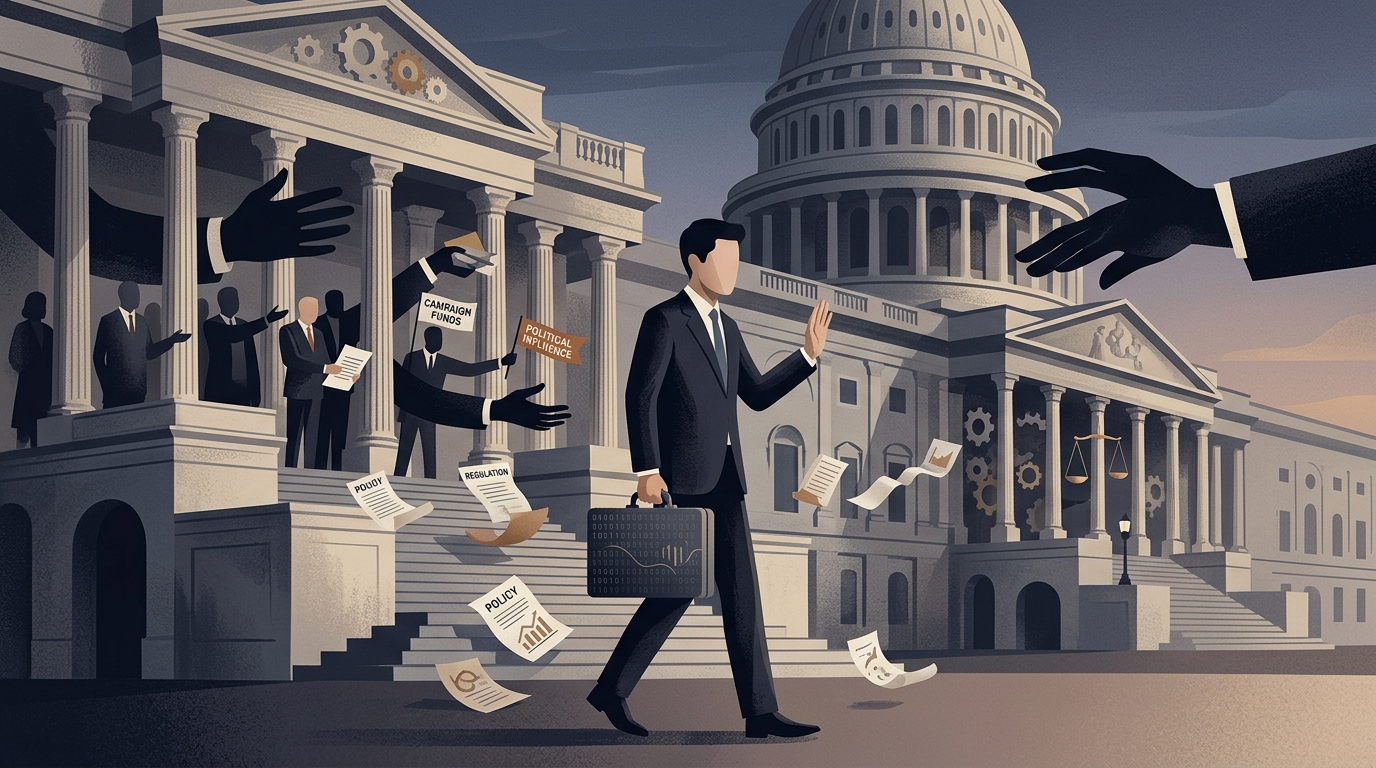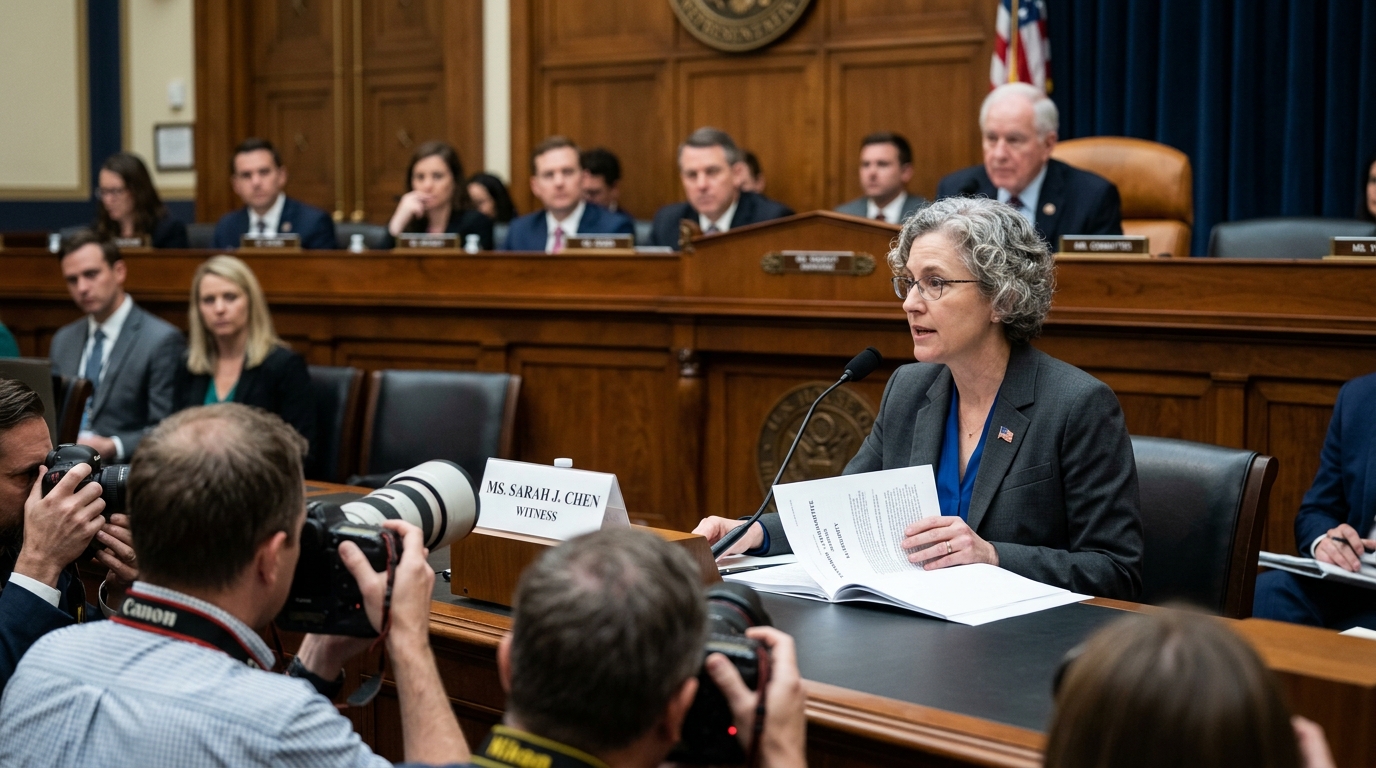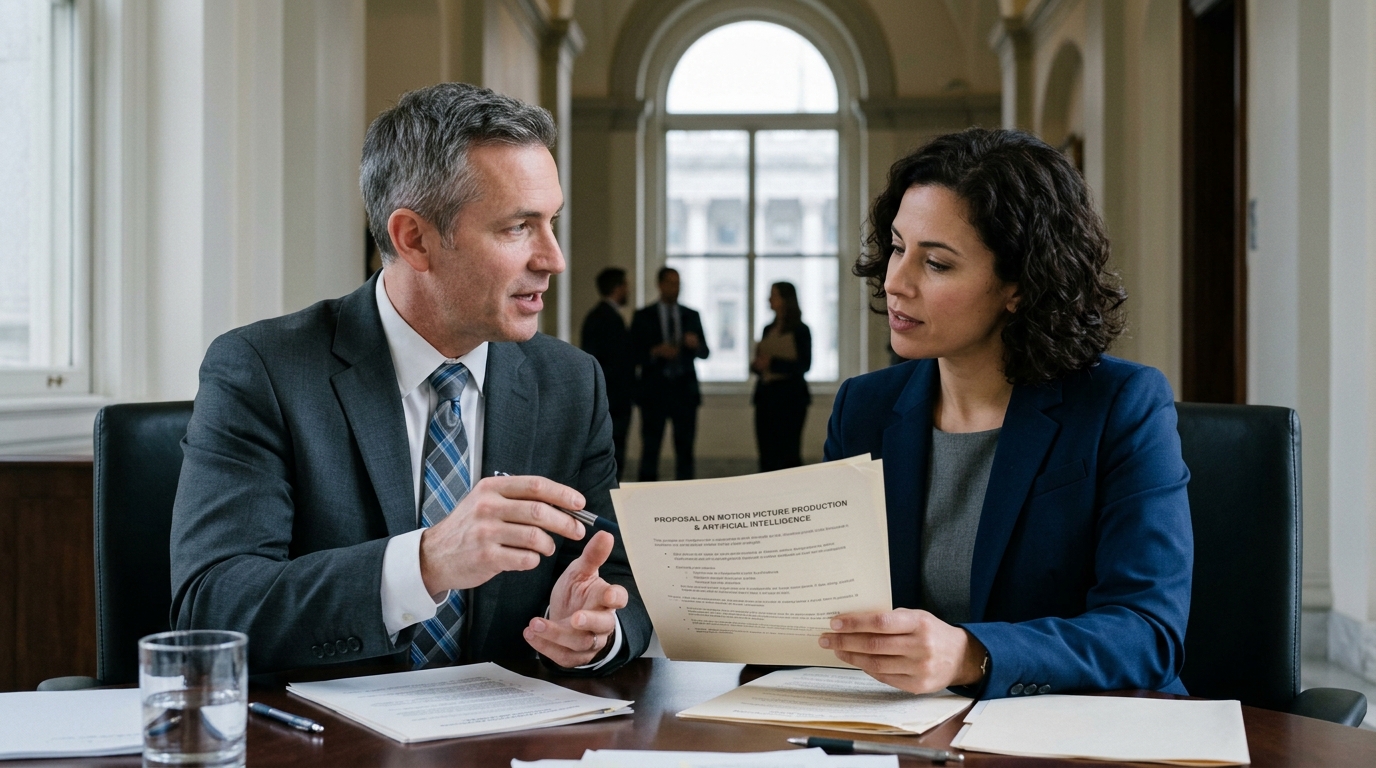
In an era where digital technology is redefining the very essence of creativity, the Motion Picture Association (MPA)—the powerful trade group representing the world’s major film studios—finds itself at the vanguard of a historic transition. The concept of "responsible innovation" is no longer just a public relations slogan; it has become an existential necessity for the entertainment industry. As we navigate through 2026, the collision between traditional intellectual property and generative artificial intelligence has entered a phase of mature negotiation, with the MPA leading the charge for a regulatory framework that protects creators without stifling technological progress.
The Battle Over Training Data and Copyright
The central point of friction remains the use of copyrighted content to train large language models (LLMs) and image/video generators. The MPA has consistently argued that the unauthorized ingestion of films and television series to "feed" AI constitutes a clear violation of copyright law. However, their stance has evolved. Instead of calling for a blanket ban, the industry is now advocating for a licensing model, similar to the one implemented in the music industry two decades ago.
According to recent statements from MPA leadership, responsible innovation requires transparency. Studios are demanding that technology companies disclose exactly what data was used to train their models. This transparency is the first step toward creating a fair ecosystem where creators are compensated for their contribution to the development of new AI tools. The legal battle hinges on the interpretation of "fair use," with the MPA asserting that the commercial exploitation of AI-generated art derived from pre-existing material cannot be considered transformative without the original owner's consent.
Digital Replicas and the Protection of Human Identity
Another critical pillar of the MPA’s strategy involves protecting the "digital persona" of actors and performers. With the proliferation of deepfakes and AI-generated performances, the need for legislative intervention has become urgent. The MPA has been a vocal supporter of initiatives like the NO FAKES Act in the United States, which aims to prohibit the unauthorized digital replication of an individual's voice or likeness.
- Protecting the Right of Publicity at a federal level to ensure consistency across states.
- Ensuring that actors maintain ultimate control over their digital twins and virtual performances.
- Defining clear boundaries between artistic satire, protected by the First Amendment, and commercial exploitation without consent.
This approach does more than just protect Hollywood stars; it sets a global standard for the ethical use of AI in content creation. The MPA maintains that technology should serve as a tool for augmenting human creativity, rather than a means of replacing it entirely.
AI as a Production Tool and the New Economy of Entertainment
Despite the legal and ethical concerns, the MPA acknowledges that AI offers unprecedented opportunities for reducing production costs and enhancing visual effects (VFX). From automated color grading to the creation of complex digital environments, AI allows creators to envision stories that were previously financially out of reach. Responsible innovation, in this context, means integrating these tools in a way that respects labor agreements and enhances the quality of the final product.
"Artificial intelligence is not the enemy of art, but a new canvas. Our responsibility is to ensure that this canvas is not built upon the wreckage of our creators' rights," a senior executive from the association recently remarked.
In conclusion, the Motion Picture Association is attempting a delicate balancing act. On one side, it must satisfy the shareholders of major studios looking for profitability through technology; on the other, it must preserve the integrity and value of the content that forms the foundation of its existence. The future of cinema will depend on whether this vision of "responsible innovation" can successfully transform AI from a perceived threat into a valuable ally of the human imagination.