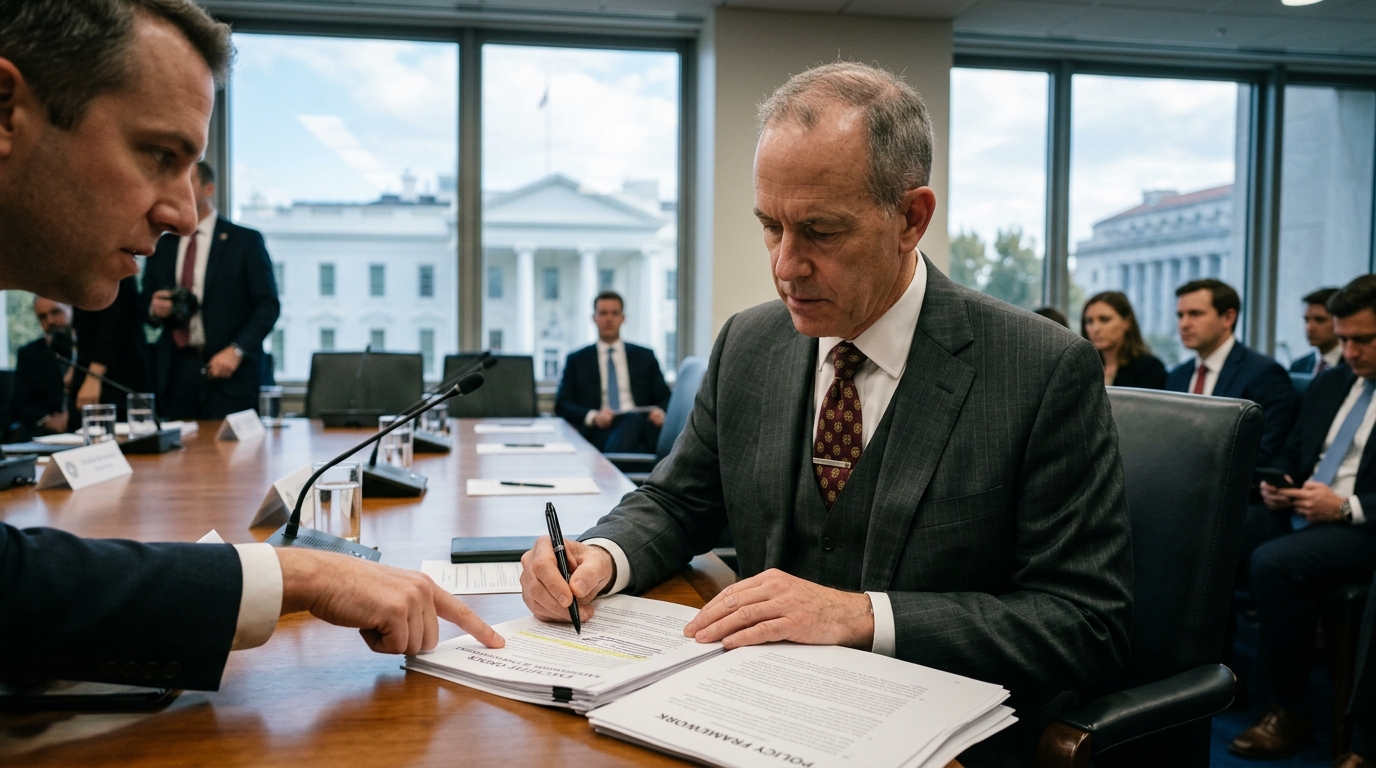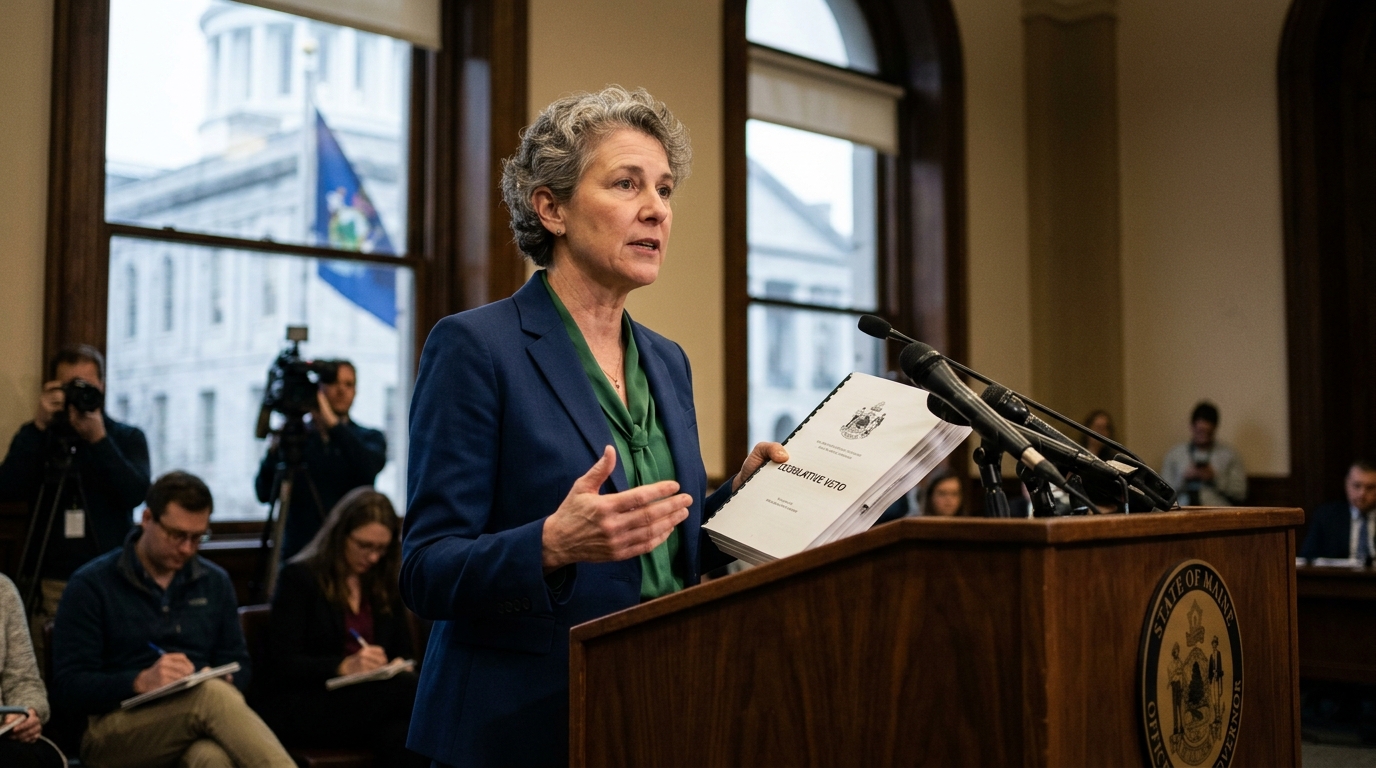
In a move that highlights the escalating tension between technological advancement and environmental sustainability, Maine Governor Janet Mills has vetoed LD 1836. This legislation sought to impose a temporary moratorium on the development of large-scale data centers designed for Artificial Intelligence, citing concerns over the massive energy and water consumption required by such infrastructure.
A Conflict of Priorities: Economy vs. Environment
Governor Mills' decision was not entirely unexpected for those following her administration’s focus on economic growth, but it sparked sharp criticism from environmental groups and local advocates. In her veto message, the Governor argued that Maine cannot afford to be left behind in the global digital race. She contended that existing regulatory frameworks are sufficient to manage the impacts of these facilities and that a blanket moratorium would send a chilling message to tech investors, potentially stifling high-skilled job creation.
However, proponents of the bill point out that AI-specific data centers are not merely "digital warehouses." They require extraordinarily dense computing power, which translates into a disproportionately large demand on the electrical grid. In a state like Maine, where the grid is already under strain and climate goals are ambitious, the addition of such massive loads could derail the green transition or drive up electricity costs for everyday consumers.
The Unique Footprint of Artificial Intelligence
Why is AI being singled out so aggressively? The answer lies in the hardware demands of modern Large Language Models (LLMs). While a traditional cloud data center might operate with relatively steady loads, AI training and inference require specialized GPUs (Graphics Processing Units) that generate immense heat. This necessitates sophisticated cooling systems, often involving millions of gallons of water or vast amounts of electricity for HVAC systems. LD 1836 was an attempt to give legislators time to study these impacts before the landscape was irrevocably altered.
- AI data center energy consumption is projected to triple by 2030 globally.
- Maine’s cool climate makes it attractive for natural cooling, but grid infrastructure remains a bottleneck.
- Governor Mills advocates for a case-by-case review process rather than horizontal prohibitions.
Political and National Implications
The veto reflects a broader trend across the United States, where Democratic governors are struggling to balance a "green" agenda with the necessity of fostering a tech-driven economy. The criticism Mills faces from within her own party in Maine reveals a deep rift: on one side, the realpolitik of capital attraction, and on the other, the ecological anxiety regarding resource depletion.
"We cannot close the door on the future because we fear its challenges. We must manage them with wisdom, not with bans," stated a source close to the Governor's office.
Conversely, activists warn that without a clear, restrictive framework, Maine risks becoming a "battery" for Big Tech giants, providing the resources without retaining the benefits for the local community. The conversation now shifts toward strengthening environmental oversight during the permitting process, as the moratorium path appears closed for the foreseeable future.
Conclusion
The situation in Maine serves as a microcosm of the global challenge posed by AI infrastructure. As the demand for compute power skyrockets, local jurisdictions must decide whether to sacrifice natural resources for a spot on the digital map. Janet Mills’ veto is a vote of confidence in technological growth, but it leaves open the question of how to protect the environment in an era where AI is increasingly resource-hungry.