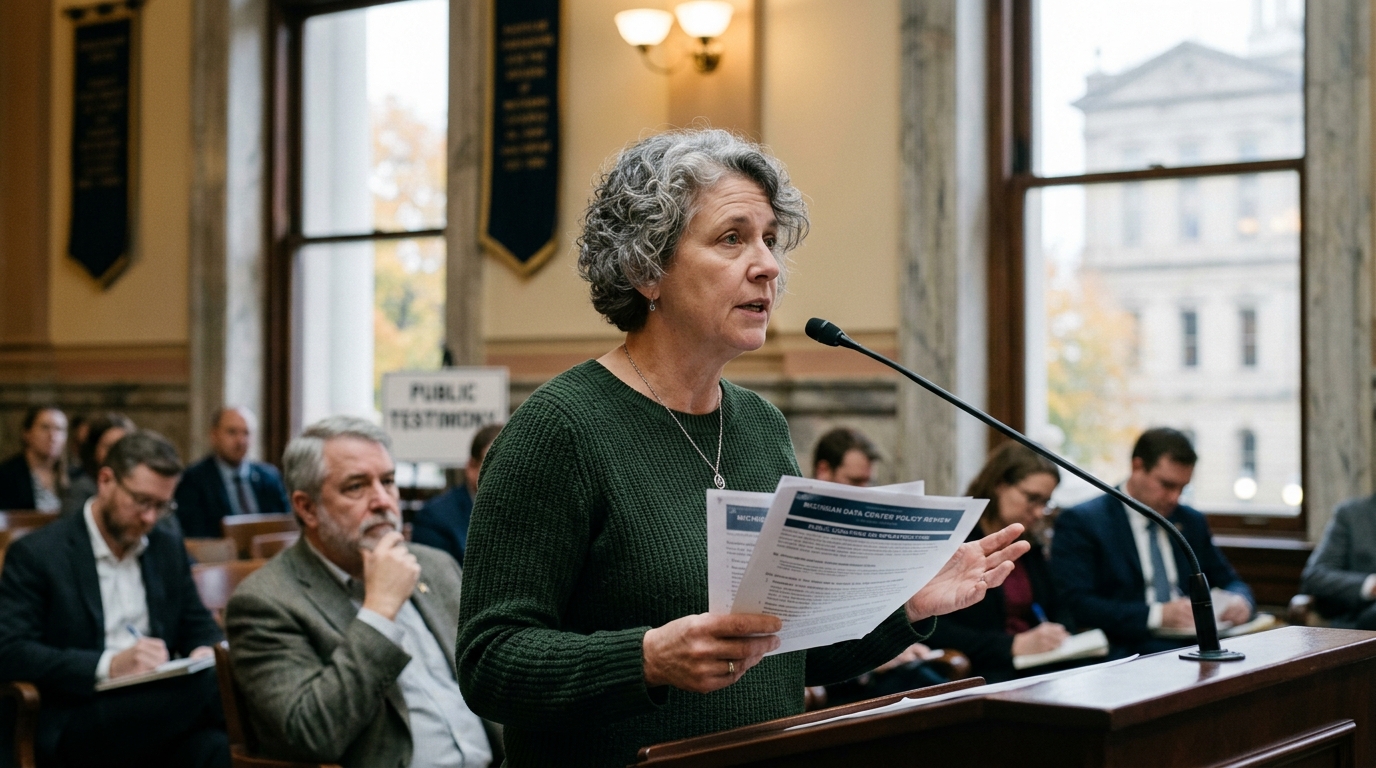
Michigan, historically the engine room of the American automotive industry, stands at a pivotal crossroads. As the global economy pivots from internal combustion engines to artificial intelligence algorithms, the demand for data infrastructure has become urgent. However, a recent poll highlighted by govtech.com reveals a significant roadblock: Michigan voters do not want data centers in their backyards. This surge in NIMBYism (Not In My Backyard) underscores a profound disconnect between the developmental ambitions of state leadership and the lived concerns of local communities regarding their quality of life and natural resources.
The Anatomy of Opposition
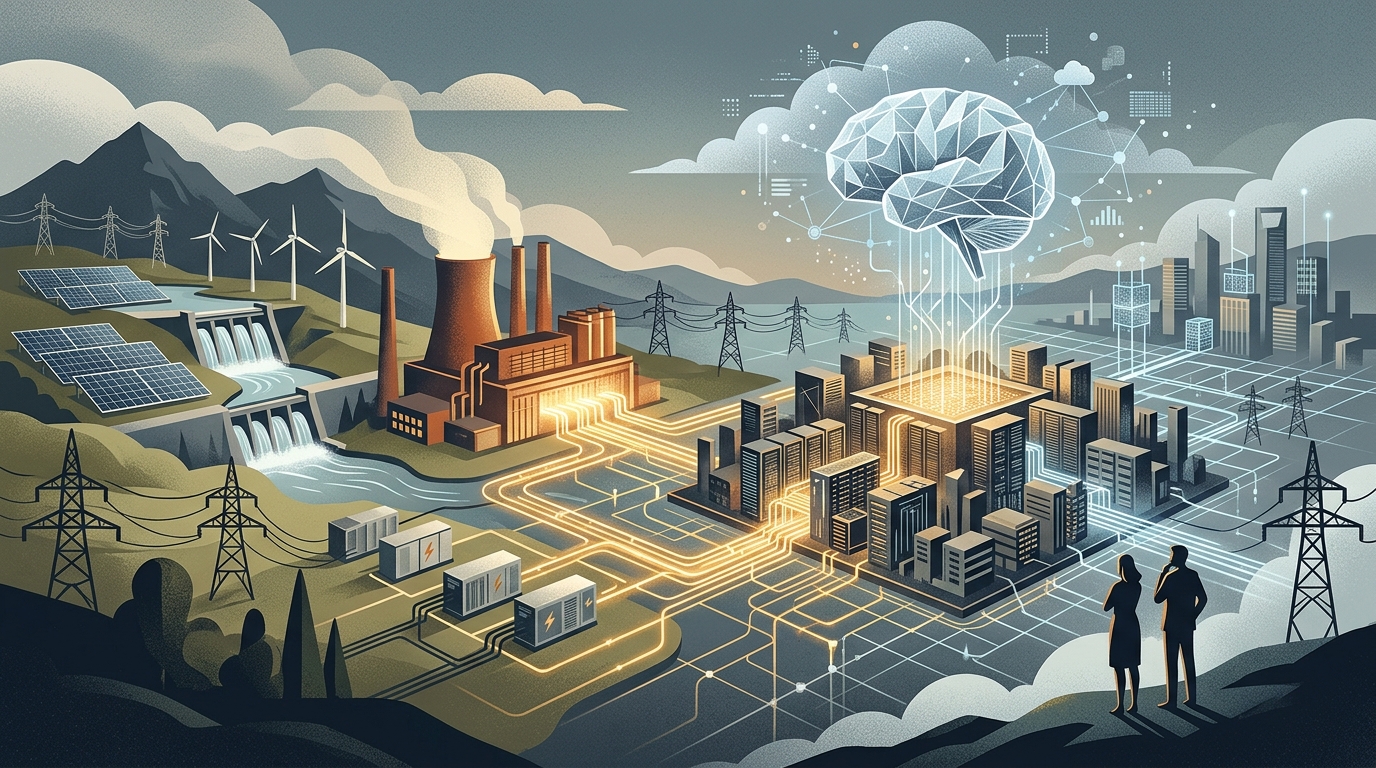
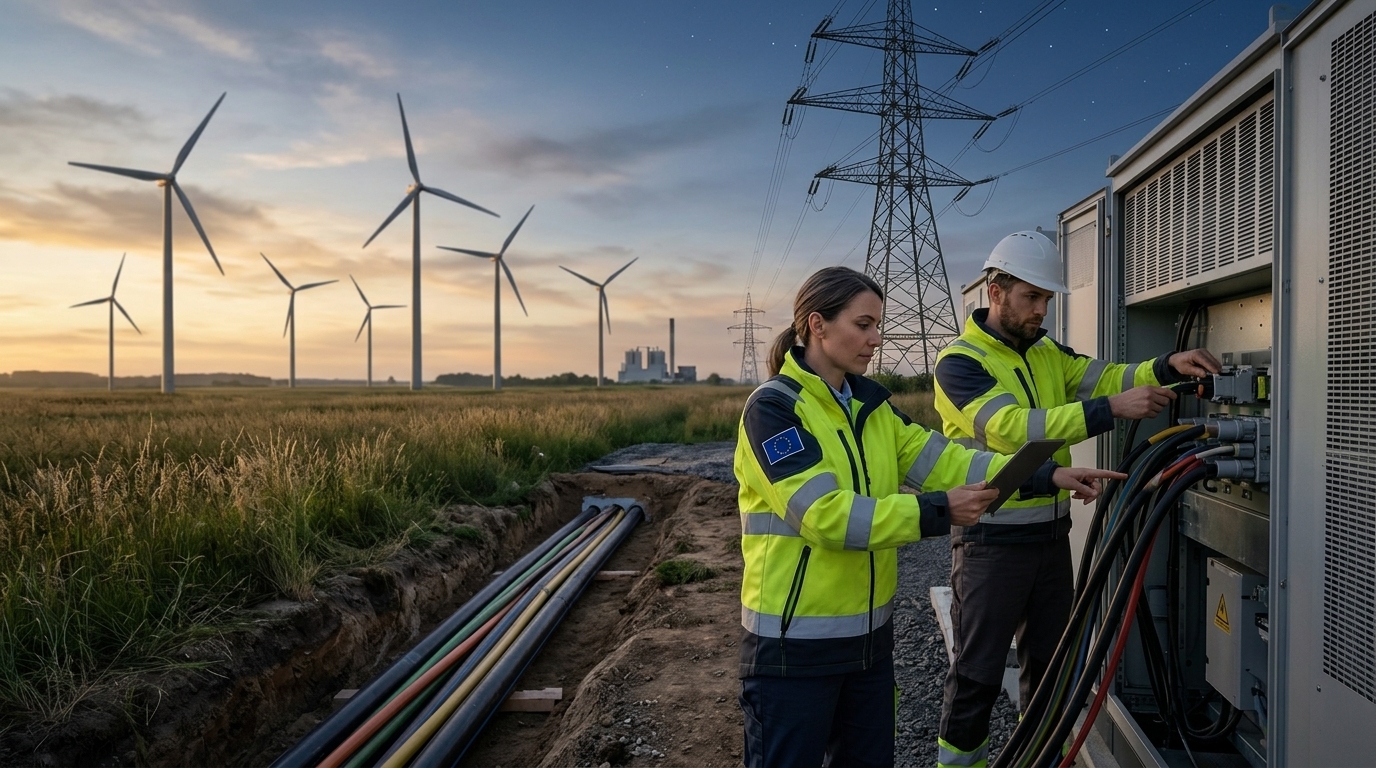
According to the survey findings, a majority of respondents express serious reservations about situating massive data centers near residential areas. The reasons extend far beyond mere aesthetics. Citizens are deeply concerned about the staggering energy consumption these facilities require, fearing that the resulting strain on the electrical grid will lead to price hikes or grid instability. Furthermore, the issue of water management—crucial for cooling the thousands of servers housed within these structures—is a flashpoint in a state that, despite the abundance of the Great Lakes, remains hyper-sensitive to environmental stewardship.
Noise pollution is another growing grievance. The industrial-scale cooling fans of data centers operate 24/7, generating a low-frequency hum that can permeate nearby neighborhoods. For many Michiganders, the promise of "digital progress" feels like an intrusion that offers little tangible benefit to their daily lives while actively degrading their environment.
The Political and Legislative Battleground
Governor Gretchen Whitmer and tech advocates in Lansing are pushing for legislation that would offer substantial tax breaks to technology firms. The argument is straightforward: if Michigan fails to provide competitive incentives, multi-billion dollar investments will simply migrate to neighboring states like Indiana or Ohio. However, the poll indicates that voters are skeptical of these corporate handouts. Many believe that Big Tech giants already possess more than enough capital and should not be subsidized by taxpayers, especially when the long-term jobs created are relatively few compared to the sheer physical footprint of the facilities.
- Proposed legislation, such as Senate Bill 237, aims to extend sales and use tax exemptions for data center equipment.
- Critics argue that the lost tax revenue could be better spent on schools, roads, and local public services.
- Environmental concerns are mounting as data centers' massive power needs often clash with the state's aggressive clean energy goals.
The political pressure is palpable. Local officials find themselves caught between the necessity of attracting new investment and the vocal opposition of their constituents.
"We cannot sacrifice the quality of life of our residents for the sake of Silicon Valley's algorithms,"stated a representative of a local advocacy group, capturing the sentiment prevalent across many Michigan townships.
AI as an Accelerator of Friction
The explosion of Generative AI has fundamentally changed the calculus. AI models require significantly more computational power than traditional cloud services, meaning new data centers must be larger and more hardware-dense. This translates to even greater demands for electricity and water. Michigan, with its industrial heritage and access to water, appears ideal to tech companies, but residents are beginning to calculate the true cost of being an "ideal" location.
This is not merely a local issue. The resistance in Michigan is part of a broader national and global trend. From Northern Virginia's "Data Center Alley" to the outskirts of Dublin, communities are questioning a growth model that relies on the relentless expansion of digital infrastructure without clear, localized social benefits. The challenge for Michigan will be to find a middle ground: to embrace the technological future without alienating its citizens, ensuring that the digital age does not leave behind a new kind of "Rust Belt" characterized by environmental depletion and social displacement.