In a strategic fusion of social advocacy and technological foresight, Melania Trump recently hosted the "AI Challenge" awards, an initiative designed to spotlight innovative solutions from students and educators in the field of Artificial Intelligence. The event, held at Mar-a-Lago, was more than just a ceremony; it was a definitive statement on the trajectory of American education in an era increasingly defined by algorithms.
The Evolution of the 'Be Best' Agenda
This initiative represents a significant evolution of the "Be Best" campaign, which during Melania Trump's tenure in the White House focused primarily on child well-being and online safety. Now, in 2026, she appears to recognize that the well-being of the youth is inextricably linked to their ability to navigate, understand, and master AI. Participants in the AI Challenge were tasked with presenting projects that leverage AI to solve real-world problems in their local communities, ranging from personalized learning tools for students with disabilities to optimizing resource management in rural schools.
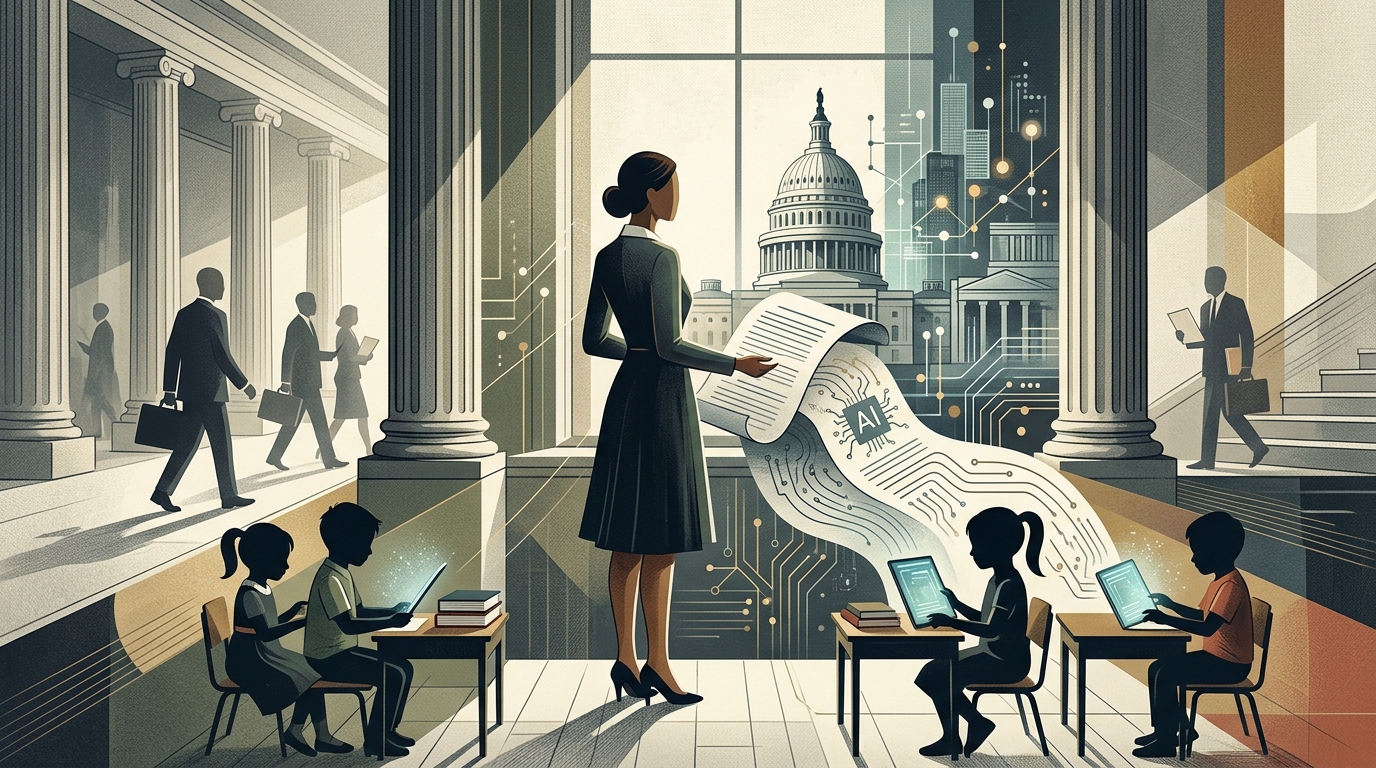
The inclusion of educators in the initiative highlights a critical necessity: the upskilling of teachers. As generative AI tools have flooded classrooms, the lack of a cohesive national framework for ethical use and implementation remains a glaring gap. Through these awards, Mrs. Trump attempts to fill this void, promoting models of excellence that can be scaled nationwide. This focus on the "human element" of technology is a recurring theme in her recent public engagements.
Policy Implications and the Digital Divide
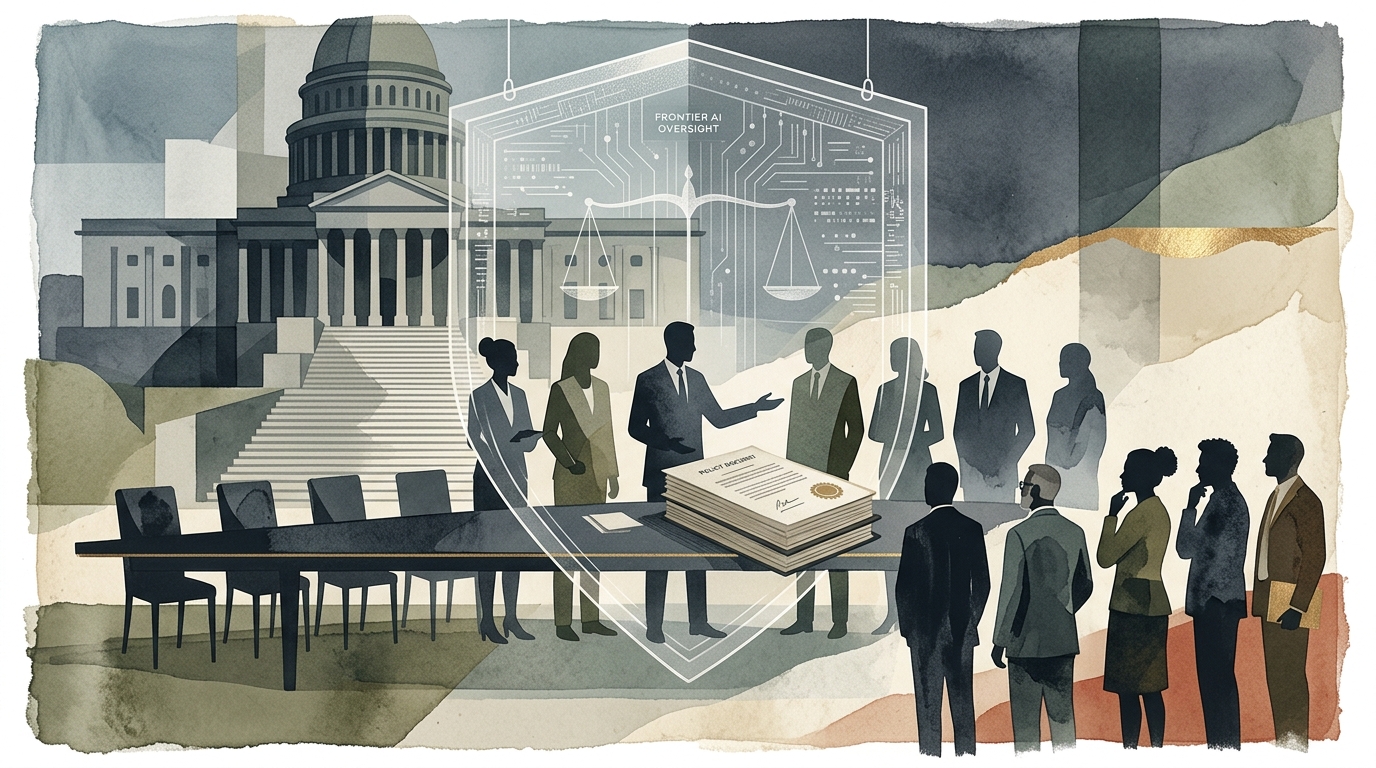
Melania Trump's foray into AI policy is not without political weight. In a time of intense polarization, technology stands as one of the few sectors where broad consensus exists regarding its importance for national security and economic competitiveness. However, the former First Lady’s approach emphasizes "individual empowerment" over state-mandated regulation, reflecting traditional conservative principles. By framing AI literacy as a tool for personal success, she aligns the technology with the American dream.
A central theme of the event was the digital divide. There is a growing concern that AI, rather than acting as a great equalizer, could exacerbate existing inequalities between affluent schools and those in underserved districts. The AI Challenge awards specifically recognized projects from underprivileged areas, reinforcing the idea that access to advanced technological education should be a fundamental right rather than a luxury for the elite.
The Future of Education: Beyond the Algorithm
Critics often argue that such high-profile initiatives focus too much on the glamour of technology while overlooking the underlying pedagogical challenges. However, an analysis of the winning projects suggests a deeper level of engagement. Students were not merely using AI to automate tasks; they were developing predictive models and data analysis tools. This shifts the focus from passive consumption to active creation, a vital distinction for the future workforce.
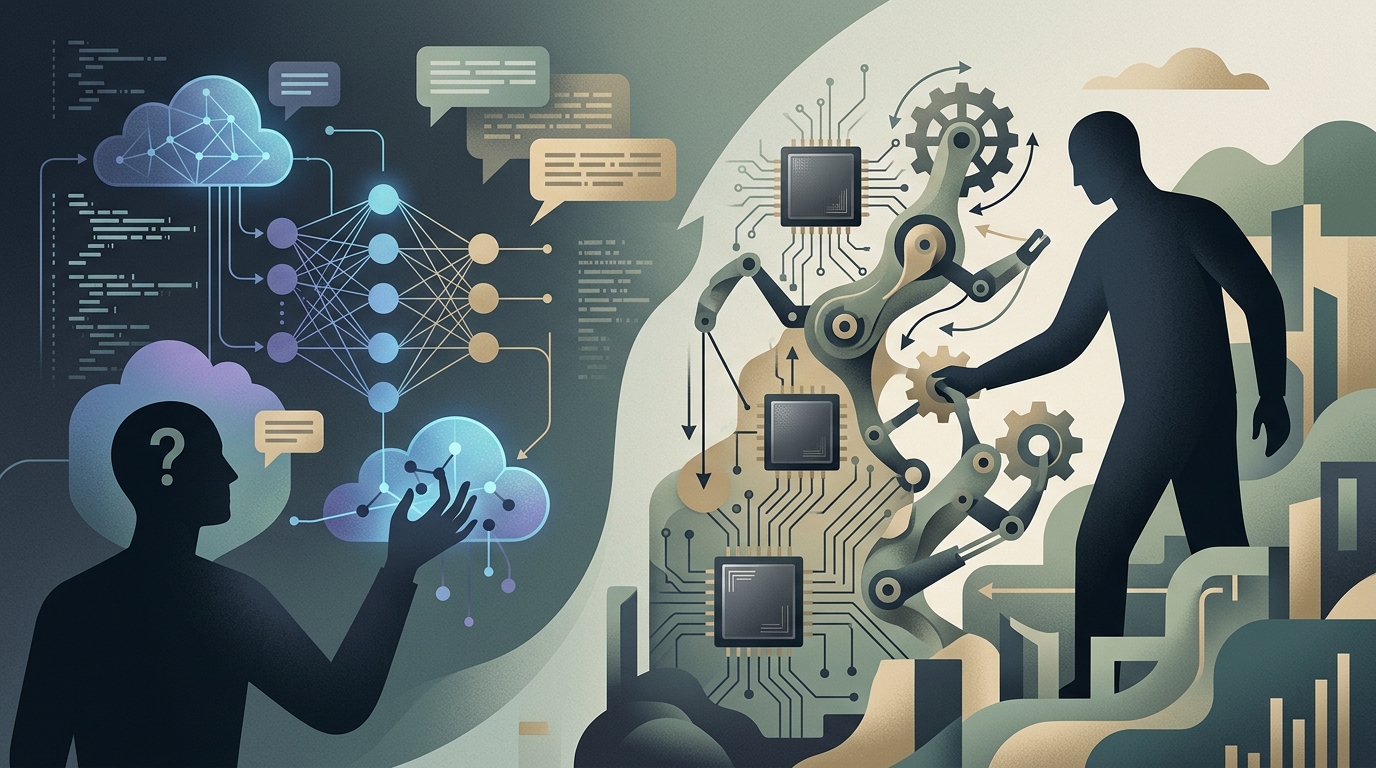
According to policy analysts, this move by Melania Trump could serve as a catalyst for a more structured debate on integrating computer science and AI into the national curriculum. As the United States competes with global powers like China for technological supremacy, the preparation of the future workforce begins in elementary school. The Mar-a-Lago event served as a reminder that AI policy is not just about semiconductors and supercomputers; it is fundamentally about the people who will operate them.
"Artificial Intelligence is not just a tool; it is the new language of our world. We must ensure our children speak it fluently and ethically," Mrs. Trump stated during her keynote address.
In conclusion, the AI Challenge awards represent a pivotal moment for Melania Trump’s public profile and for the broader discourse on educational policy. They highlight the need for an approach that balances innovation with ethical responsibility, laying the groundwork for a generation that does not fear the future but actively shapes it. As the political landscape evolves, the intersection of celebrity, education, and technology will likely remain a key battleground for influence.