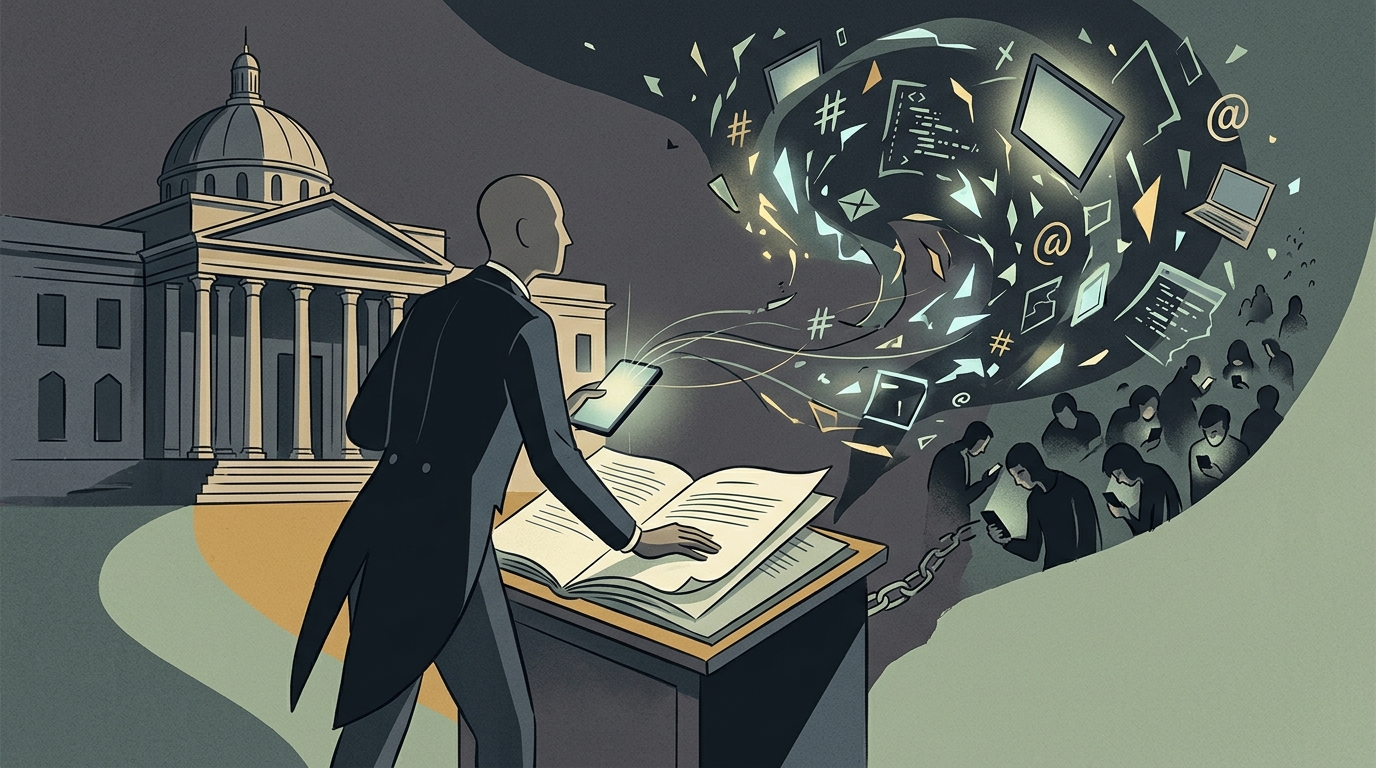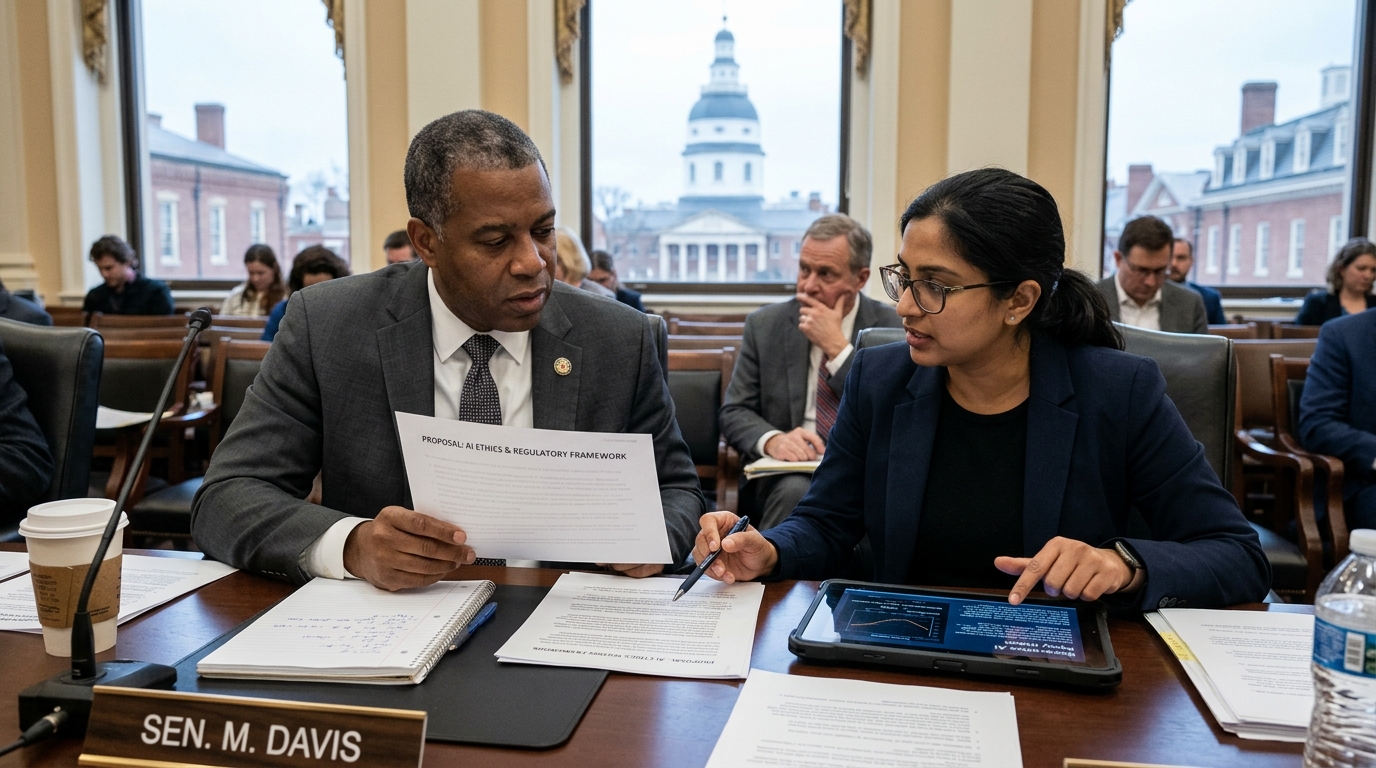
In an era where Artificial Intelligence (AI) is no longer a futuristic promise but a daily reality, the state of Maryland is making a strategic move that is expected to reshape the landscape of public administration. The launch of the Innovation Lab for Artificial Intelligence is not merely a bureaucratic addition; it is a bold attempt to harness the power of large language models and predictive algorithms for the benefit of the citizenry. Led by Governor Wes Moore, this initiative aims to transform Maryland into a beacon of responsible technological adoption at a time when the U.S. federal government is still struggling to establish a unified regulatory framework.
A Laboratory for the Public Good
The new innovation lab is designed to function as a collaborative hub between state agencies, academic institutions, and the private sector. The primary goal is to develop AI tools that will improve the efficiency of state services—ranging from automating social benefit applications to optimizing transportation systems. However, the distinguishing factor of this venture lies in its "human-in-the-loop" approach. As program officials emphasize, the technology is not intended to replace human decision-making but to augment it with data and analysis that were previously impossible to process in real-time.
Collaborations with prestigious institutions like Johns Hopkins and the University of Maryland lend the project a scientific validity often lacking in purely commercial applications. The lab will serve as a sandbox where new applications are tested for accuracy, security, and bias before being deployed on a broad scale. This model of controlled innovation is considered essential for building trust between citizens and state institutions, which has been shaken in recent years due to concerns over data privacy and algorithmic opacity.
"Artificial Intelligence is not just a tool for efficiency; it is an opportunity to redefine what public service means in the 21st century," Governor Moore stated during the lab's unveiling.
The Ethics of Algorithmic Governance
One of the most thorny issues the Innovation Lab must address is the ethical dimension of AI. It is well-documented that algorithms can replicate or even amplify biases present in their training data. In the context of public administration, a biased decision by an algorithm regarding a loan application or a housing request can have devastating consequences for vulnerable social groups. Maryland, recognizing this risk, has placed transparency at the core of the lab's operations.
The lab will develop auditing protocols for every algorithm used by the state. This includes the mandatory disclosure of data sources and the criteria used for decision-making. Furthermore, the creation of an advisory board consisting of ethicists, legal experts, and civil society representatives is planned. This move is a clear response to criticisms that AI acts as a "black box" operating without accountability. The goal is to create a standard for "responsible AI" that could be adopted by other states or even internationally, aligning with frameworks like the European Union's AI Act.
Impact on the Public Sector and the Labor Market
The introduction of AI into public administration brings with it concerns about the future of public sector jobs. Maryland's Innovation Lab does not ignore this variable. On the contrary, it proposes an extensive upskilling program for state employees. The philosophy is that AI will handle repetitive and energy-intensive tasks, allowing employees to focus on more complex duties that require empathy and critical thinking.
- Process Automation: Reducing wait times for citizens in services like permit issuance.
- Predictive Infrastructure Maintenance: Using AI to predict failures in water or road networks.
- Personalized Education: Developing tools to support students in public schools based on their individual needs.
- Data Security: Enhancing the cybersecurity of state systems through threat detection algorithms.
In conclusion, Maryland's initiative represents a critical experiment for modern democracy. If successful, it will prove that the state can be as innovative as the private sector while maintaining its protective role. If it fails, it will reinforce fears of a technocratic dystopia. What is certain is that the eyes of the global tech community are on Maryland, waiting to see if AI can indeed serve the common good without sacrificing the fundamental values of justice and equality.