The news that shook the community of Libertyville, Illinois, is not merely a criminal case; it is a stark warning about the future of digital security and ethics in educational institutions. A teacher at Highland Middle School has been arrested and charged with using artificial intelligence (AI) tools to transform ordinary photos of his students into pornographic material. This incident highlights a nightmare reality: the technology that promises to revolutionize learning can become a dangerous weapon in the hands of those with access to the most vulnerable members of society.
The Timeline of the Incident and Technological Abuse
According to authorities, the defendant used publicly available photos or images taken within the school environment and, through specialized generative AI software, created false but extremely realistic child sexual abuse material (CSAM). The ease with which such tools are now accessible to the general public is the central point of concern. Advanced programming knowledge is no longer required; a subscription to a dubious platform or the use of "jailbroken" open-source models that bypass safety filters is sufficient.
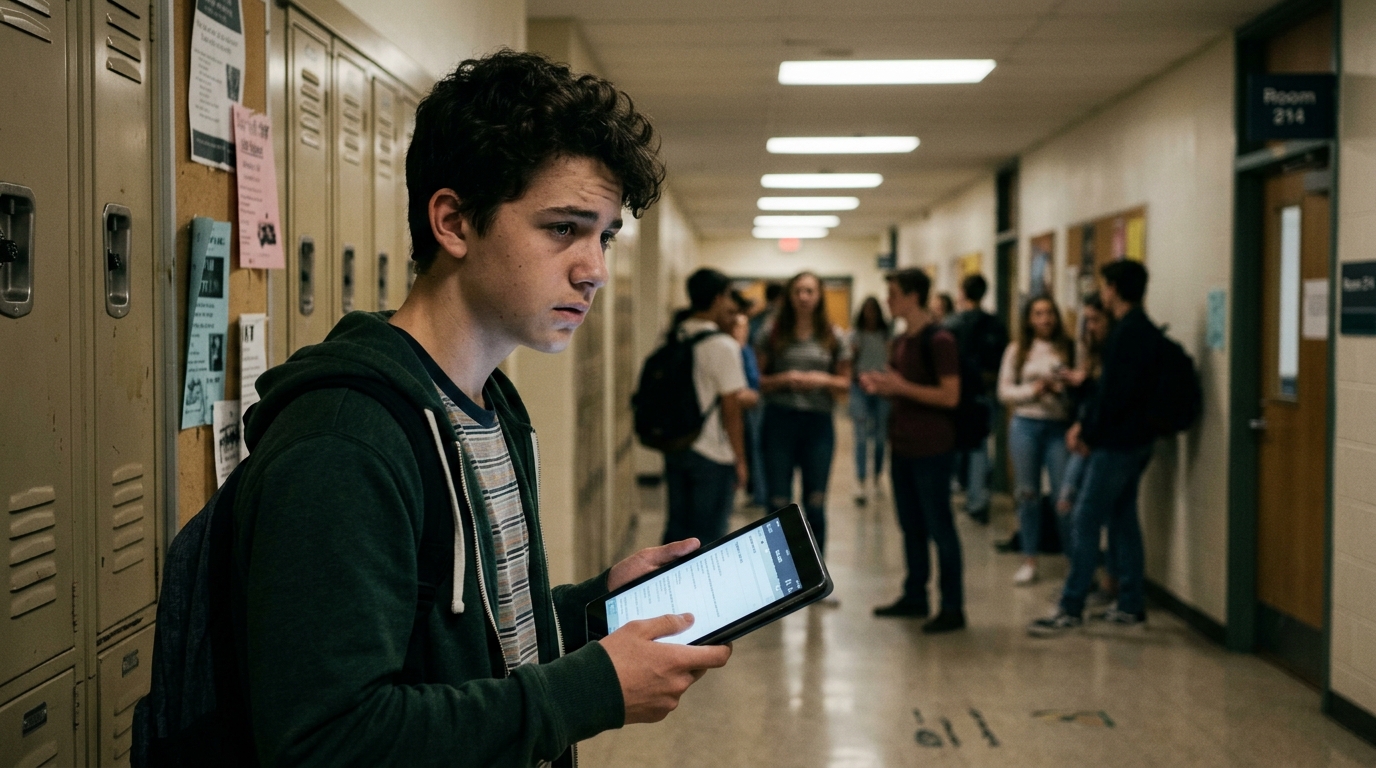
Local police and federal authorities, who collaborated on the arrest, emphasized that while the material found was "manufactured," the harm caused is entirely real. The psychological impact on the students and their families is immeasurable, as the violation of privacy and dignity takes place in an environment that is supposed to be a sanctuary of safety.
The Legal Gray Zone and Judicial Challenges
The Libertyville case brings to the fore the immense challenges facing the legal system worldwide. Many existing laws regarding child pornography are based on the existence of a "real" victim who is photographed or filmed. However, in the case of deepfakes and AI-generated content, the victim is the individual's digital identity and image. Legal experts are struggling to define whether the creation of such material constitutes abuse in the traditional sense or if a new framework is needed to criminalize the act of digital fabrication itself.
- The need for stricter legislation regarding deepfake tools.
- The responsibility of tech companies to integrate digital watermarks.
- Education for teachers and parents on recognizing such risks.
In the United States, bills like the DEFIANCE Act attempt to give victims the right to sue the creators of such content, but criminal prosecution remains complex when the tools used are anonymous or based in countries with lax regulations.
The Ethical Responsibility of Educational Institutions
Beyond the legal aspect, there is a profound ethical crisis. Schools have now become digital hubs, where student photos are uploaded to social media, school websites, and educational platforms. The Libertyville case shows that trust in staff is not enough. Strict protocols for managing student data and, above all, a culture of digital vigilance are required.
"This is not just a violation of the law, but a betrayal of the most sacred bond in our society: that between teacher and student," said a digital ethics expert.
Artificial intelligence is not inherently evil, but it acts as a multiplier of intent. When intentions are malicious, the speed and scale of destruction that AI can bring is terrifying. Society must decide if the unchecked growth of technology is worth the risk to our children's safety.
Conclusion: A Call to Action
The case in Libertyville must be a turning point. We can no longer turn a blind eye to the dark applications of artificial intelligence. A holistic approach is required, including:
- Strict regulation of access to image-generation tools that can be used for malicious purposes.
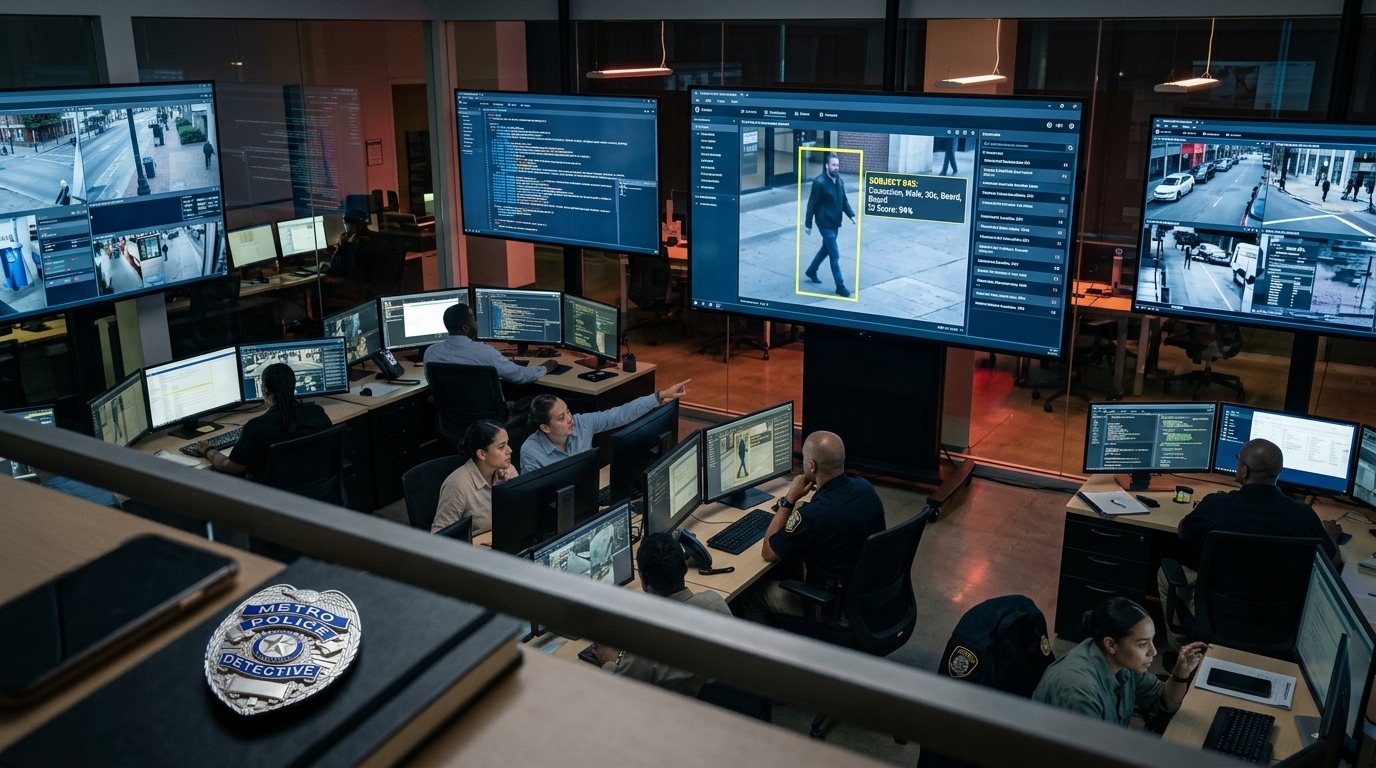
- Enhancing the capabilities of law enforcement to detect AI-generated material.
- Continuous dialogue between technologists, lawyers, and educators to fortify schools.
Protecting children in the 21st century is no longer just about physical spaces, but about every pixel that makes up their digital presence. If we fail to control the abuse of AI today, the consequences for the next generation will be irreversible.