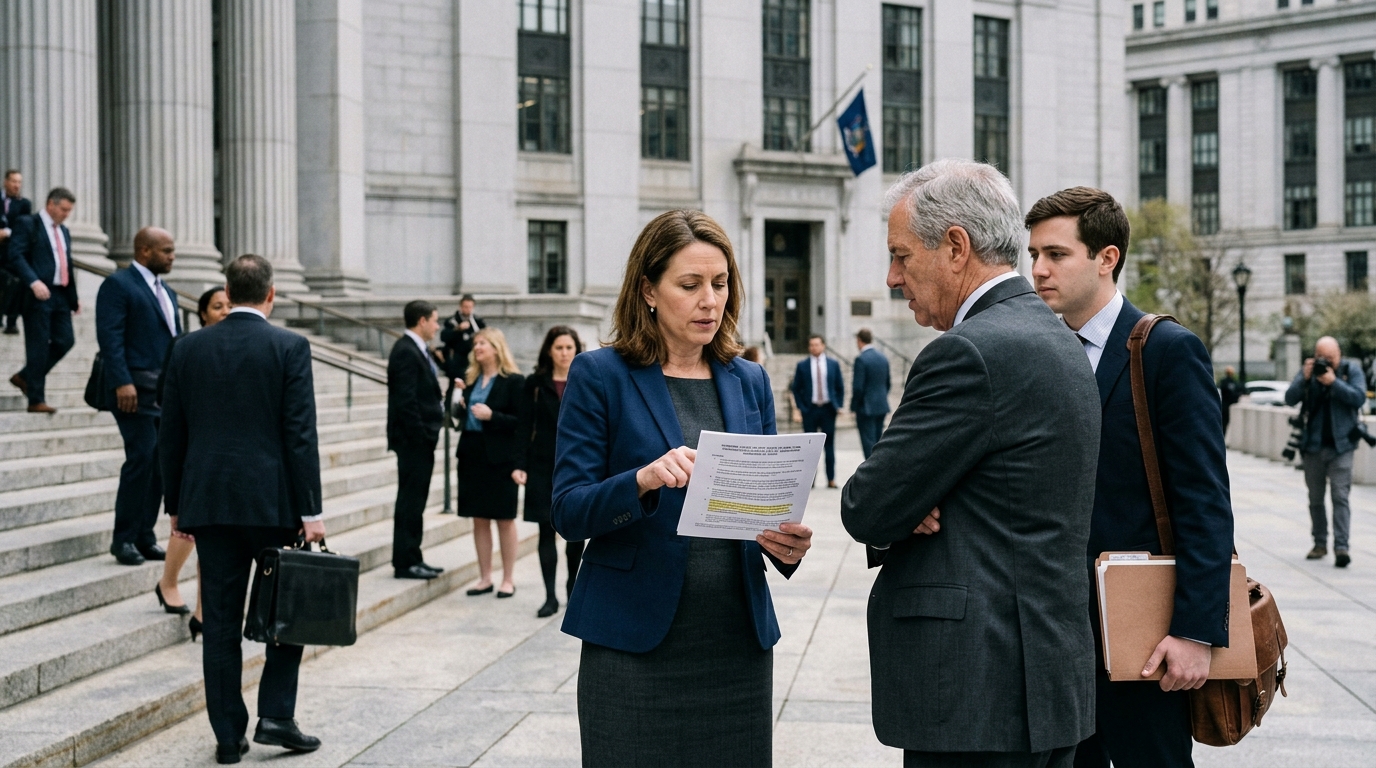
The rapid integration of Generative AI into the legal profession is no longer a futuristic concept but a daily reality reshaping the foundations of judicial practice. However, the convenience offered by tools like ChatGPT and Claude comes with significant risks, most notably the creation of fake legal citations, commonly referred to as "hallucinations." In response to these challenges, the New York State Unified Court System has issued a comprehensive new rule that establishes a framework for AI usage in courtrooms.
The Mandate for Human Verification
At the heart of the new rule lies the non-delegable responsibility of the attorney. According to the updated guidelines, any lawyer submitting documents drafted or researched with the assistance of AI tools must certify in writing that they have verified the accuracy of every citation and legal claim. This is not merely a formality; it is a critical safeguard against the propensity of Large Language Models (LLMs) to fabricate judicial decisions that do not exist.
New York’s move follows the global shockwaves sent by the Mata v. Avianca case, where attorneys used ChatGPT to draft a brief that ultimately contained six fictitious court rulings. The court imposed heavy sanctions, delivering a clear message: technological illiteracy is no excuse for misleading the court. The new rule codifies this ethical obligation into a formal institutional requirement.
Transparency and Disclosure: The New Protocol
Beyond verification, the rule introduces the concept of "mandatory disclosure." Judges now possess the discretionary authority to require litigants to state whether AI was utilized in the preparation of their filings. This creates a new tier of transparency where technology is not banned but must be visible and auditable.
- Certification of Accuracy: Every filing containing AI-generated material must be accompanied by a statement confirming a human attorney has cross-referenced the sources.
- Signatory Liability: An attorney’s signature on a pleading is now viewed as a guarantee that AI was employed responsibly.
- Sanctions: Failure to comply can result in financial penalties, the striking of pleadings, or potential disciplinary proceedings.
Ethical Implications and Professional Competence
The implementation of this rule touches the core of legal ethics. The Model Rules of Professional Conduct require attorneys to maintain "technological competence." In the landscape of 2026, this implies that a lawyer can no longer claim ignorance of how an algorithm functions. Understanding the limitations of AI is now as vital as knowing the rules of civil procedure.
Furthermore, confidentiality concerns remain paramount. Inputting sensitive client data into public AI models could potentially breach attorney-client privilege. The New York rule serves as a stark reminder that technology must serve the values of justice, rather than undermining them for the sake of speed or cost-efficiency.
"Artificial Intelligence is an extraordinary assistant but a dangerous master. The responsibility for the administration of justice remains exclusively human."
Conclusion: The Future of the Legal Profession
The New York courts' new AI rule is not a barrier to innovation but a roadmap for its safe integration. Law firms must now invest in training and internal auditing protocols. The era of "blind trust" in algorithms has ended. In New York, and soon across the globe, AI in justice will be judged by the human oversight that guides it.