Anthropic, once a pioneer in supporting the first wave of AI safety laws in the US, is shifting gears. Despite backing transparency mandates in California and New York last year, the company now argues those measures are insufficient to keep pace with the rapidly advancing capabilities of frontier AI models.
Beyond Transparency
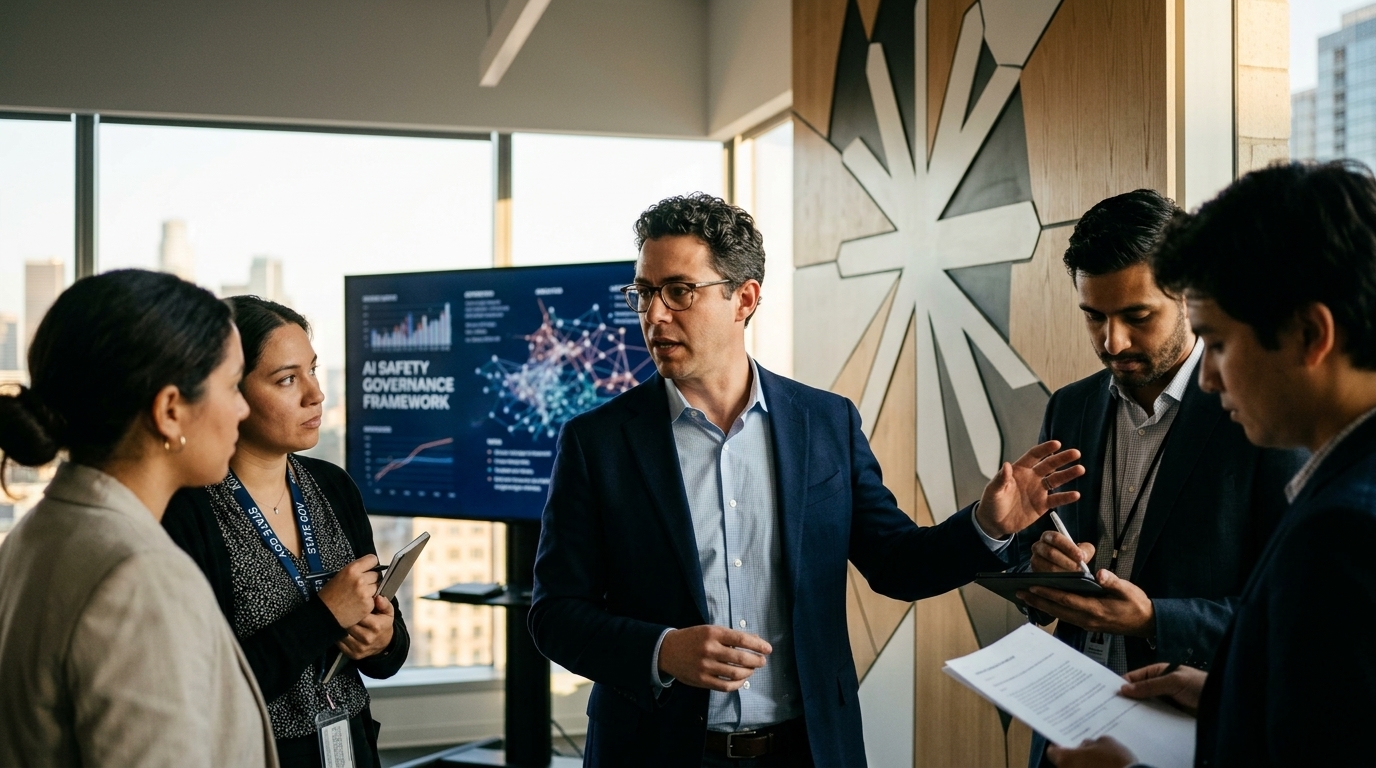
According to Cesar Fernandez, Anthropic’s head of US state and local government relations, the transparency-focused bills of 2025 were merely a starting point. The company is now pushing for tougher regulations, including an Illinois measure requiring safety evaluations by third-party auditors and a Massachusetts policy that empowers the state’s attorney general to seek injunctive relief against non-compliant firms.
Fernandez emphasizes that self-reporting and transparency are no longer adequate safety measures for the most powerful systems. Anthropic’s focus is on mitigating catastrophic risks—such as financial disasters or mass casualties—arguing that any developer building models at this scale should be subject to the same rigorous standards.
The Regulatory Capture Debate
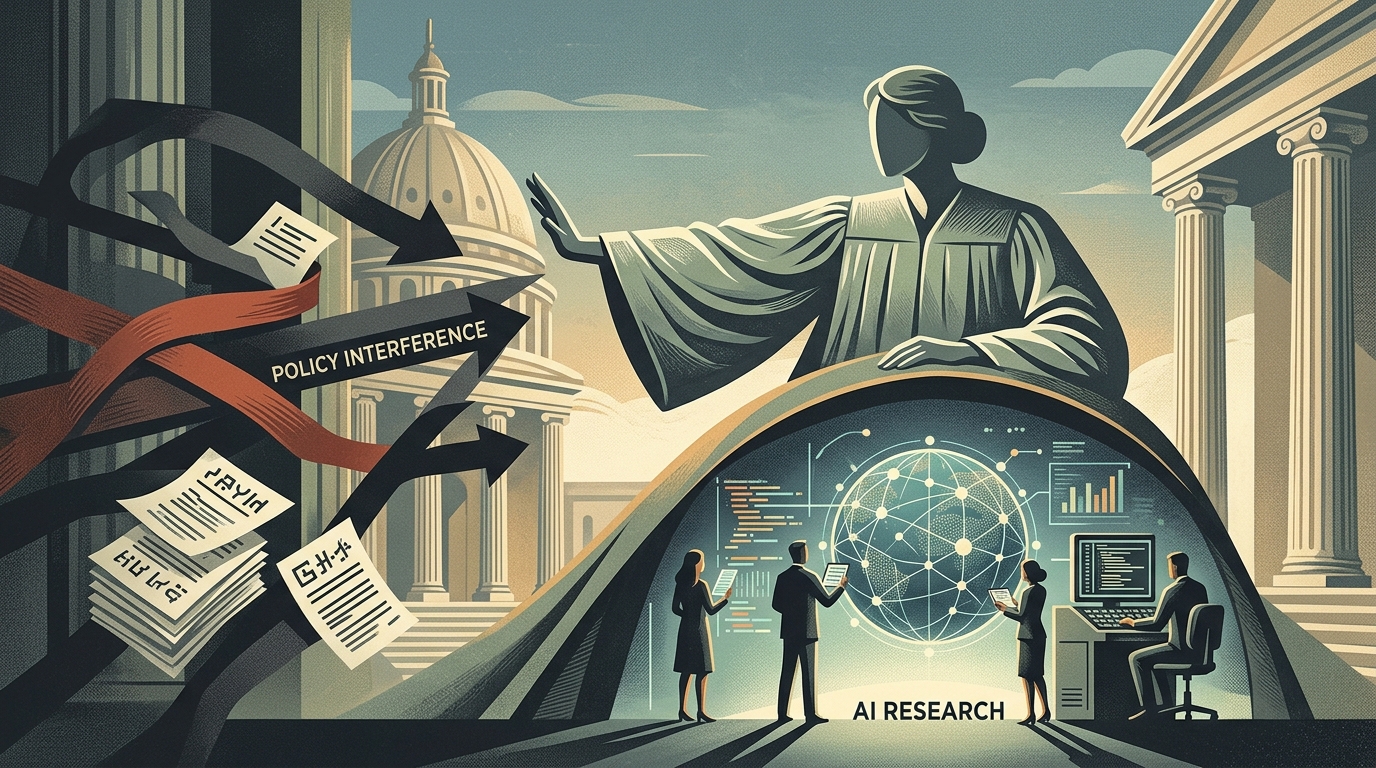
Anthropic’s pro-regulation stance has drawn fire from Silicon Valley. David Sacks, technology adviser to President Donald Trump, has accused the company of a "sophisticated regulatory capture strategy," claiming it seeks to drown smaller startups in red tape to secure its market lead. Fernandez denies this, noting that the endorsed bills typically target companies with over $500 million in annual revenue and development costs in the hundreds of millions.
Geopolitics and Federal Oversight
While active at the state level, Anthropic draws a line regarding deployment bans. The company maintains that the power to block a new AI model's deployment should reside with the federal government rather than state lawmakers. This stance follows a directive from the Trump administration that led Anthropic to suspend access to its Mythos and Fable 5 models for foreign nationals.
Furthermore, the company has taken its concerns to the federal level, accusing Chinese giant Alibaba of a "distillation attack"—systematically prompting Anthropic’s models to extract information for its own AI tools. Critics argue this may be another form of regulatory capture aimed at curbing competition from Chinese open-weight models.