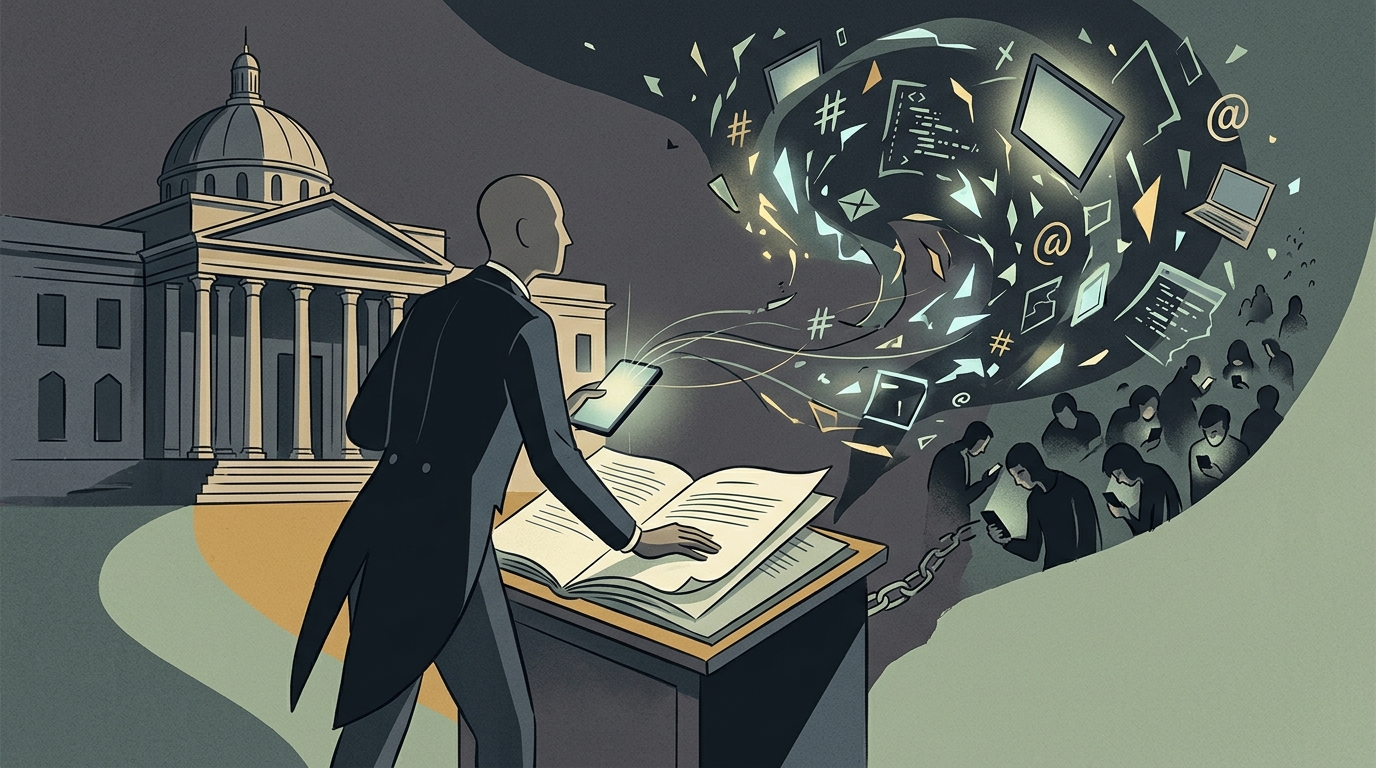
In an era where digital reality is increasingly blurred with physical existence, the Greek government, through spokesperson Pavlos Marinakis, is opening a critical dialogue on the future of democracy in the age of Artificial Intelligence (AI). Marinakis' recent statements regarding the need for user identification on the internet are not merely a reaction to current events, but a proposal for a radical restructuring of the digital social contract. The central thesis is clear: anonymity, once considered the cornerstone of online free speech, is becoming a "Trojan horse" for undermining institutions through sophisticated AI tools.
The Threat of Deepfakes and the Erosion of Trust
Artificial Intelligence has provided tools that allow for the creation of hyper-realistic fake news, known as deepfakes. As Marinakis emphasized, the ability to forge the voice or image of political figures just days before an election can cause irreparable damage to the electoral process. In an environment where the average citizen finds it difficult to distinguish truth from fabrication, trust in institutions and information collapses. The government argues that AI is no longer a future sci-fi scenario but a present threat requiring immediate institutional fortification.
The problem is exacerbated by the speed at which this content spreads. Social media algorithms often prioritize provocative and false content, as it generates higher engagement. When combined with the anonymity of the accounts distributing such content, accountability becomes practically impossible. The Greek government appears to favor an approach where freedom of speech is accompanied by the responsibility of identification, similar to how we operate in the physical world.
User Identification: Security or Surveillance?
The proposal for mandatory user identification online is one of the most controversial issues in digital policy worldwide. On one hand, the government argues that identification will act as a deterrent for "professional" purveyors of disinformation and malicious actors. If a user knows that their online actions can be linked to their real identity, the likelihood of participating in hate campaigns or spreading fake news decreases dramatically.
- Protection of Minors: Identification can help limit cyberbullying and access to inappropriate content.
- Reduction of Bots: Eliminating anonymous accounts would curb the action of automated systems that manipulate public opinion.
- Legal Accountability: It facilitates the work of law enforcement in cases of digital crime or defamation.
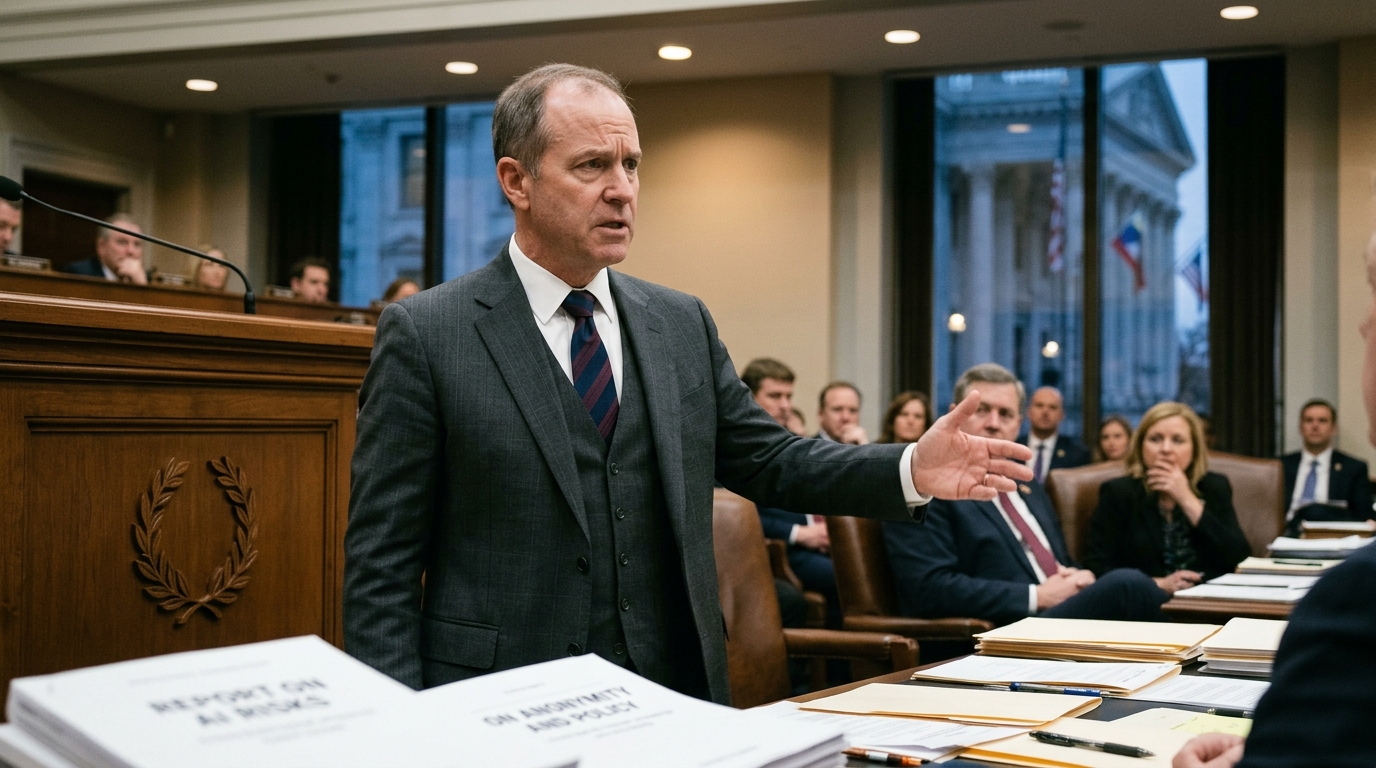
However, the other side of the coin raises serious concerns about privacy and freedom of expression. Human rights organizations warn that the removal of anonymity could lead to self-censorship, especially for individuals wishing to criticize authority without fear of retaliation. Furthermore, the question of data security arises: who will manage these identities, and how will it be ensured that there are no leaks exposing millions of citizens?
The European Context and the Greek Initiative
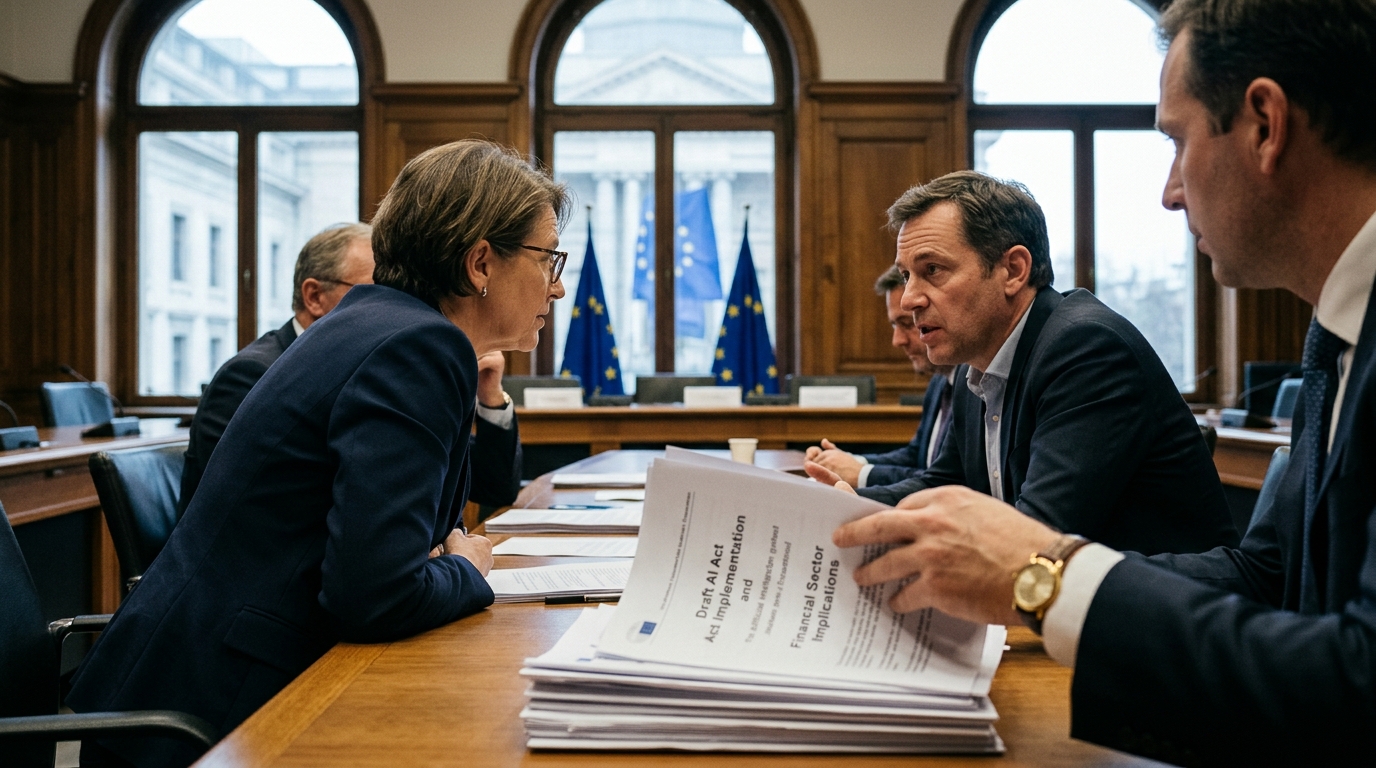
The discussion opened by Marinakis does not take place in a vacuum. The European Union has already taken significant steps with the Digital Services Act (DSA) and the AI Act. However, Greece seems to desire a more dynamic intervention at both national and European levels, considering that existing regulations may not suffice to stem the tide of digital manipulation. The proposal for identification moves along the boundaries of European values, attempting to balance the security of the rule of law with individual freedoms.
"Our democracy cannot remain unprotected against those who use technology to erode it. Being identifiable online is a matter of transparency and respect for our fellow citizens," is a sentiment often echoed in government circles.
In conclusion, the Greek government's initiative highlights the need for a sincere dialogue on how we want our digital society to look. Artificial Intelligence is a tool with immense potential but also great risks. The transition from a "wild" and anonymous internet to a digital space where identity and responsibility are present may be the necessary price for maintaining democratic stability in the 21st century. The question remains: are we ready to sacrifice a portion of our privacy to save the truth?