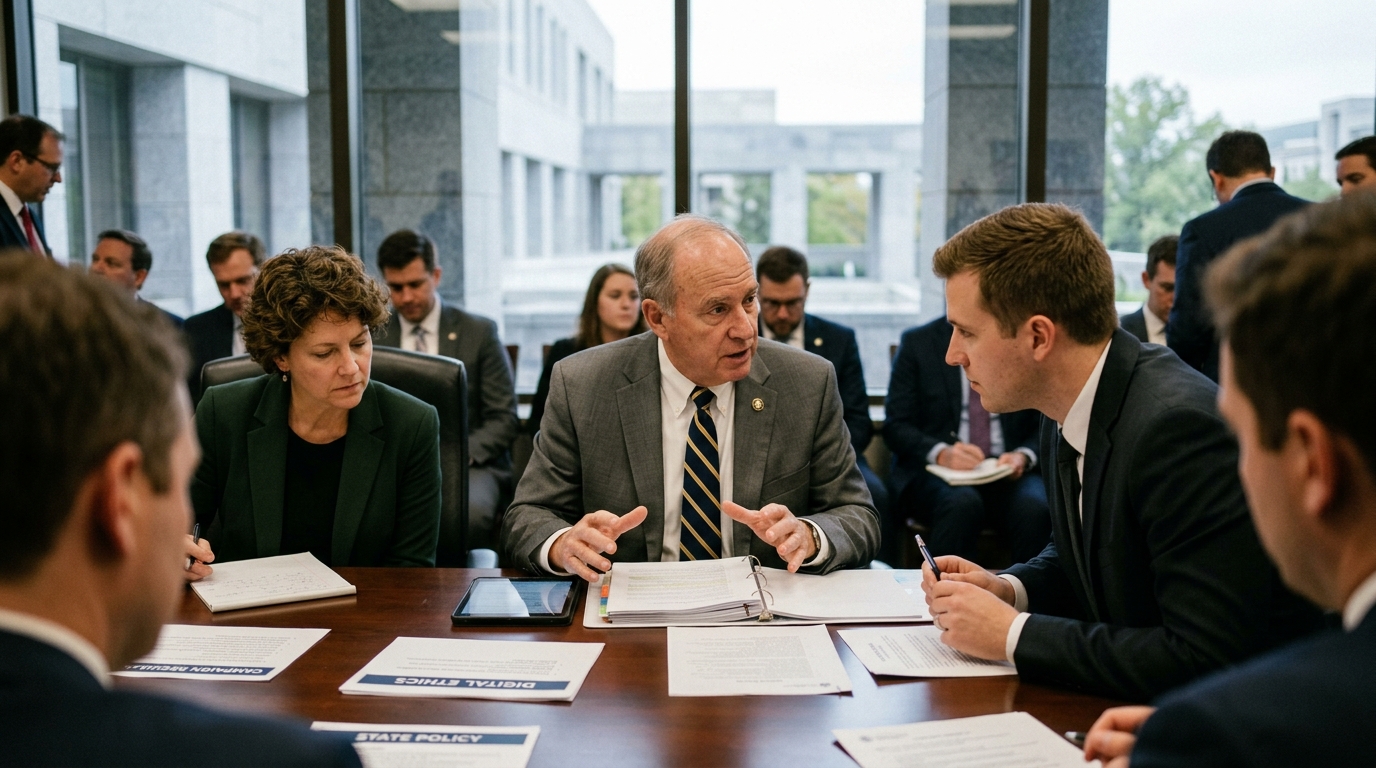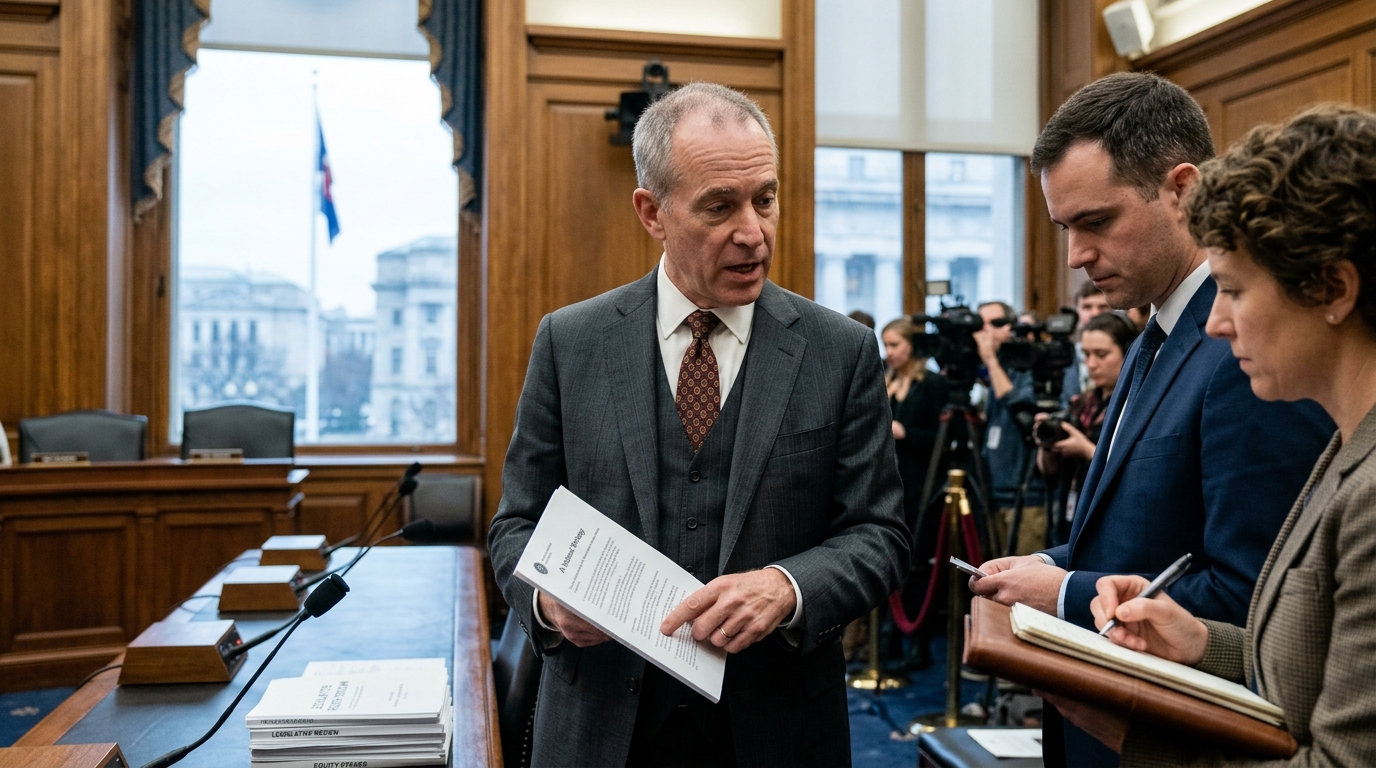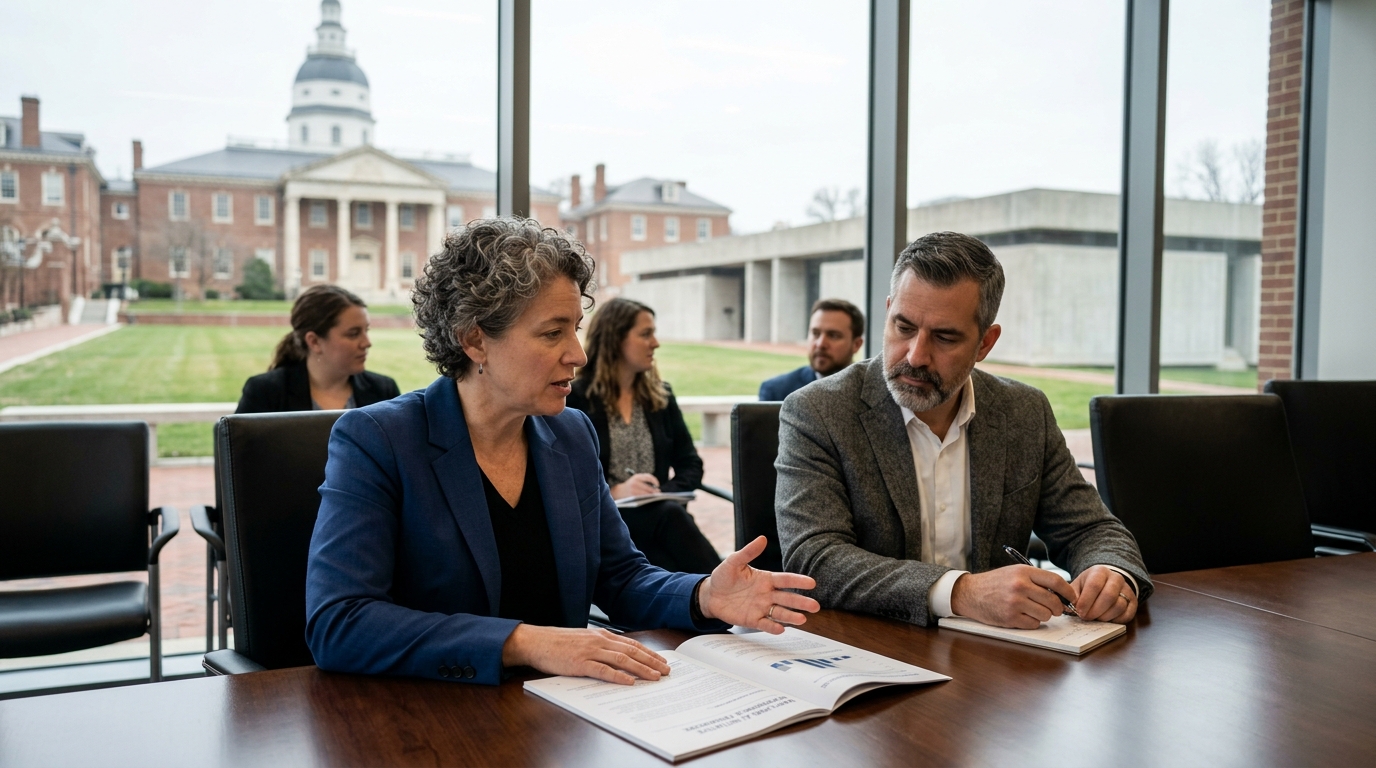
In an era where Artificial Intelligence (AI) is rapidly reshaping the private sector, public administration often finds itself in a defensive posture, struggling to keep pace without compromising citizen safety. The state of Maryland, however, has decided to flip the script. With the establishment of the new AI Innovation Lab, Governor Wes Moore’s administration is laying the groundwork for a proactive and structured adoption of emerging technologies, transforming the state from a mere observer into an active participant.
The lab, operating under the Department of Information Technology (DoIT), is not just another bureaucratic layer. It is a dynamic "sandbox"—a controlled testing environment—where state agencies can experiment with AI tools before they are deployed at scale. This approach allows for bug detection, efficacy assessment, and, crucially, the assurance that algorithmic systems do not perpetuate biases or discrimination.
The Strategy of 'Safe Experimentation'
The creation of the lab is the result of an ambitious executive order signed by Governor Moore earlier this year. This mandate focuses not only on technological upgrades but also on ethical governance. The philosophy behind the lab is that innovation should not come at the expense of public trust. In Maryland, AI is not viewed as a magic wand but as a tool requiring rigorous oversight.
A central pillar of the lab is its collaboration with academia and the private sector. The University of Maryland plays a pivotal role, offering expertise in data science and computational ethics. This public-academic partnership ensures that the solutions being tested are grounded in scientifically sound methods rather than purely commercial interests.
- Risk assessment for every new AI application.
- Training state employees on the capabilities and limitations of the tech.
- Developing standards for algorithmic transparency.
- Promoting digital equity through accessible services.
Practical Applications for the Citizenry
How will this lab impact the life of the average citizen? The applications are manifold. In the healthcare sector, AI can assist in the faster processing of social benefit applications, reducing wait times from weeks to days. In transportation, smart algorithms can optimize traffic flow and predict infrastructure maintenance needs, potentially saving taxpayers millions of dollars.
"We don't just want to use AI; we want to use it right to improve the lives of our people," Governor Moore stated during the initiative's unveiling.
Furthermore, the lab will focus on Generative AI, exploring how chatbots can provide accurate and immediate answers to citizen queries regarding taxes, driver's licenses, or environmental regulations. The challenge here is avoiding model "hallucinations," which the lab intends to mitigate through continuous testing and human-in-the-loop oversight.
Challenges and the Future of the Digital State
Despite the enthusiasm, challenges remain. Funding such initiatives during fiscal constraints is always a thorny issue. Moreover, recruiting and retaining tech talent is a struggle for the public sector, as competition with Silicon Valley giants is fierce. Maryland is attempting to bridge this gap by offering data scientists the opportunity to work on projects with direct social impact.
Maryland’s AI Innovation Lab serves as a beacon for other states and perhaps other nations. It demonstrates that the path to digital transformation does not have to be chaotic. With proper design, ethical guardrails, and a collaborative spirit, AI can become the catalyst for a more efficient, transparent, and equitable government. The success of this endeavor will be judged not by the complexity of the algorithms, but by how much better the citizen is served in their daily interactions with the state.