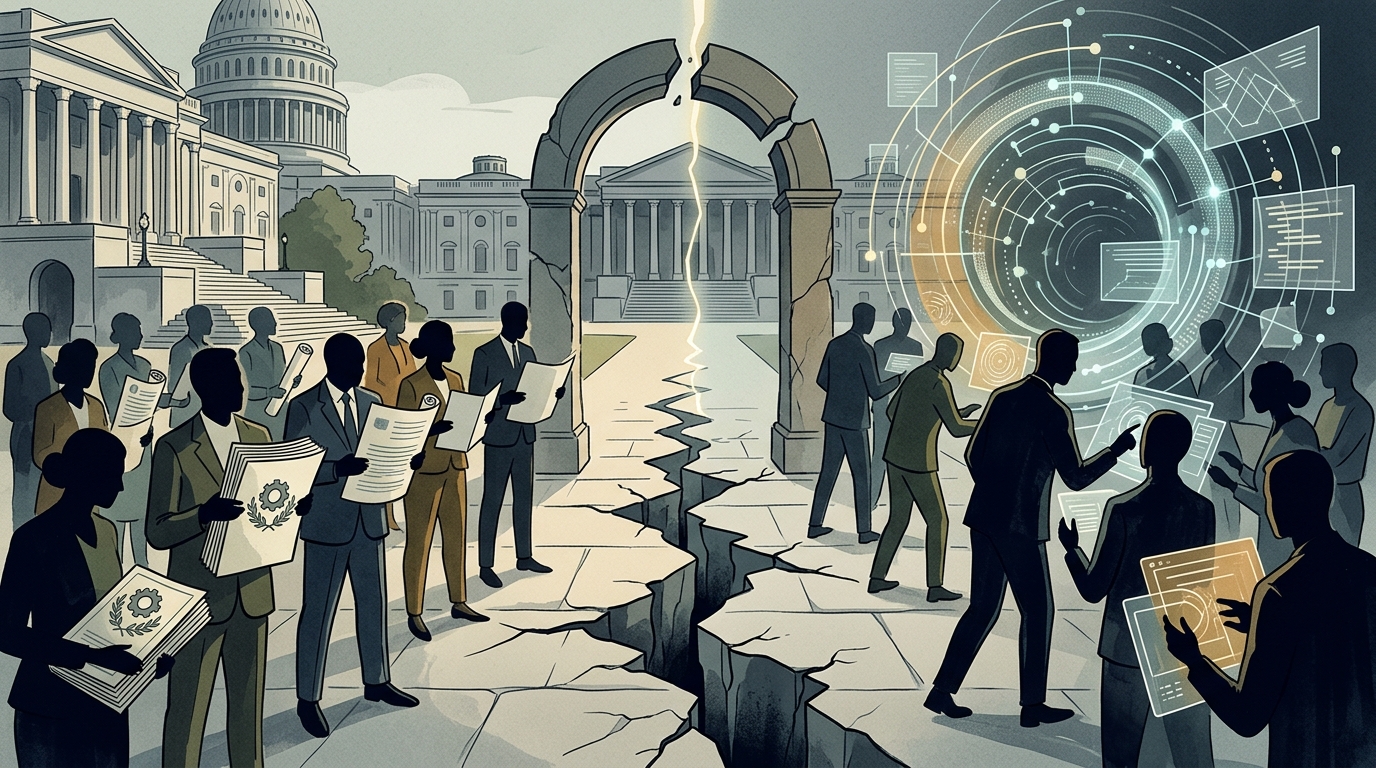
In the heart of 2026, the United States political landscape is no longer vibrating solely to the traditional tunes of immigration or the economy, but to an existential conflict emerging from within the "Make America Great Again" (MAGA) movement. Artificial Intelligence, once a niche topic confined to Silicon Valley laboratories, has morphed into a new frontline that threatens to fracture the coherence of the conservative base. On one side, Donald Trump and his tech-elite allies view AI as the ultimate weapon to reclaim American hegemony. On the other, the populist base sees a "Digital Leviathan" threatening jobs and traditional culture.
The Rise of the Right-Wing 'Accelerationists'
For decades, Silicon Valley was considered a bastion of liberalism and the Democratic Party. However, the last two years have witnessed a spectacular shift. Figures such as Marc Andreessen, Peter Thiel, and Elon Musk have aligned themselves with the Trump agenda, promoting a philosophy often called "effective accelerationism" (e/acc). For these billionaires, AI must be unshackled from the regulatory constraints of the Biden era so that the U.S. can win the arms race against China.
Trump himself has adopted this rhetoric. In recent speeches, he presents AI as a tool that will "supercharge" American production. His promise to repeal Biden's Executive Order on AI safety—which his supporters view as "censorship" and a "bureaucratic hurdle"—is the cornerstone of his strategy. The logic is simple: if we don't dominate AI, the Chinese Communist Party will.
The Populist Resistance: Fear of the 'Woke' Machine
However, this approach does not sit well with all MAGA supporters. A powerful wing of the movement, represented by voices like Tucker Carlson and various labor leaders who have drifted toward the GOP, expresses deep reservations. The fear is twofold. First, there is the concern that AI will lead to mass unemployment in the "Rust Belt," the region that forms the backbone of Trump's power. If machines replace truck drivers and factory workers, the promise of "bringing back jobs" will collapse.
Second, there is the issue of cultural bias. Many conservatives believe that Large Language Models (LLMs) are programmed with "woke" values that undermine the traditional family and religion. This distrust of the "tech elite" creates a paradox: while Trump embraces tech billionaires, his base views them with the same suspicion they reserve for the "Deep State."
Geopolitics as a Unifying Factor?
The only point where both sides seem to converge is the confrontation with China. "National Security" rhetoric is being used as a bridge to soothe the concerns of the base. Trump’s advisors argue that slowing down AI in the U.S. won't save jobs but will simply hand them over to Beijing.
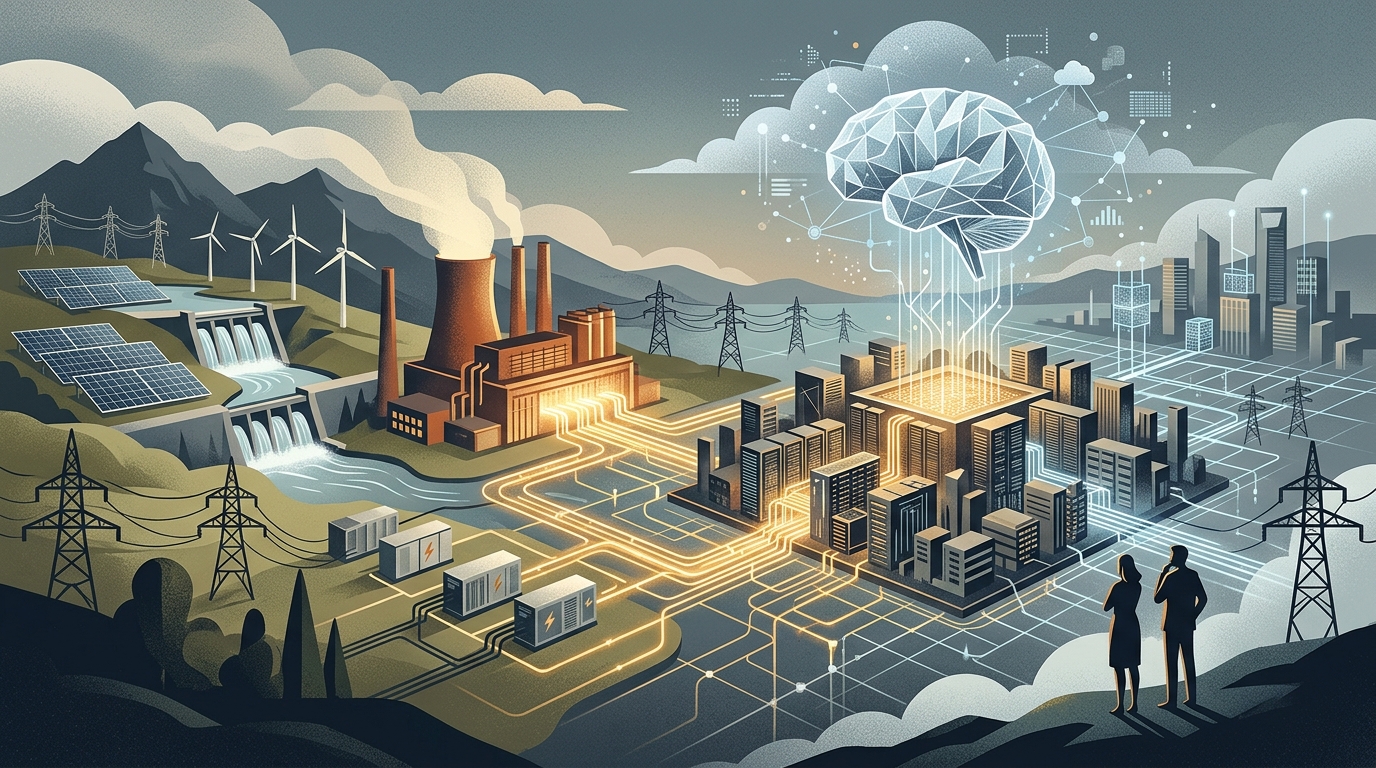
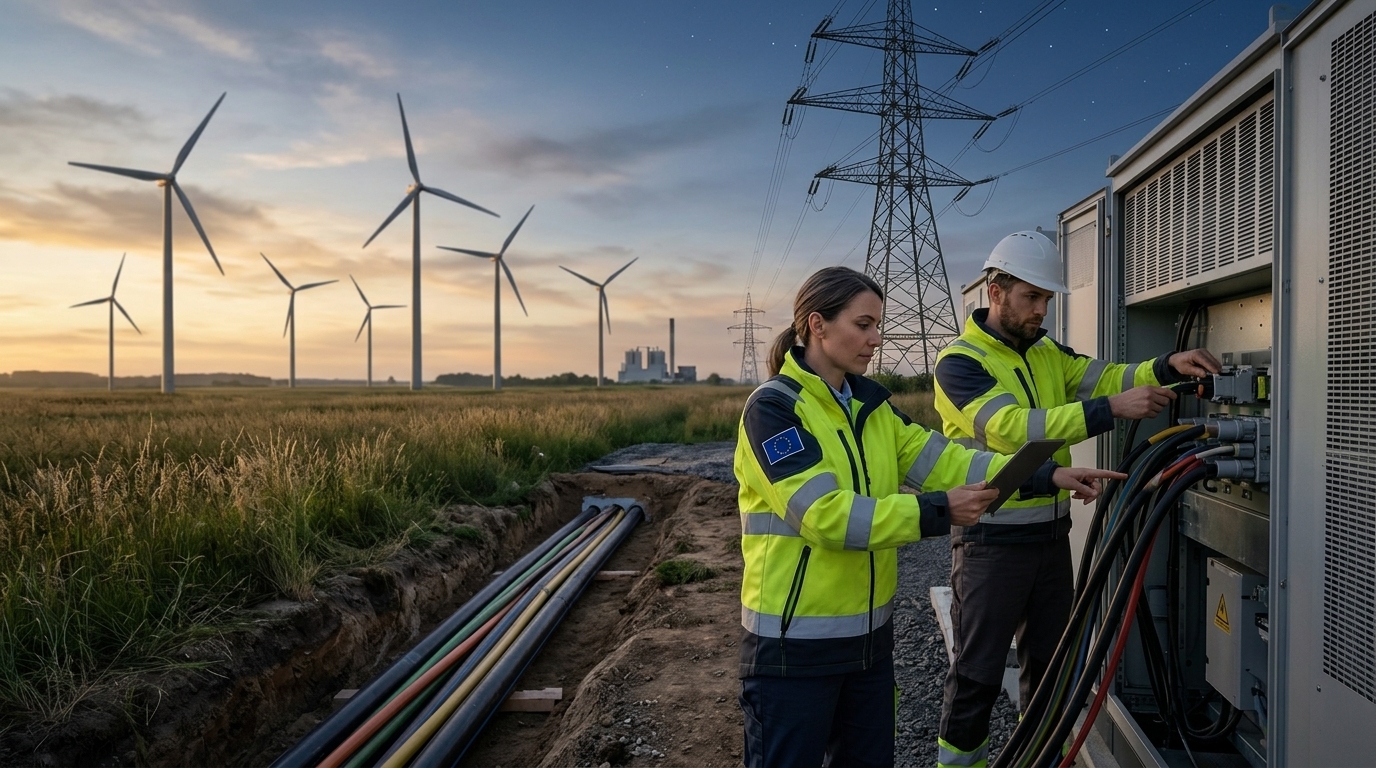
- The need for energy sovereignty: AI requires massive amounts of energy, which aligns with MAGA’s desire for increased fossil fuel production.
- Deregulation as freedom: Framing regulations as the "muzzling" of American innovation.
- Military application: Using AI to strengthen borders and national defense.
Conclusion: A High-Wire Balancing Act
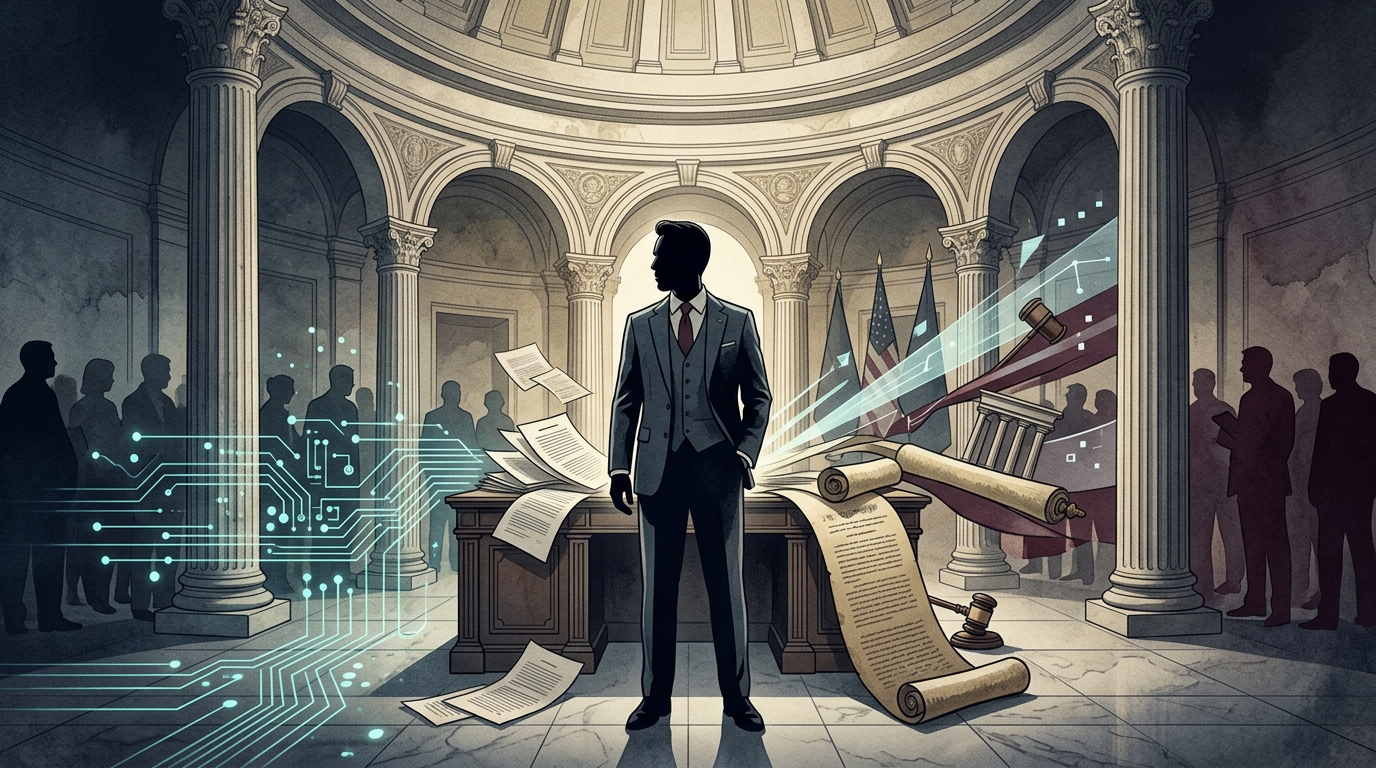
The AI debate within MAGA is a microcosm of the broader identity crisis within the Republican Party. Is it a party of free markets and billionaires, or a party of protectionism and the working class? The answer to the AI challenge will determine not only the future of the American economy but also the viability of the political alliance Donald Trump has built. The challenge for him will be to convince his followers that the "digital worker" is not their enemy, but their ally in a global competition.