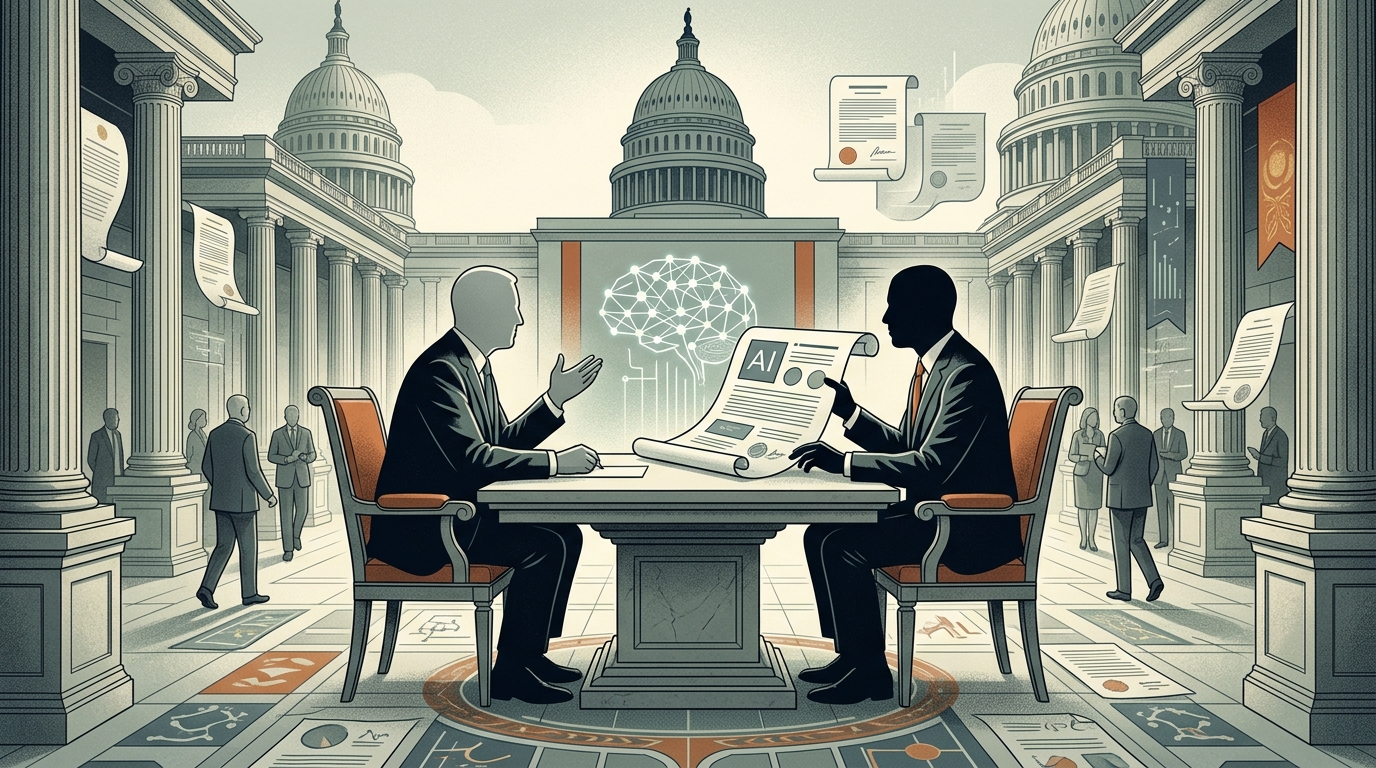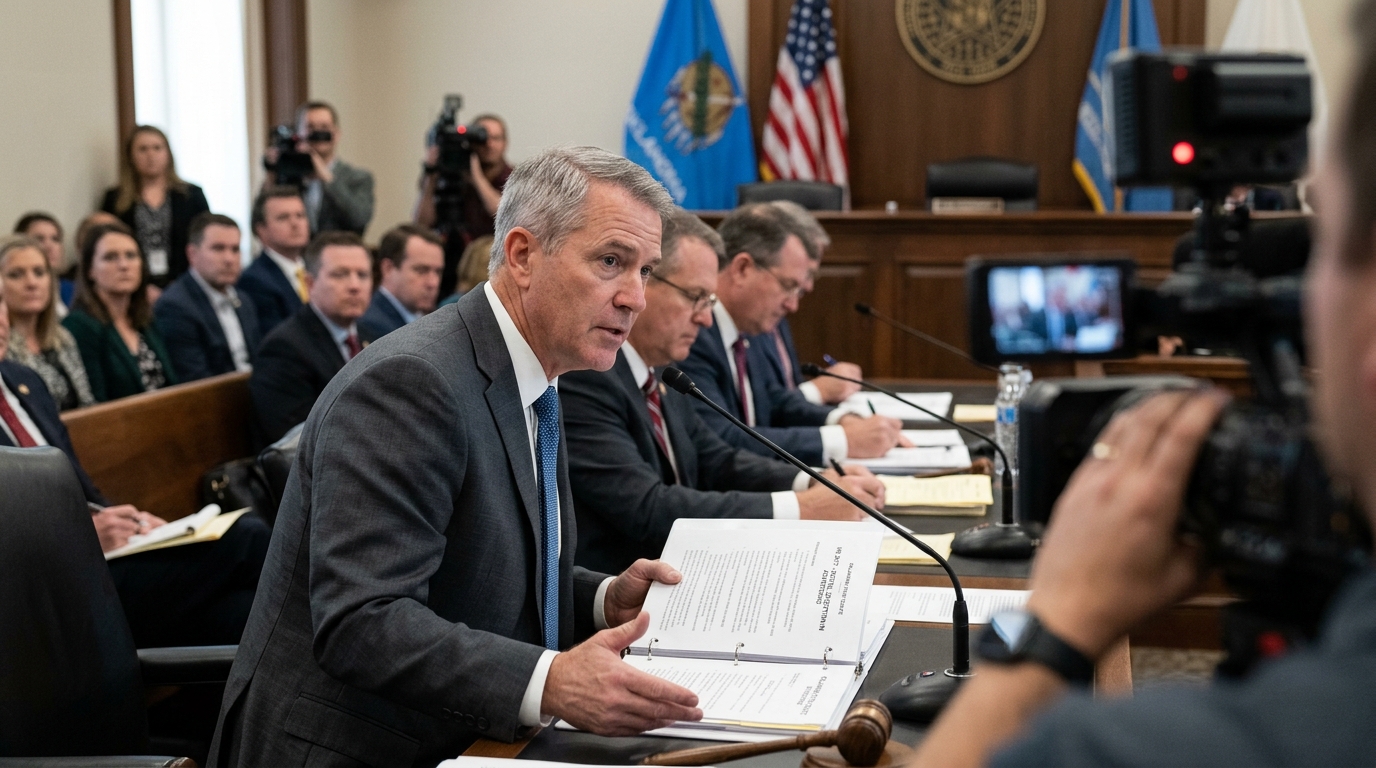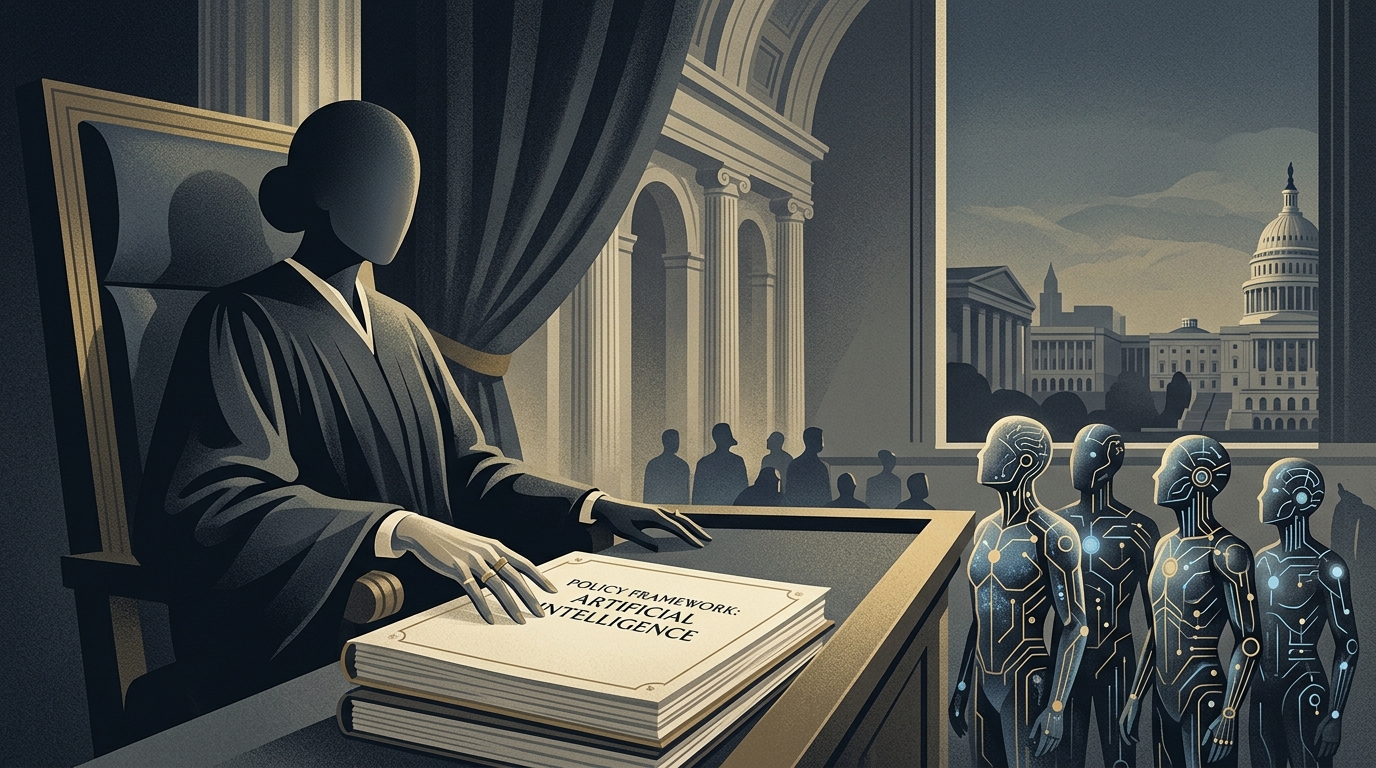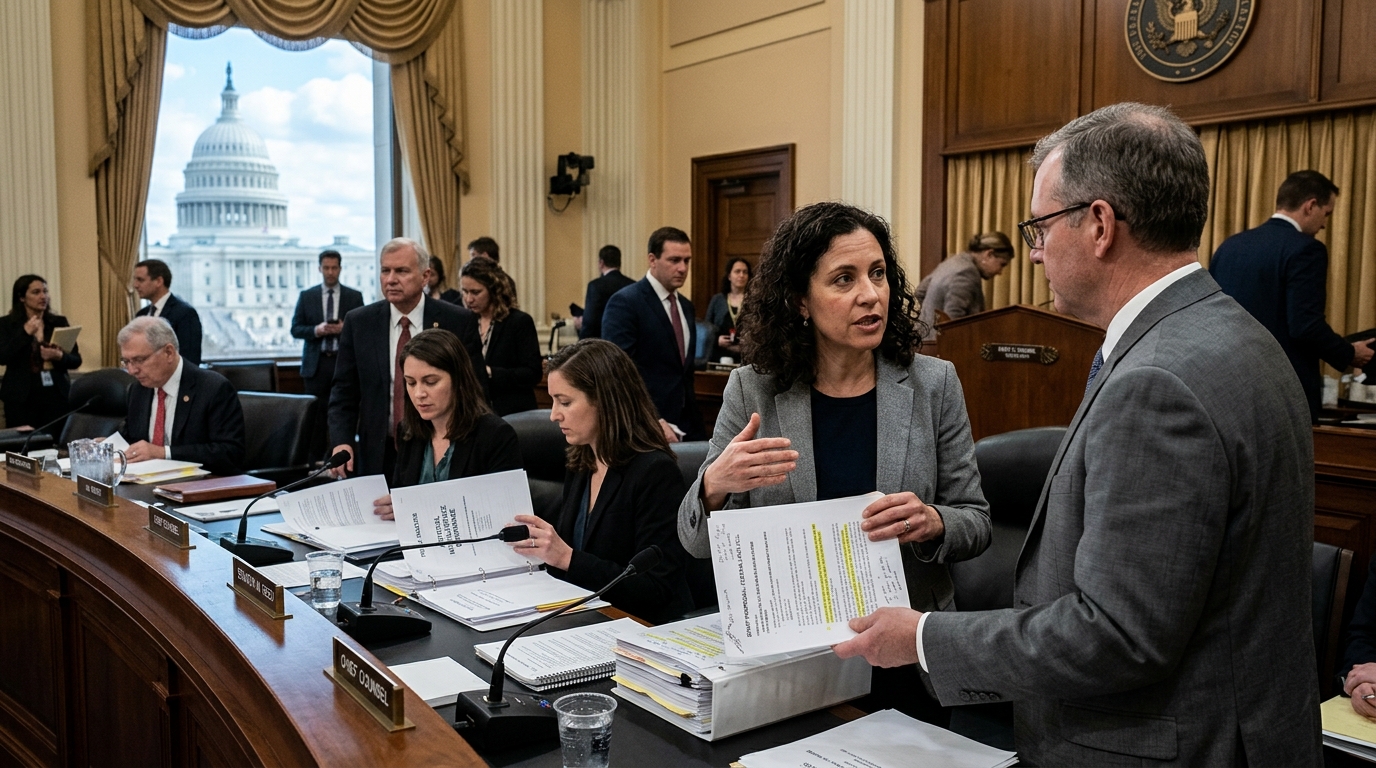
In a pivotal moment for global technological governance, Washington appears to be moving from a posture of observation to one of direct action. The draft of the 'Great American AI Act,' which recently leaked and is being intensely debated in the halls of Congress, represents the most ambitious U.S. effort to date to establish a federal framework for Artificial Intelligence (AI). After years of relying on executive orders and a fragmented patchwork of state-level regulations, this bipartisan initiative seeks to create a unified 'rulebook' that balances rapid innovation with national security and individual rights.
The Architecture of New Governance
The bill is not merely a list of prohibitions but a structured approach to risk management. According to the draft, the U.S. government proposes creating a central coordinating body to oversee AI implementation in critical sectors such as infrastructure, healthcare, and national defense. The logic behind the 'Great American AI Act' is clear: the technology is too significant to be left entirely to corporate self-regulation, yet too dynamic to be stifled by Brussels-style bureaucratic inertia.
A core pillar of the bill is the categorization of AI systems based on their risk profile. 'High-risk' systems would be subject to rigorous transparency audits, requiring companies to disclose training data and conduct regular bias testing. Furthermore, it introduces the concept of 'federal certification' for models used by government agencies, ensuring that public administration does not become subservient to opaque algorithms.
"America must lead not only in the invention of Artificial Intelligence but also in defining its ethical and operational standards," the draft's preamble asserts.
Competition with China and the 'American Exception'
The legislation is heavily influenced by the prevailing climate of geopolitical competition. Unlike the European Union’s AI Act, which focuses primarily on consumer protection, the American draft emphasizes strengthening domestic industry against foreign adversaries, particularly China. It includes provisions for intellectual property protection and incentives for developing semiconductors and computing power within U.S. borders.
However, the challenge remains: how can one regulate Silicon Valley without suffocating it? The bill's authors appear to adopt a more flexible stance for startups, offering exemptions from certain compliance requirements to maintain market dynamism. This 'American exception' aims to make the U.S. the most attractive environment for AI development, providing the legal certainty currently missing due to the chaos of conflicting laws in California, New York, and other states.
Transparency and Accountability
Another significant innovation is the requirement for 'labeling' AI-generated content. The bill outlines strict rules for deepfakes and misinformation, especially during election cycles. Companies would be required to embed digital watermarks into any content generated by algorithms, allowing citizens to distinguish between human-made and AI-synthesized media.
Simultaneously, the 'Great American AI Act' paves the way for a federal compensation system for victims of algorithmic discrimination. If a citizen is harmed by an erroneous decision from an AI system—such as a loan denial or a medical misdiagnosis—the bill provides clear procedures for recourse and liability, addressing what has been a legal 'gray zone' until now.
Conclusion: A Challenging Path to Enactment
While the draft has received positive feedback for its bipartisan nature, the path to final enactment is expected to be fraught with obstacles. Tech lobbies are already expressing concerns regarding compliance costs, while digital rights organizations are calling for even stricter limits on AI use by law enforcement. The 'Great American AI Act' is more than just a law; it is America's declaration that the 'Wild West' era of artificial intelligence is over. Whether it manages to become the global gold standard or remains a domestic effort to exert control remains to be seen.