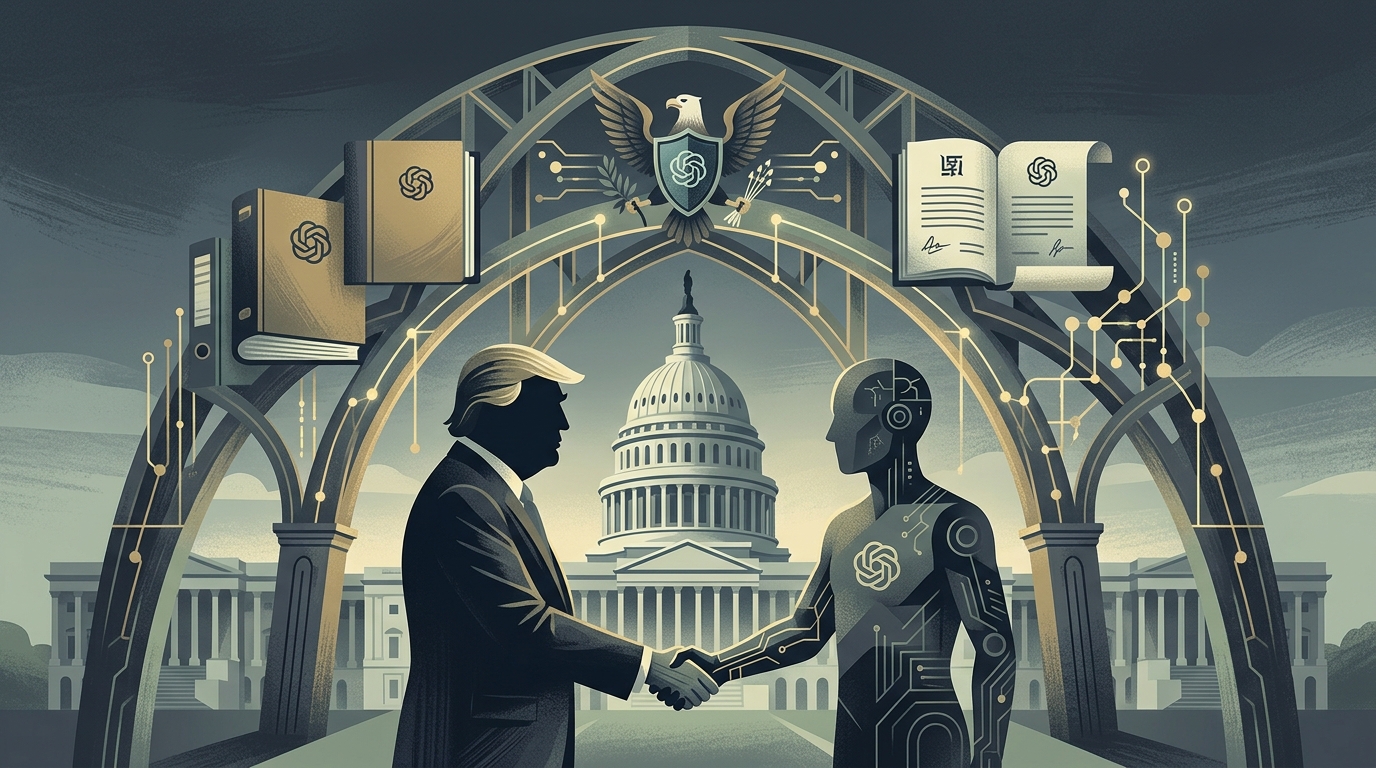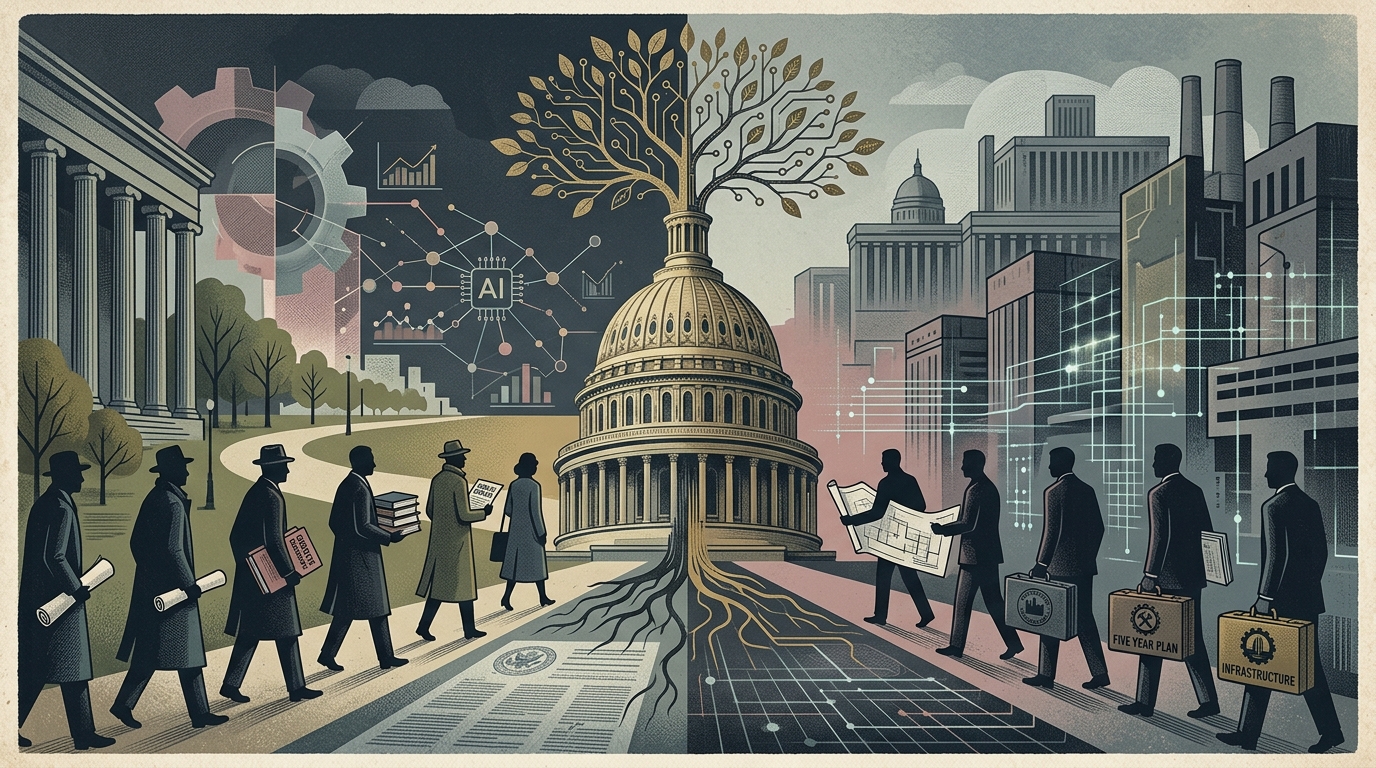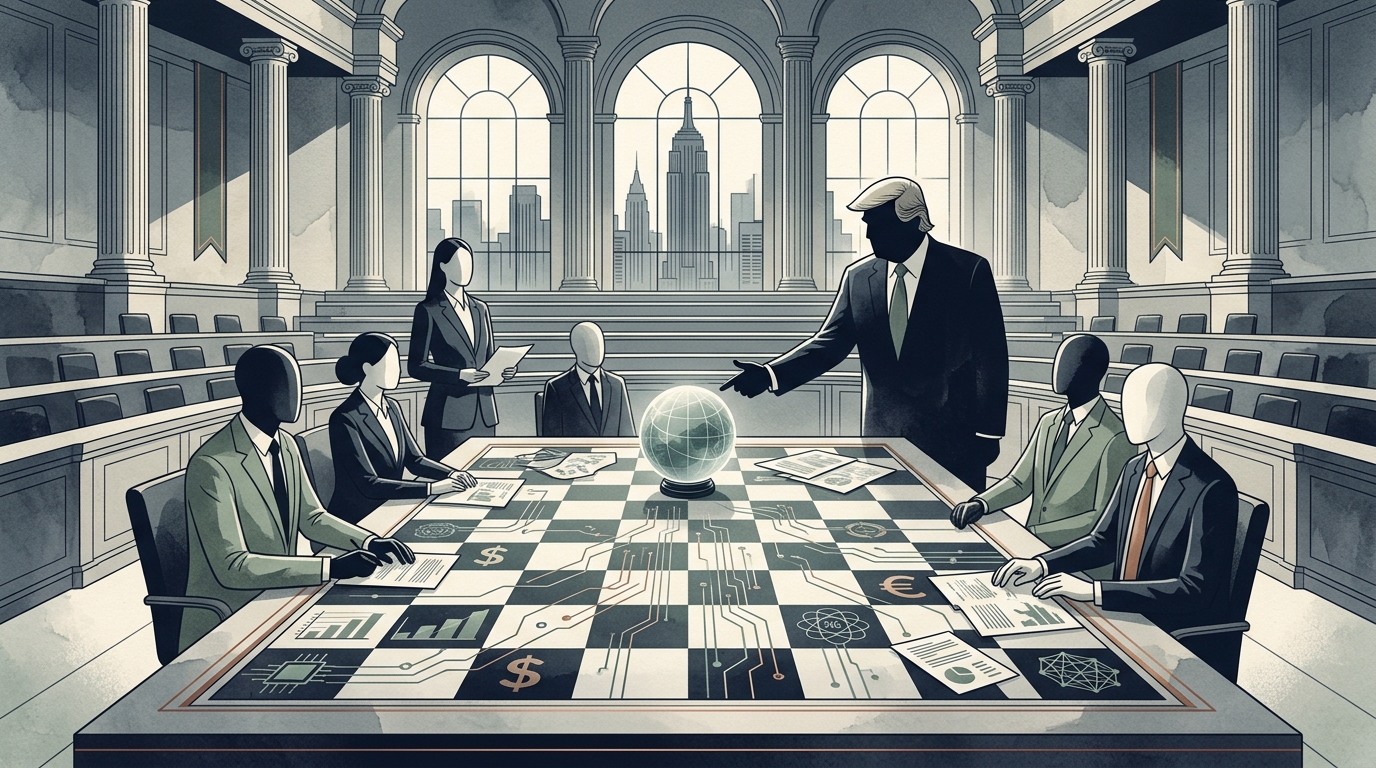
The White House's announcement that President Donald Trump will participate in the G7 summit in France this coming June is far from routine diplomatic news. In a global environment vibrating with the tectonic shifts of Artificial Intelligence (AI) and the restructuring of international trade, the American leader's presence signals a clash of visions between protectionism and multilateralism. France, as the host, aspires to lay the foundations for global AI governance, yet Washington's agenda appears to be moving on a trajectory that prioritizes technological supremacy over regulatory constraints.
AI as a Tool of Economic Might
For Trump, Artificial Intelligence is not a theoretical field of ethics; it is the ultimate tool for economic and military dominance. According to sources close to his administration, the American side is expected to push for the relaxation of regulatory frameworks that, in its view, hinder the innovation of Silicon Valley's tech giants. The contrast with the European Union, which recently fully implemented the AI Act, is stark. Trump views European regulations as a form of 'digital tariff' unfairly targeting American companies.
At the negotiating table, AI will be inextricably linked to national security. Washington seeks to create a 'closed club' of technological cooperation within the G7, which would exclude China from critical supply chains for semiconductors and advanced algorithms. However, this creates friction with countries like Germany and Italy, which maintain complex trade relations with Beijing and fear an all-out technological cold war.
Trade and Tariffs: The Shadow of Protectionism
The second major chapter of the summit is trade. With the threat of horizontal tariffs looming over international markets, Trump is expected to use access to the US market as a lever of pressure. France, for its part, is trying to protect its agricultural production and emerging green tech industry. A clash seems inevitable: on one side, Europe's 'strategic autonomy' and on the other, the US demand for full alignment with its interests.
- The imposition of tariffs on European goods as retaliation for digital services taxes.
- The restructuring of global supply chains to reduce dependence on Asia.
- The financing of AI infrastructure through private capital rather than state subsidies.
Trump's stance toward the World Trade Organization (WTO) remains skeptical, and the G7 may serve as the venue where bypassing traditional multilateral institutions in favor of bilateral agreements favoring American power is attempted.
The Geopolitics of the French Summit
Emmanuel Macron, as host, is called upon to play the role of mediator, but also the defender of European values. France is investing billions to become the European hub for AI, with companies like Mistral AI serving as its 'heavy artillery.' The meeting with Trump will be a test of whether Europe can stand as an equal player or if it will be forced to choose sides in a rapidly polarizing world.
"Artificial Intelligence is not just code; it is the new language of power. Whoever controls it, controls the future of trade and sovereignty," says a senior diplomat in Brussels.
In conclusion, the G7 summit in June 2026 will not only decide trade relations for the coming years but will determine whether humanity will follow a unified framework for AI or if we are headed toward a fragmented digital world, divided into spheres of influence.