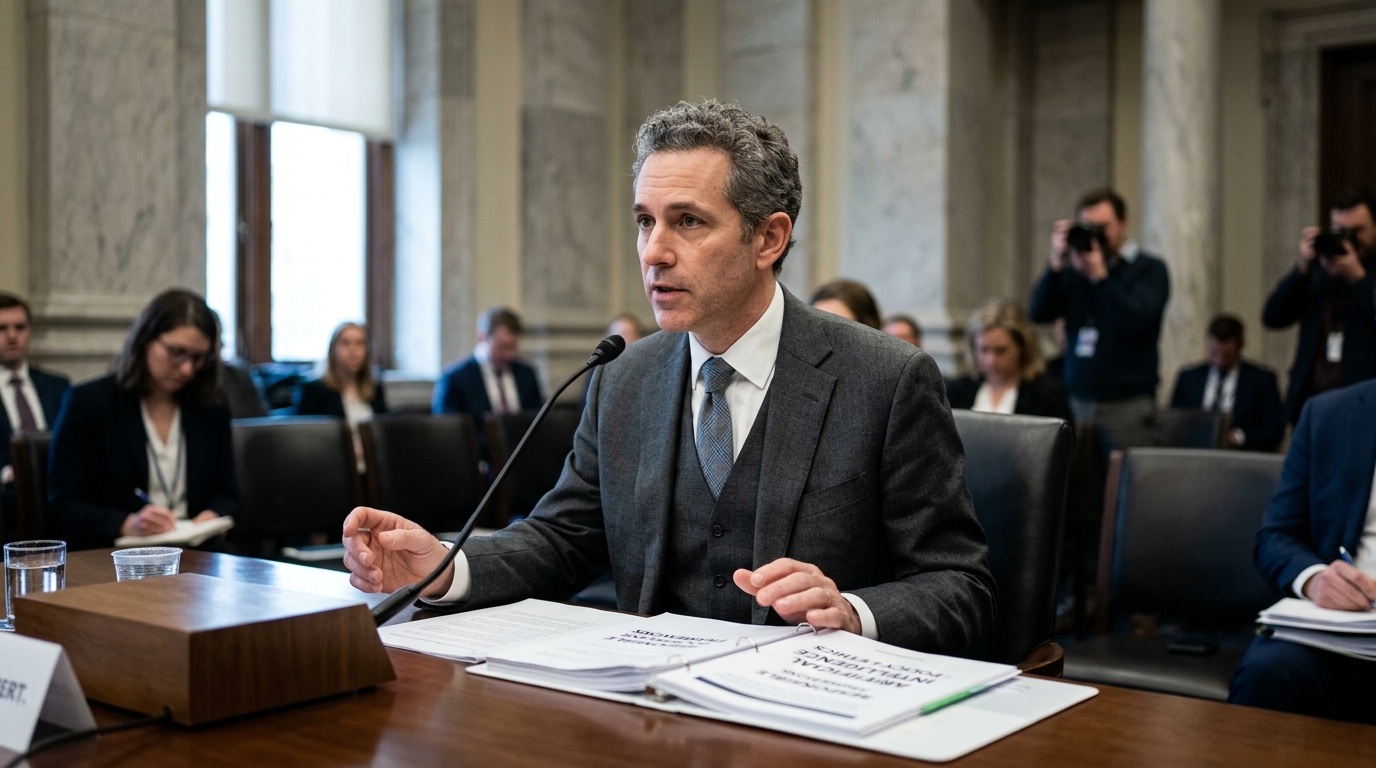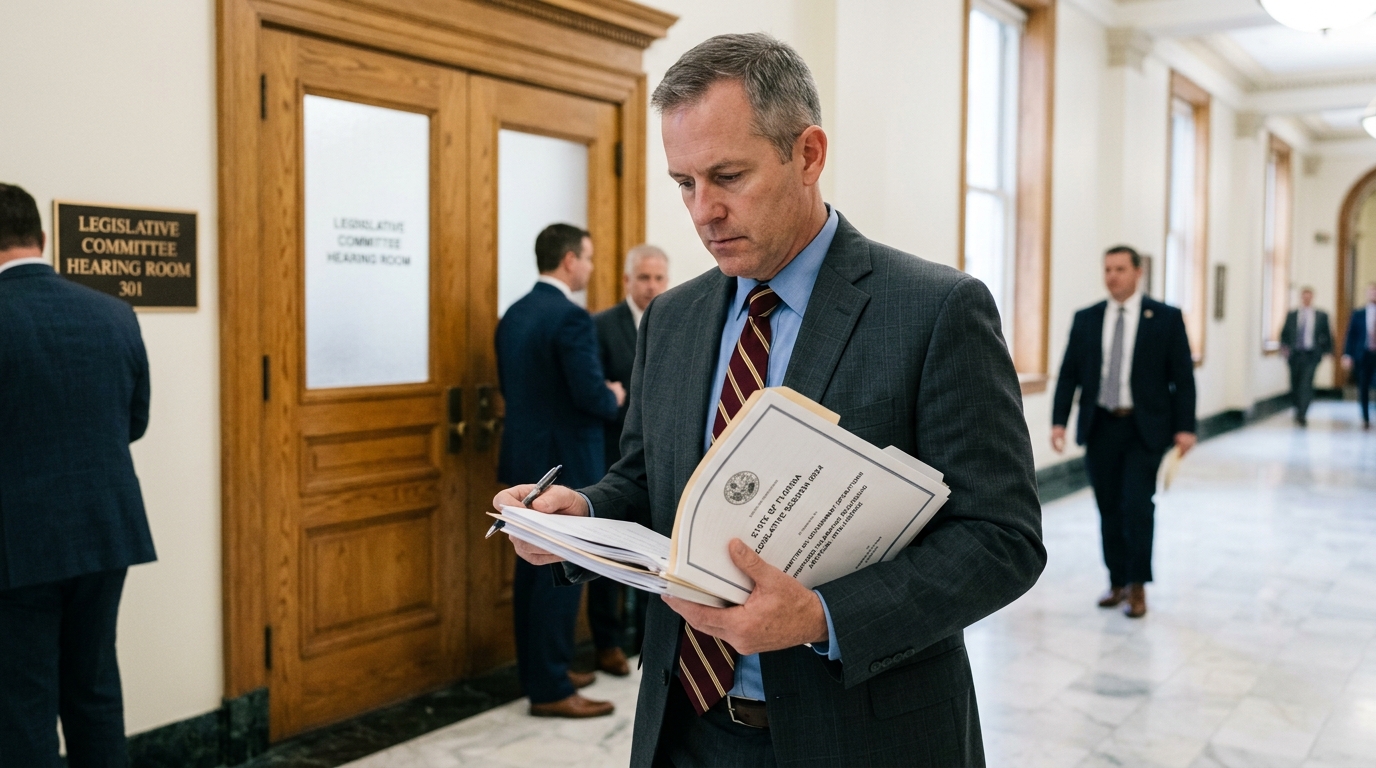
In the heart of the American South, Florida is no longer just a tourist destination or a retirement haven; it has become the primary front of an ideological and legal clash that threatens to reshape the future of artificial intelligence. As OpenAI attempts to establish ChatGPT as the world’s global information infrastructure, it finds itself pitted against Governor Ron DeSantis’s administration and a legislature that views AI as the next phase of the "culture war."
Florida as a Laboratory for Anti-Big Tech Policy
The Sunshine State has evolved into OpenAI’s most dangerous testing ground in "Red America." Florida’s strategy is not limited to mere rhetorical flourishes; it is rooted in a coordinated effort to impose legal liability for the content generated by Large Language Models (LLMs). While federal protections under Section 230 have traditionally offered immunity to platforms for third-party content, Florida is questioning whether this protection extends to AI, which "creates" rather than simply "hosts" information.
Lawmakers in Tallahassee are considering bills that could force OpenAI to disclose its training algorithms, aiming to prove the existence of "liberal bias." For DeSantis, artificial intelligence is a tool of "woke" indoctrination that must be reined in. This approach is gaining traction through a series of legal battles, including defamation lawsuits from public figures who claim ChatGPT fabricated false and damaging information about them.
The Specter of Defamation
Florida’s legal arsenal is bolstered by recent state jurisprudence that makes it easier to sue tech giants. Unlike California, where courts tend to protect innovation, Florida’s judiciary is showing an increasing willingness to hold AI companies accountable for their models' "hallucinations." If a radio host or a politician in Florida can prove that OpenAI exhibited "gross negligence" by allowing its model to produce falsehoods, the financial and operational costs for the company would be astronomical.
- Challenging Section 230 protections for generative AI.
- Legislative initiatives for training data transparency.
- Increasing defamation lawsuits from conservative figures.
- The risk of a "splinternet" within the United States.
OpenAI’s Defensive Strategy
OpenAI, led by Sam Altman, has deployed an army of lobbyists to the state. Their tactic is twofold: on one hand, they try to convince lawmakers that strict regulation will give China the upper hand, and on the other, they promise greater user control so that individuals can "tune" AI responses to their own values. However, in Florida’s polarized atmosphere, technical promises often collide with political necessity.
“This isn’t just about technology; it’s about who defines truth in the digital age,” says a high-ranking state official.
If Florida succeeds in imposing its own rules, Texas and other conservative states will likely follow suit. This would create a compliance nightmare for OpenAI, which might have to serve a "conservative" version of ChatGPT in Miami and a "progressive" one in San Francisco. The unity of the product, which is its greatest asset, is under direct threat.
Conclusion: An Existential Challenge
The conflict in Florida highlights the fundamental problem of artificial intelligence: the technology is not neutral. As OpenAI transforms from a research lab into a global publisher of information, it must confront the political realities of a deeply divided America. Florida is not just an obstacle; it is a mirror of a society that refuses to hand over the keys of truth to a Silicon Valley algorithm.