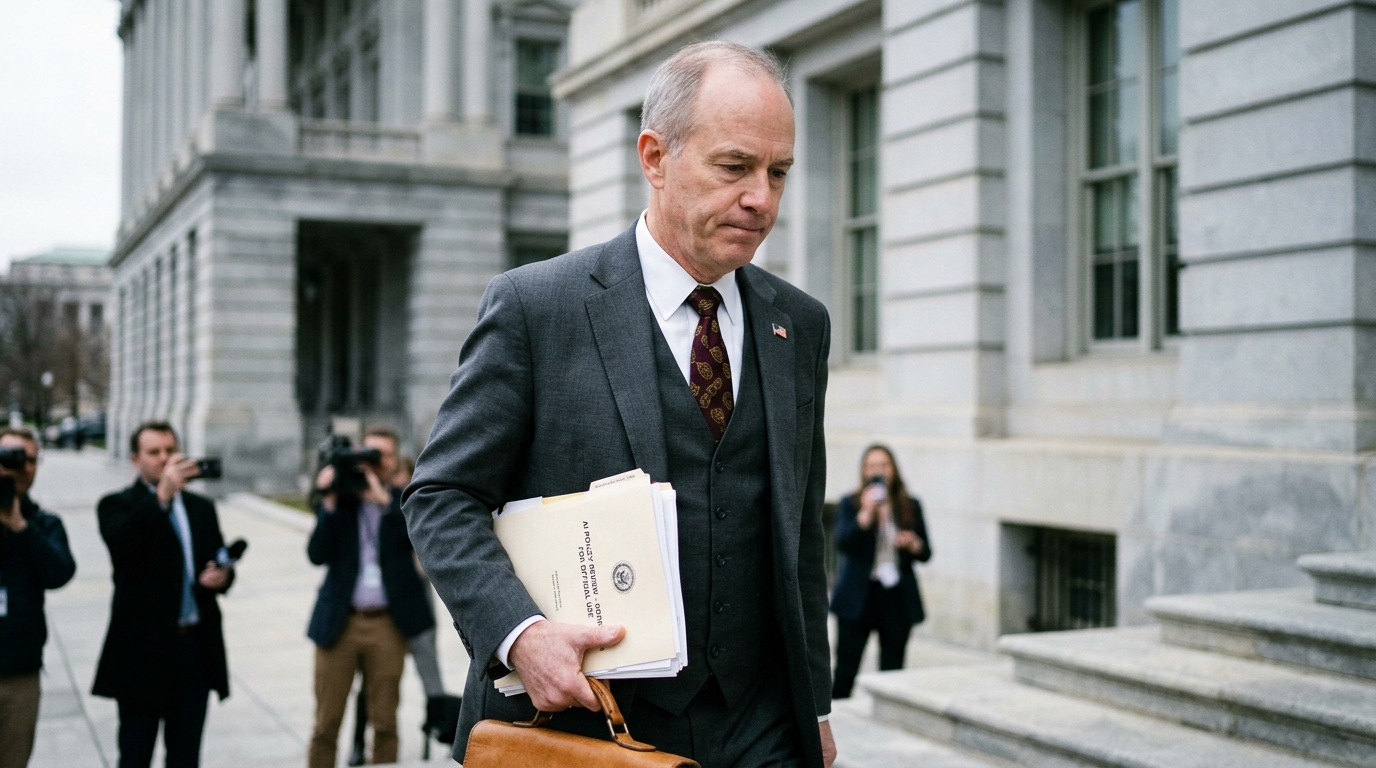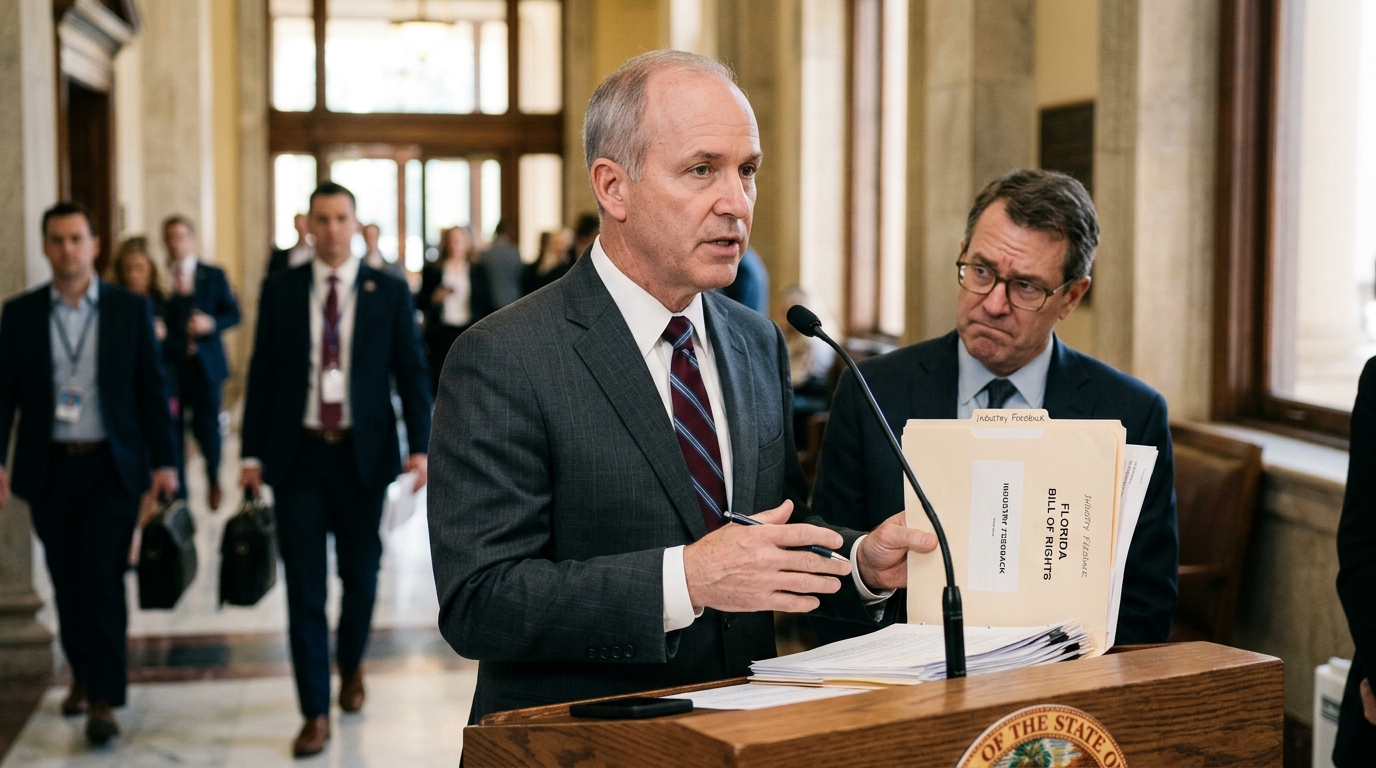
Florida has become the epicenter of a high-stakes legislative battle as its State Senate convenes a special session to deliberate on a proposed "AI Bill of Rights." While proponents frame the bill as a necessary shield for citizens against the opacity of automated systems, the Computer & Communications Industry Association (CCIA) has sounded a clarion call, warning that the legislation could stifle innovation and fragment the digital economy.
The move by Florida lawmakers is not an isolated event but a significant chapter in the ongoing saga of U.S. state-level tech regulation. In the absence of a comprehensive federal AI law from Washington D.C., states like California, Connecticut, and now Florida are stepping into the vacuum, often with wildly different approaches to governance. The urgency of Florida’s special session, however, suggests a political dimension that transcends mere consumer protection.
The Core Provisions of the Bill
The Florida AI Bill of Rights is built upon several ambitious pillars. At its heart is a mandate for transparency: companies would be required to explicitly notify users when they are interacting with an AI-generated interface. Furthermore, the bill targets "high-stakes" algorithmic decision-making, aiming to provide Floridians with a right to opt-out of automated processing in sectors like housing, credit, and employment.
Another controversial provision involves algorithmic accountability. The bill proposes granting state regulators the power to audit systems deemed to have a significant impact on public welfare. For Governor Ron DeSantis and his allies, this is a natural extension of their broader campaign against Big Tech—a push to ensure that the digital infrastructure governing modern life is not biased, secretive, or immune to state oversight.
CCIA’s Critique: Innovation at Risk?
The CCIA, representing tech giants such as Google, Meta, and Amazon, has been vocal in its opposition. Their primary contention is that the bill’s definitions are overbroad. By failing to distinguish between generative AI and basic software automation, the CCIA argues the law could inadvertently penalize small businesses and startups that rely on routine digital tools.
More importantly, the industry warns of the "regulatory patchwork" effect. If Florida sets a precedent that diverges significantly from other states, it creates a compliance nightmare for companies operating across state lines. "A fragmented regulatory landscape doesn't protect consumers; it just makes it impossible for innovators to scale," a CCIA representative noted during the preliminary hearings. The industry group fears that high compliance costs will drive tech investment away from the Sunshine State toward more laissez-faire jurisdictions.
Geopolitical and Political Implications
The debate in Tallahassee reflects a deeper tension in the 21st-century social contract. On one hand, there is a legitimate public demand for safeguards against algorithmic bias and the potential for AI to manipulate public discourse. On the other, there is the strategic concern that over-regulation could hamper the American tech industry’s ability to compete with global rivals, particularly China, which views AI as a cornerstone of future national power.
The special session indicates that AI has moved from the realm of computer science to the center of the political arena. The outcome of this legislative push will serve as a bellwether for how state power confronts technological dominance. If Florida successfully implements its bill, it may force the federal government to accelerate its own legislative efforts to avoid a chaotic multi-state legal environment.
Conclusion: A Precedent in the Making
As the Senate deliberations continue, the eyes of the global tech community are on Florida. The final version of the bill—and whether it incorporates industry feedback—will signal whether the future of AI regulation will be one of collaboration or confrontation. For now, the "Florida model" remains a provocative attempt to reclaim human agency in an increasingly automated world.
- Transparency requirements could fundamentally change how AI companies interact with consumers.
- The industry fears that vague legal definitions will lead to a surge in litigation.
- Florida’s move may trigger a domino effect among other conservative-leaning states.
- The balance between ethics and competitiveness remains the central unresolved challenge.