In an era where digital time is the ultimate currency, Meta—the parent company of Facebook and Instagram—seems to have found the solution to the dreaded "blank page syndrome." The new "Write with AI" feature promises to transform the way we communicate, taking on the burden of drafting text, choosing the right tone, and organizing our thoughts into posts designed to capture the algorithm's attention. However, beneath this convenience lies a deeper debate about the authenticity of human connection in the digital sphere.
The Mechanics of Automated Expression
The integration of AI into Facebook is not entirely new, but the current implementation is the most direct and pervasive to date. Leveraging its Llama 3 large language model, Meta now offers users the ability to input a brief idea or a few keywords and receive a fully formed post. The tool isn't limited to mere drafting; it can shift the tone of a post—from formal to humorous or enthusiastic—add relevant hashtags, and suggest the optimal structure for maximum engagement.
For content creators and small businesses, this evolution is a godsend. The pressure to maintain a constant social media presence often leads to burnout. AI acts as an invisible copywriter, democratizing access to high-quality—at least syntactically—content. Yet, for the average user wishing to share a personal moment, using an algorithm to express emotions creates a paradox: how "social" is a network when communication occurs between machines?
The Authenticity Crisis and the Dead Internet Theory
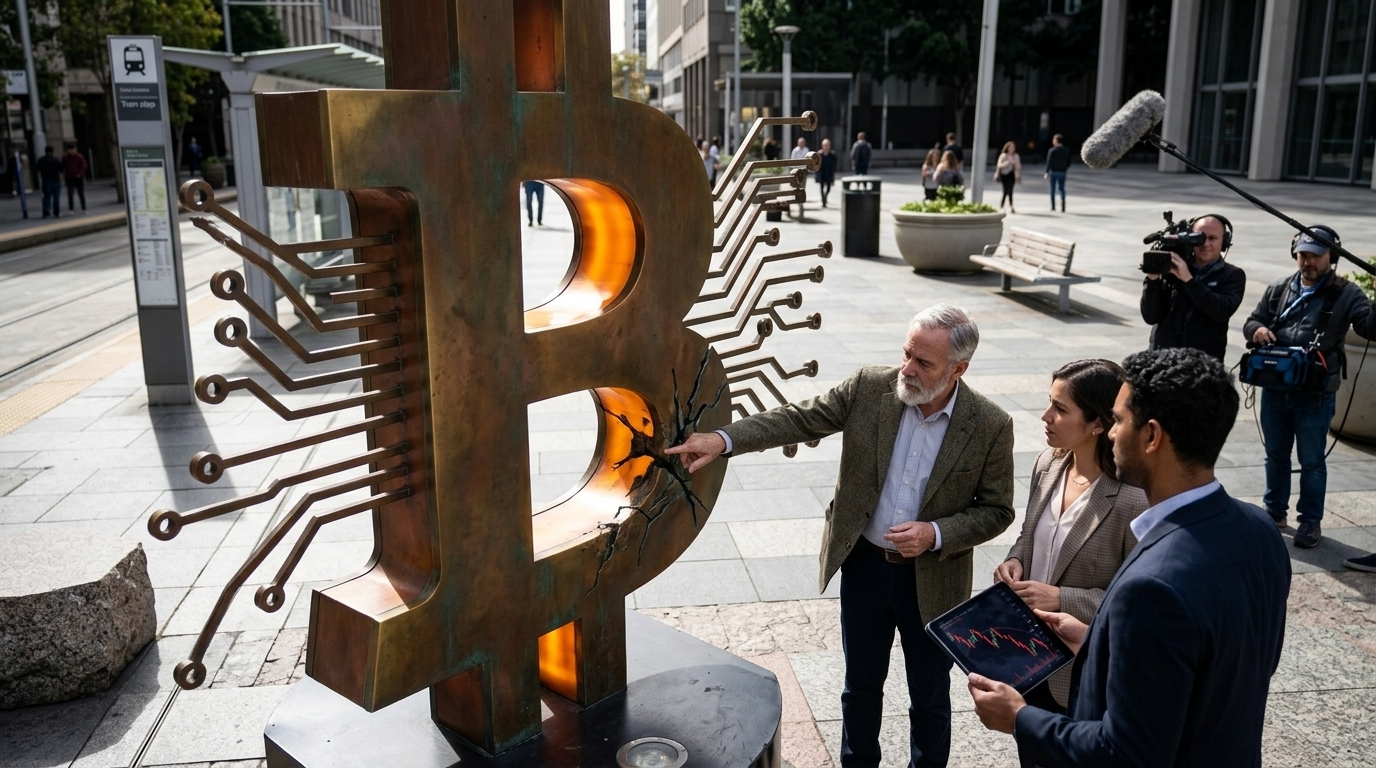
Meta’s move comes at a time when discussions surrounding the "Dead Internet Theory" are intensifying. This theory posits that the majority of internet content and activity is now generated by bots and algorithms, with human presence being marginalized. When Facebook encourages users to let AI write for them, it risks turning the News Feed into a homogenous sea of "perfect" but hollow content.
"Authenticity was once the hallmark of social networks. Today, the perfection of AI threatens to replace the sincerity of human imperfections," industry analysts observe.
The question arises: do our friends on Facebook want to read our thoughts, or those of an optimized language model? Meta attempts to balance this by introducing labels for AI-generated content, yet the distinction between human inspiration and algorithmic production is becoming increasingly blurred.
Policy, Transparency, and Ethics
From a policy perspective, Meta faces gargantuan challenges. The ease with which one can now create persuasive content increases the risk of spreading misinformation. A malicious actor could use the platform's own tools to compose polarizing or misleading texts, lending them a veneer of authority and validity. While the company claims to implement strict safety filters, history has shown that algorithms are frequently bypassed.
- AI Labeling: Any post created entirely by AI will (theoretically) carry a subtle indicator.
- Data Privacy: The data users input to prompt the writing tool is used to further train Meta’s models.
- Copyright Concerns: Using protected content in the generation of new posts remains a legal gray area.
Ultimately, this new Facebook feature is not just a technical tool; it is a statement about the future of human interaction. Artificial intelligence is no longer an external assistant but the mediator of our thoughts. As Meta continues to pour billions into the Metaverse and AI, the platform that began as a way to connect students is morphing into an ecosystem where humans provide the data and machines provide the narrative.
The User’s Role in the New Era
How, then, should we respond? The technology is here to stay. The challenge for the modern user is to utilize these tools as a starting point rather than a final destination. AI can help us find the right word, but it cannot replace the lived experience that prompts the writing in the first place. Critical thinking and the preservation of a personal "voice" will be the skills that set us apart in a digital environment flooded with automated perfection. Facebook gives us the time to edit, but the question remains: do we still have something of our own to say?