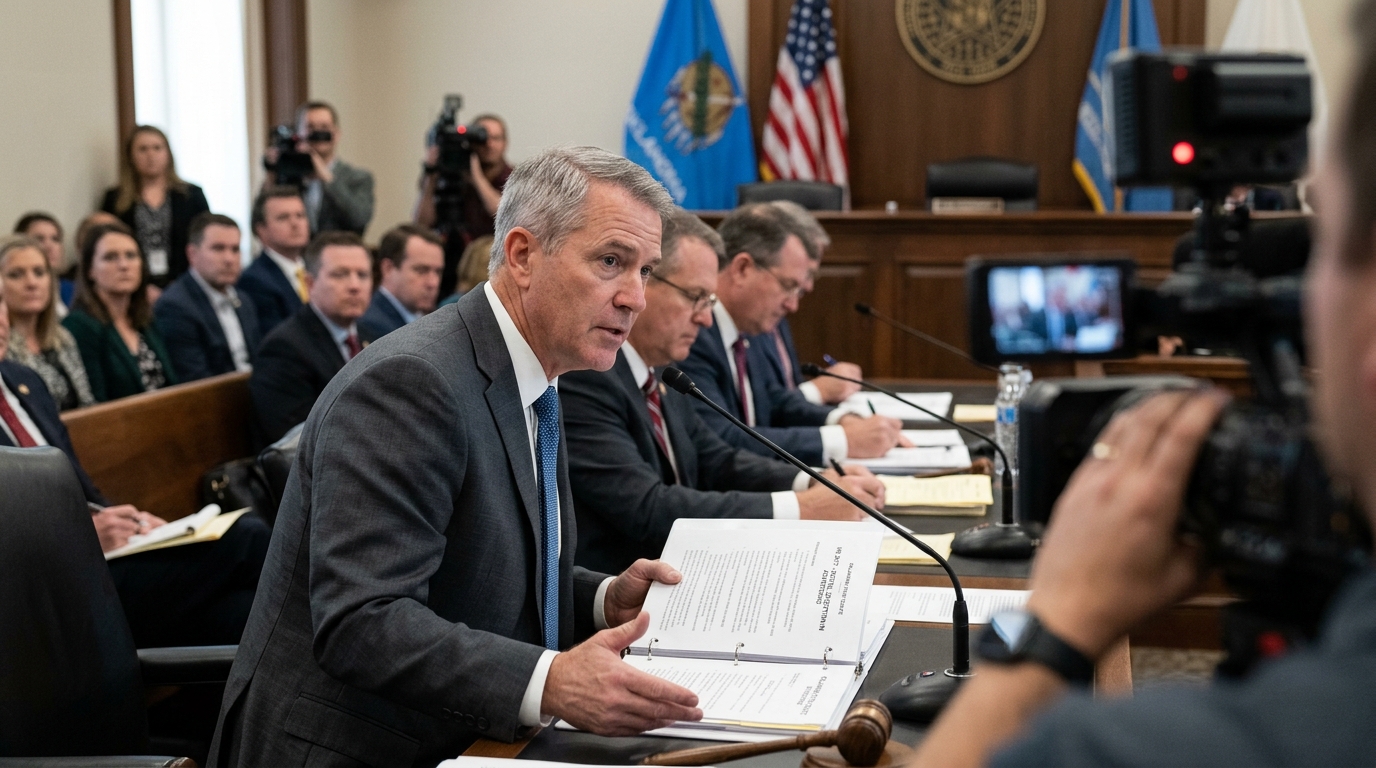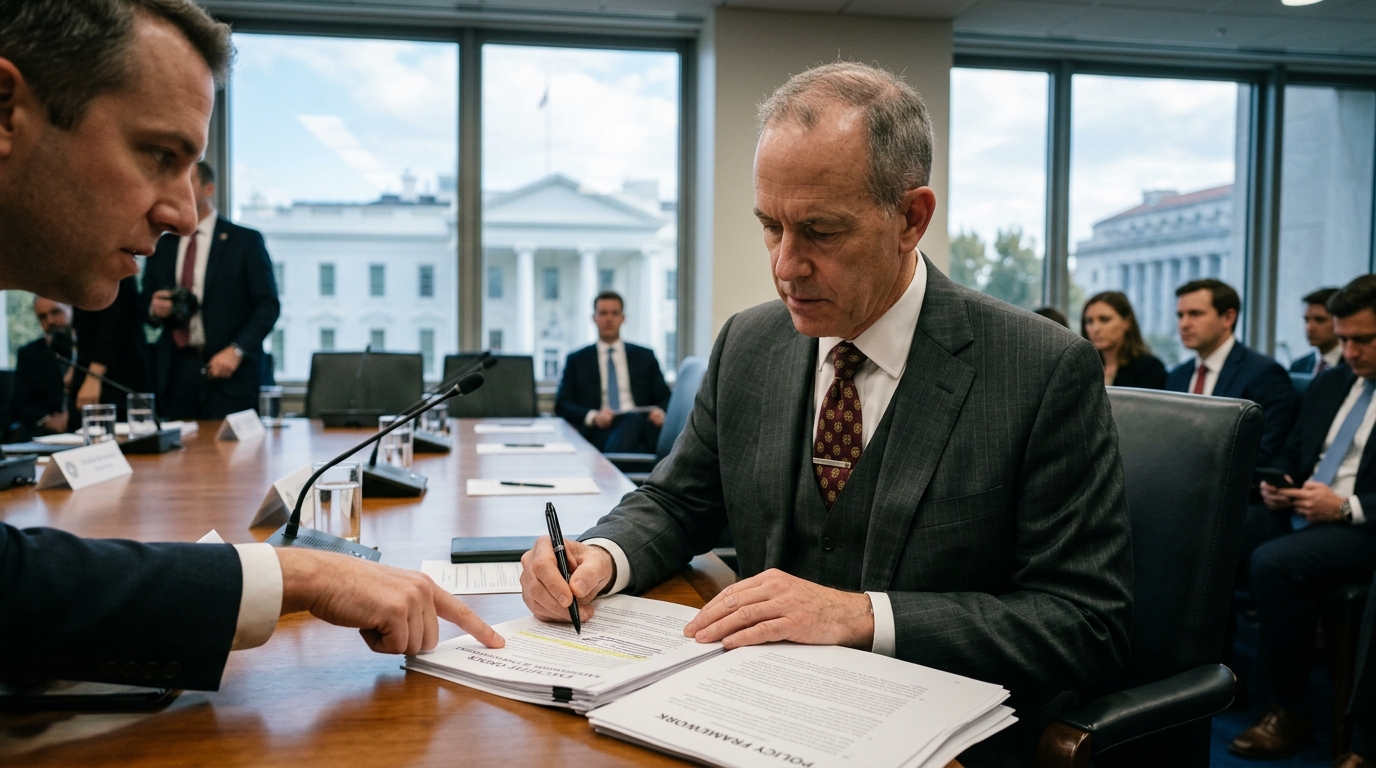
In a move reflecting a cautious 'wait-and-see' strategy, the Governing Council of the European Central Bank (ECB) has decided to keep its key interest rates unchanged during its recent meeting in Frankfurt. This decision, though widely anticipated by market participants, underscores the complexity of the current economic landscape in the Eurozone, where inflation shows signs of receding but remains above the 2% target, while growth falters.
The Persistence Strategy and the Shadow of Inflation
ECB President Christine Lagarde, during the press conference, made it clear that the battle against inflation is not yet definitively won. Despite the easing of energy prices, underlying inflation—excluding volatile energy and food components—remains stubbornly high, driven primarily by price increases in the services sector and wage pressures. The ECB appears to be adopting a 'meeting-by-meeting' data-dependent approach, refusing to commit to a predetermined path for interest rate cuts.
- Services inflation remains the primary concern for central bankers.
- Wage growth in Europe, while necessary to restore purchasing power, could trigger a secondary inflationary wave.
- Geopolitical instability in the Middle East continues to be an unpredictable factor for fuel prices.
The Specter of Stagnation in the Eurozone
While the ECB remains focused on price stability, economic activity in the Eurozone is emitting distress signals. Germany, Europe's traditional economic engine, is in a state of stagnation, while manufacturing across the continent suffers from high borrowing costs. Maintaining interest rates at high levels for a prolonged period ('higher for longer') carries the risk of turning a mild slowdown into a deep and protracted recession.
"We are not yet where we want to be, but we are on the right path. Patience is a virtue in monetary policy," Lagarde stated, attempting to temper expectations for immediate rate cuts.
This precarious balance between the need for cheaper money to stimulate growth and the need for expensive money to tame prices represents Frankfurt's greatest challenge in 2026. Analysts estimate that the first rate cut could occur later this year, provided that employment and price data confirm a steady downward trajectory for inflation.
Global Context and Future Projections
The ECB's stance does not exist in a vacuum. The divergence between the monetary policies of the US Federal Reserve and the ECB is a point of intense scrutiny. Should the Fed begin cutting rates sooner, it could lead to an appreciation of the Euro, which would help lower import costs but could hurt European exports. Conversely, if the ECB acts too early, it risks reigniting inflation and losing the hard-won credibility it has built over the past two years.
As we move further into 2026, the focus will shift from 'how high' rates should go to 'how long' they should stay at restrictive levels. The transmission mechanism of monetary policy is working, but its full impact on the real economy is still unfolding. For now, the ECB chooses the path of prudence, prioritizing the long-term health of the Euro over short-term economic relief.