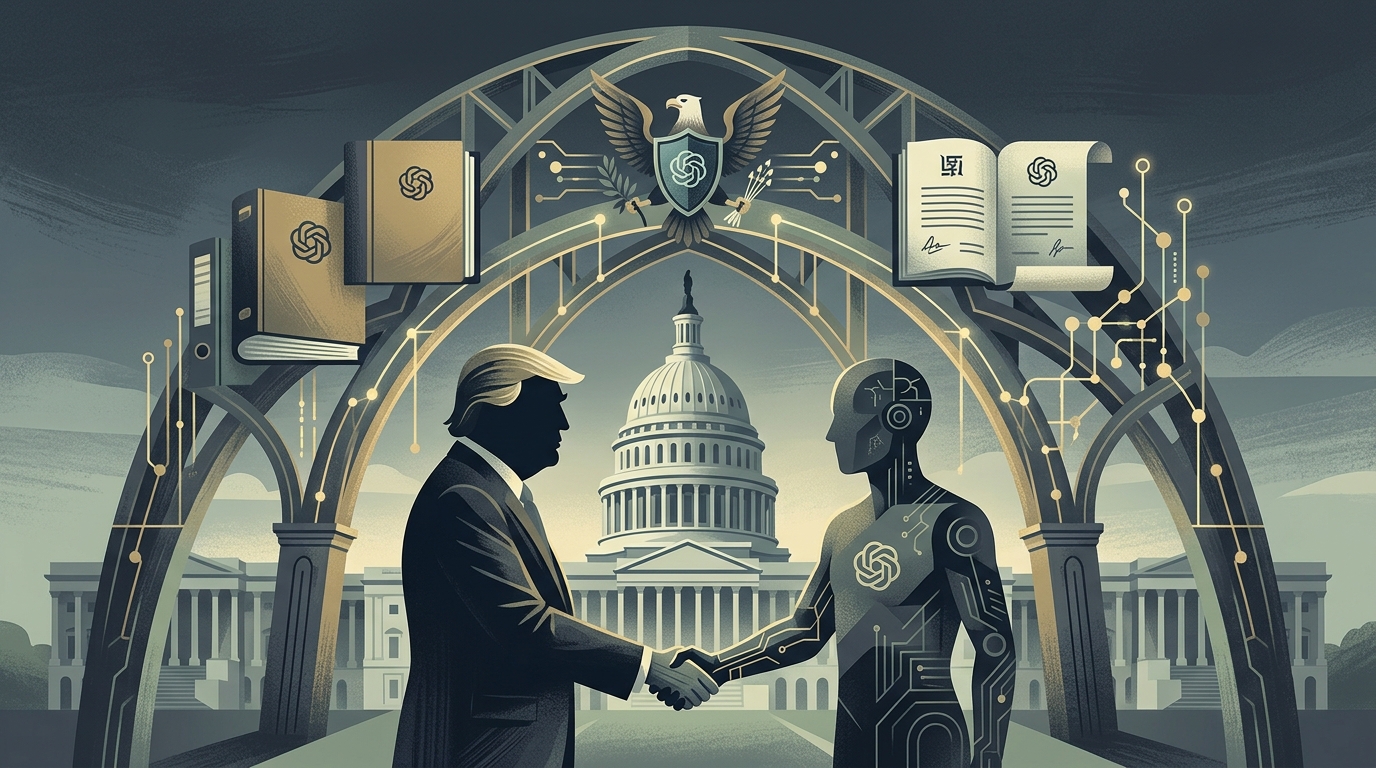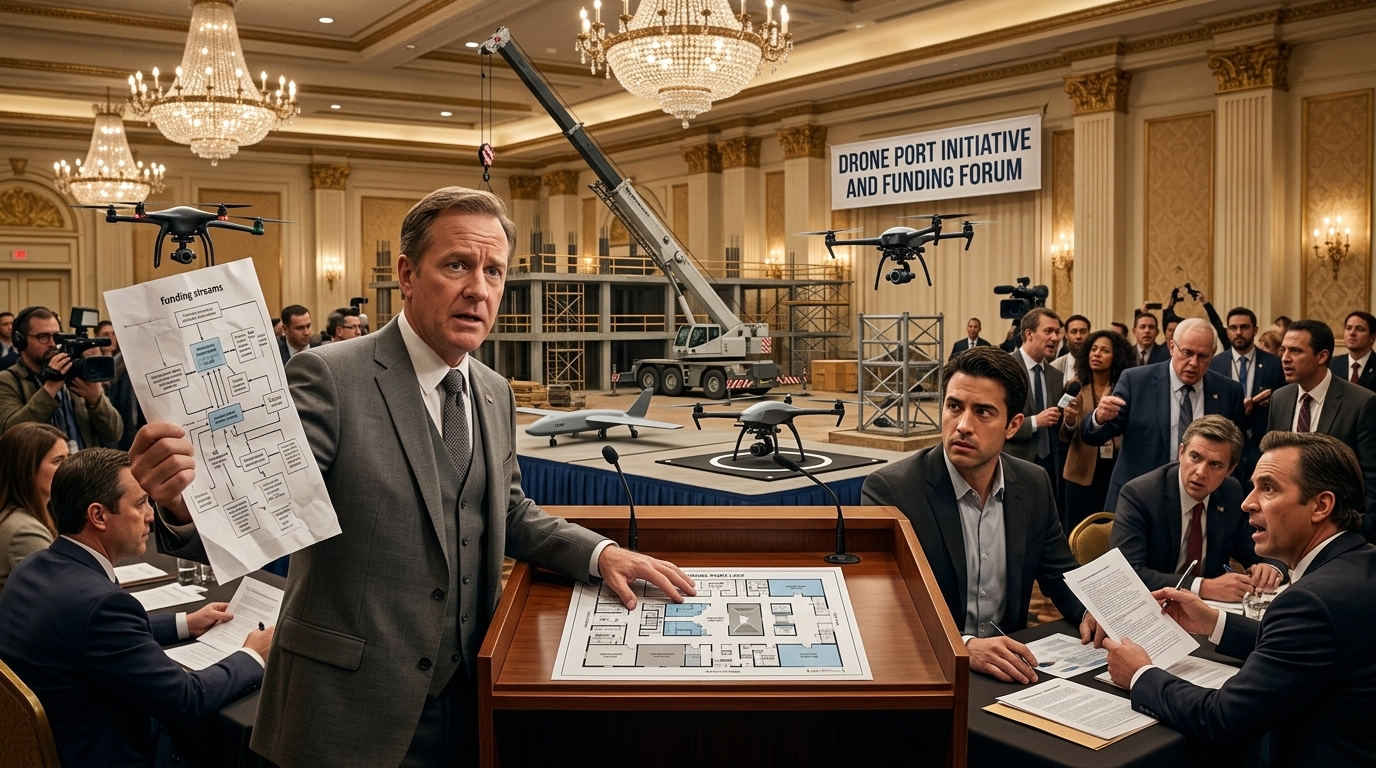
In the heart of Palm Beach, amid the crystal chandeliers and gilded opulence of the Mar-a-Lago ballroom, a new form of political power is crystallizing. It is no longer just about campaign rallies; it has become the epicenter of a fierce and often toxic dispute over the future of American drone technology. As 2026 unfolds as a year of critical national security decisions, the pressure on Congress to fund a network of "drone ports" has turned the corridors of power into a legislative battlefield.
The Drone Port Strategy and National Security
The concept of drone ports is about much more than landing pads. These are critical infrastructures featuring rapid charging stations, edge computing data hubs, and command centers for autonomous systems. The administration’s allies within the Republican Party are pushing a vision where the United States is covered by a network of these stations, ensuring that the American supply chain and border surveillance do not depend on foreign technology.
The primary argument is the decoupling from Chinese dominance, specifically DJI. The rhetoric emanating from Trump’s inner circle is clear: "Either we build our own infrastructure now, or we surrender our skies to Beijing." However, this strategy comes with a massive fiscal price tag that many fiscally conservative lawmakers find difficult to swallow. The toxicity arises from the tactics used: those who question the spending levels find themselves facing accusations of being "unpatriotic" or, worse, serving Chinese interests.
Funding Mayhem and the GOP Civil War
“Republicans are just going to have to suck it up and get it done,” a senior Trump aide remarked regarding the budget deadlock. This phrase encapsulates the uncompromising stance of the leadership, demanding total alignment. Yet, the votes in Congress are far from guaranteed. A faction of lawmakers focused on deficit reduction refuses to sign blank checks for projects they believe favor specific contractors who frequent the Mar-a-Lago social circuit.
- The clash over the Infrastructure 2.0 bill including drone port allocations.
- Lobbying pressure from US firms like Skydio and Anduril.
- Threats of primary challenges against those who resist the funding measures.
- Concerns over data privacy and the management of information collected by these hubs.
The situation is described as "mayhem," as negotiations have migrated from institutional offices to social galas and private dinners. This shift of the political process into private venues has sparked outrage among Democrats and unease among traditional Republicans who see institutional norms being bypassed in favor of ballroom deals.
Lobbying Influence and the Future of American Skies
Behind the political grandstanding lies a massive market opportunity. Companies promising to build these ports have invested millions in donations and lobbying efforts. The promise of thousands of jobs in swing states is the bait, but the risk of a state-funded bubble is palpable. Critics point out that the rush to mandate this infrastructure could lead to technological monopolies, where a few companies with access to Trump’s inner circle control the nation's aerial highways.
“We aren’t just building infrastructure; we are building the 21st-century wall, this time in the air,” a proponent of the plan stated.
In conclusion, the battle over drone ports is a microcosm of the broader political landscape in the US in 2026. It is a collision between technological nationalism, fiscal realities, and a new form of political influence that does not hesitate to use toxicity as a tool of persuasion. Whether Congress will cave or find a middle ground will determine not only who flies over American heads but also how decisions are made in Washington for years to come.