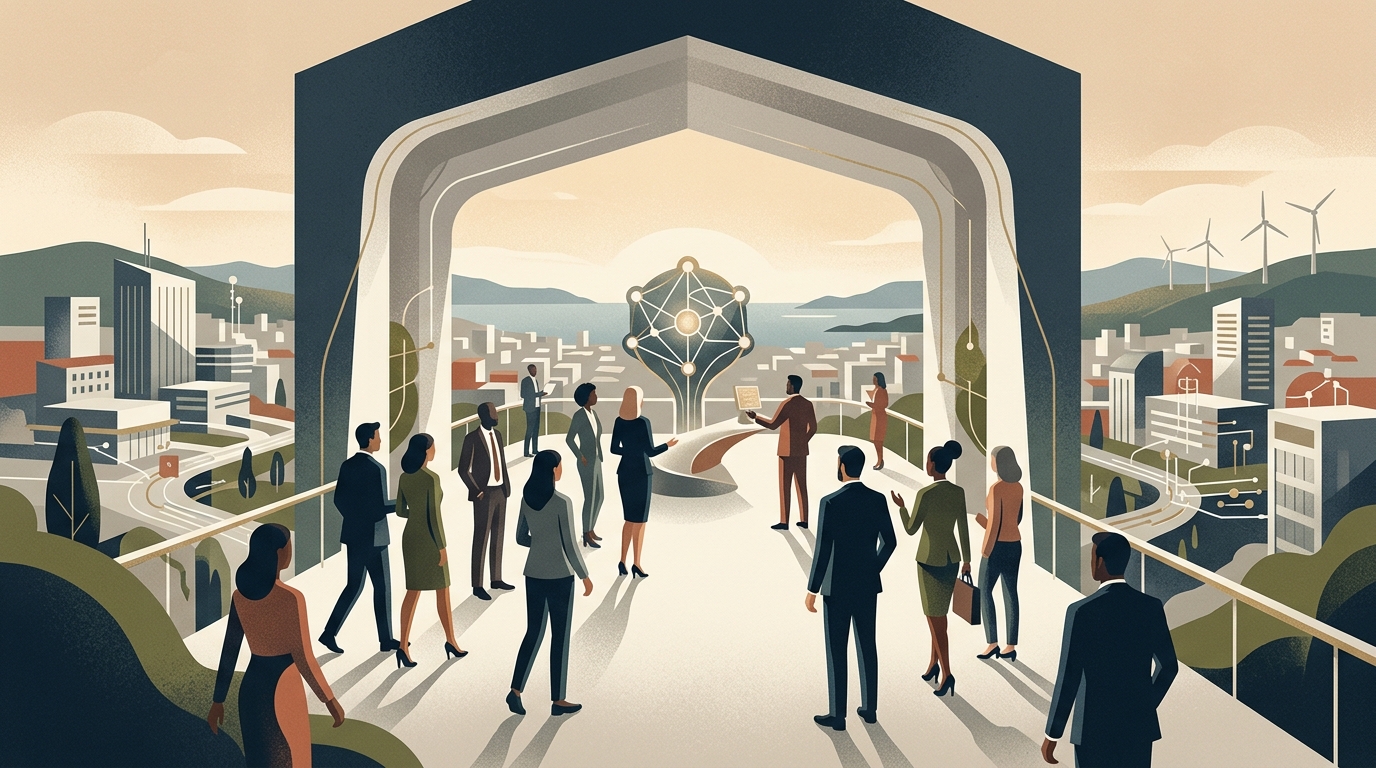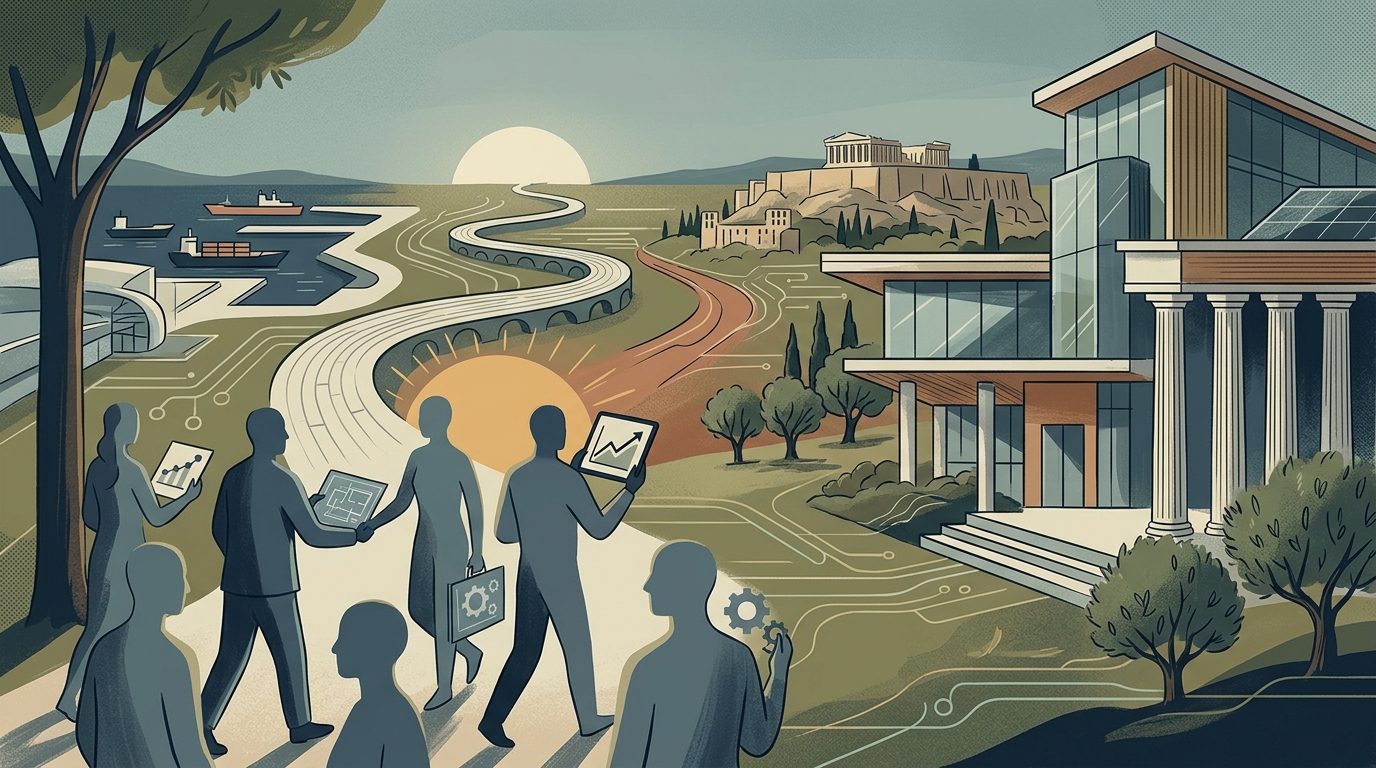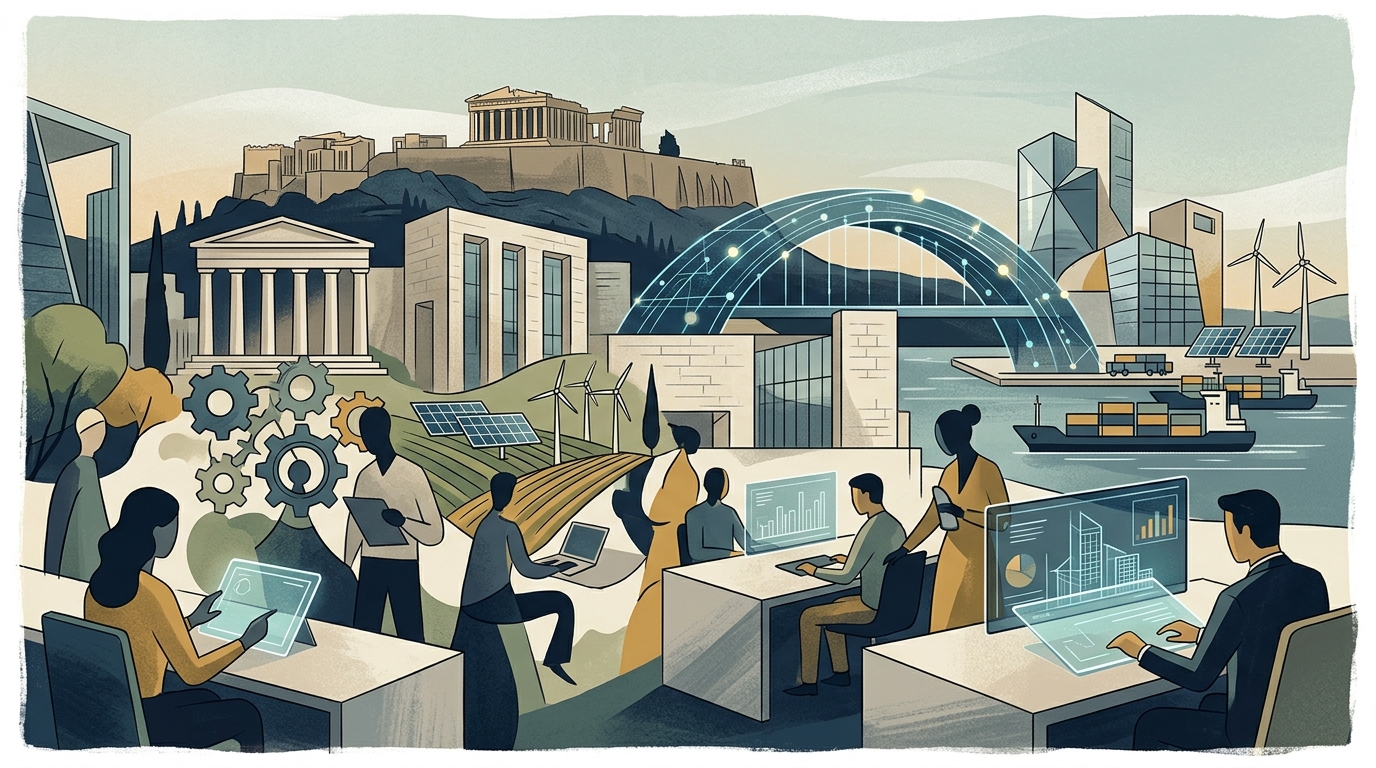
Education in the 21st century stands at a critical crossroads. The emergence of Generative Artificial Intelligence (AI) is not merely another technological addition to classrooms but a fundamental shift in how the new generation perceives, processes, and produces knowledge. From Vietnam to Greece, students of the digital age are now learning to coexist with algorithms that can write essays, solve complex mathematical problems, and simulate historical dialogues in seconds.
The Transition to the Algorithmic Era
For a generation born with a smartphone in hand, AI is a natural extension of their digital world. However, the speed at which tools like ChatGPT and Gemini have entered the educational process has left systems largely unprepared. The traditional method of rote memorization and assessment through take-home assignments is under severe threat. As analysts point out, the risk is not just plagiarism, but the gradual atrophy of critical thinking and the capacity for deep work.
"AI in education must be the co-pilot, not the pilot. If we allow the algorithm to think on behalf of the student, we will end up with a generation that possesses information but lacks wisdom."
In countries with rapidly growing tech cultures, such as Vietnam, the adoption of AI is seen as a means to bridge the gap with the West. There, the emphasis is on personalized learning, where algorithms adapt difficulty levels to each student's needs. This model promises to democratize quality education, provided the necessary infrastructure and internet access are available.
The Global Context and the New Classroom
Globally, the discussion regarding the "Digital School" has gained new momentum. Governments are pushing for the integration of digital tools, yet the primary challenge remains teacher training. Many educators feel overwhelmed by their students' ability to bypass traditional control methods. The need for a new "digital literacy" is more urgent than ever. It is not enough for a student to know how to use AI; they must understand how it works, what its biases are, and how to fact-check the information it provides.
- Redefining assessment: Shifting from home-based assignments to oral exams and in-class critical analysis.
- Ethical AI use: Introducing ethics courses regarding the use of technology.
- Enhancing human skills: Focusing on empathy, collaboration, and creativity—areas where AI currently falls short.
Risks and Socio-Economic Disparities
Despite the promises, AI carries the risk of widening socio-economic disparities. Students from affluent backgrounds with access to premium AI tools and private tutoring will have a disproportionate advantage over those relying solely on public schooling. Furthermore, there is concern about "algorithmic bias," where educational models might reproduce stereotypes or ignore the cultural nuances of smaller nations.
The role of the educator is being transformed from a transmitter of knowledge to a mentor and facilitator. In this new era, the teacher is the one who will teach the student how to ask the right questions (prompt engineering) and how to challenge the answers they receive. The pedagogical relationship is regaining a deeply human dimension, as technology takes over the administrative and repetitive parts of learning.
Conclusion: Shaping the Future
The generation of digital-age students are not just users; they are the future co-creators of an AI-driven world. The success of integrating AI into education will be judged by our ability to preserve the human essence of learning: curiosity, skepticism, and ethical responsibility. Whether in the classrooms of Athens or the tech hubs of Vietnam, the challenge is universal: an education that liberates the mind rather than trapping it within predetermined algorithms.