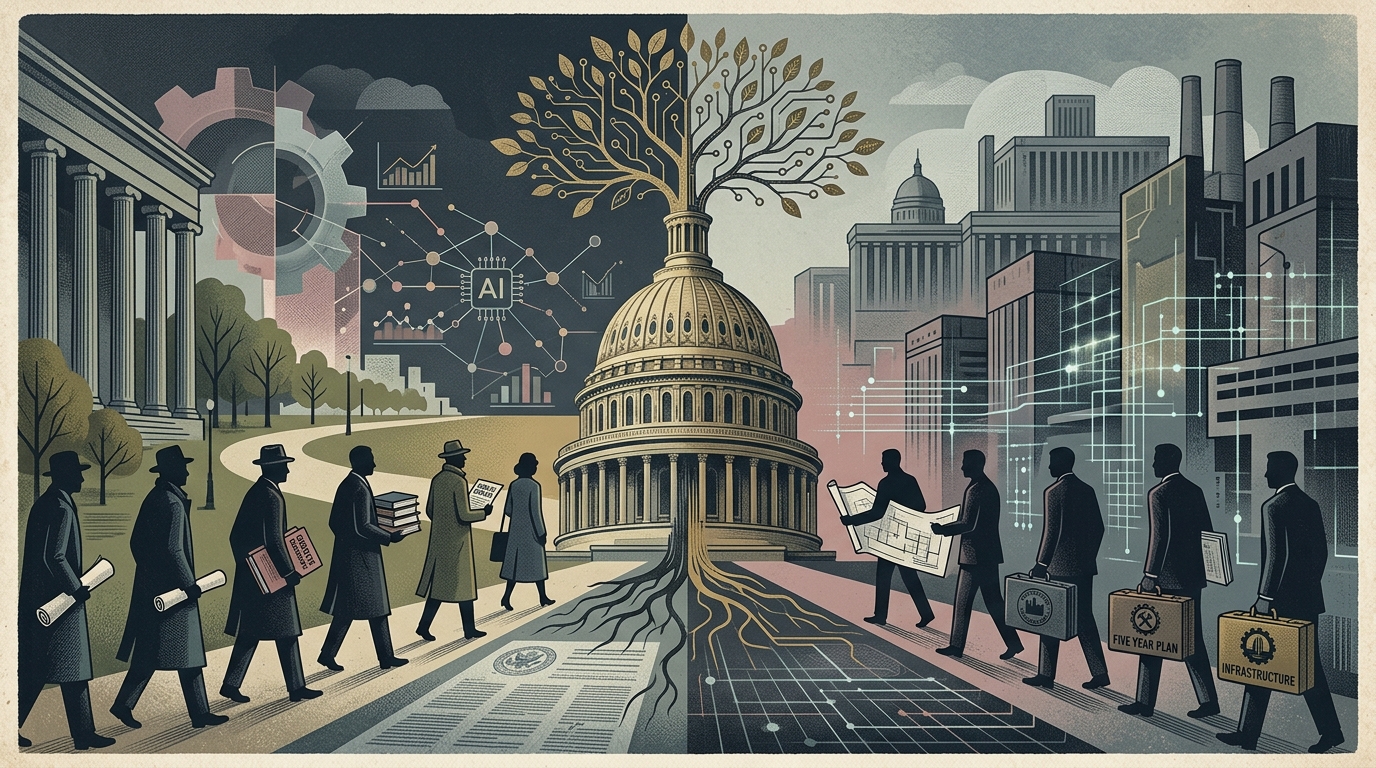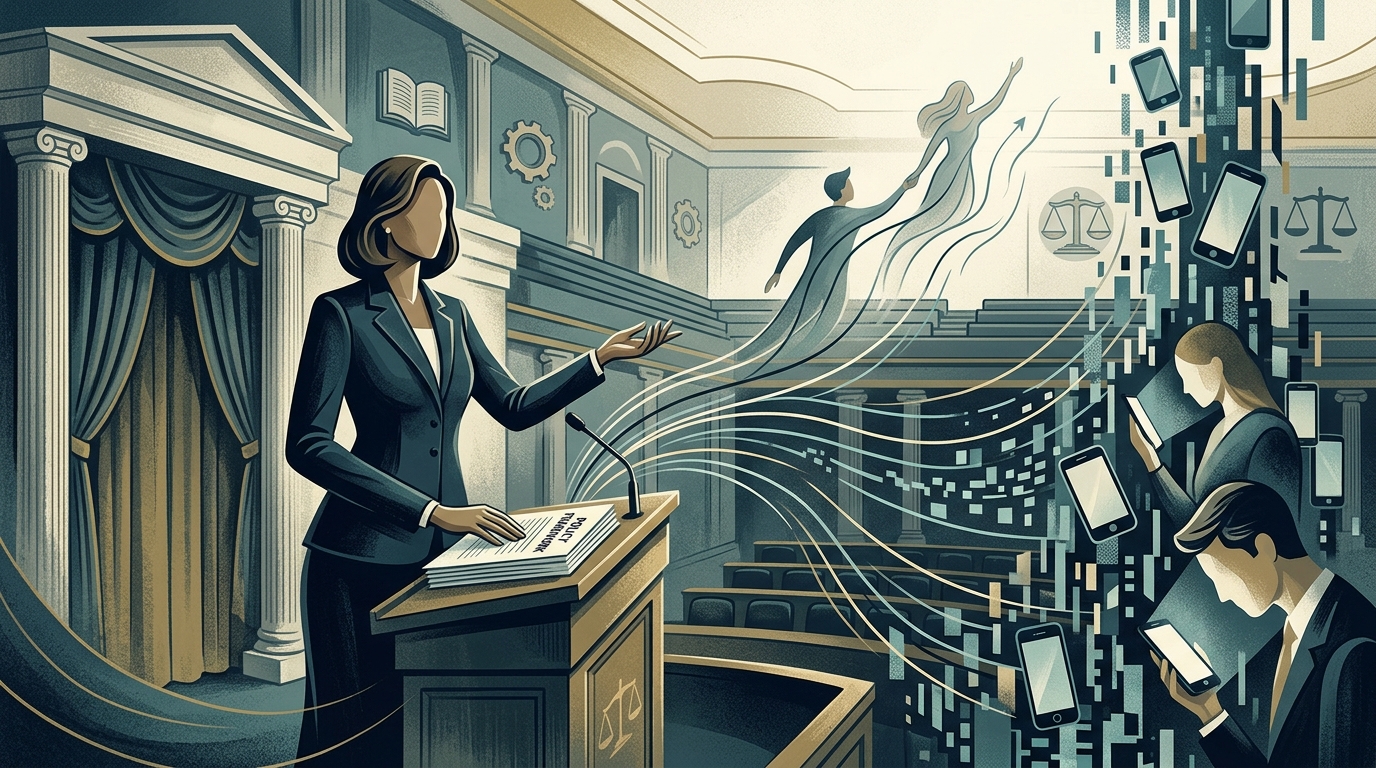
In an era where digital reality is being radically reshaped by the advent of Artificial Intelligence (AI), Domna Michailidou places the protection of the most vulnerable social group—minors—at the heart of public discourse. Her intervention is not merely a political stance but a cry of concern for the mental health and cognitive development of children growing up in an environment dominated by algorithms. The need for a clear, transparent, and ethically oriented framework for AI is no longer a theoretical exercise but an imperative social necessity.
Algorithmic Addiction and the Psychology of Minors
Artificial Intelligence, through social media and entertainment platforms, utilizes sophisticated algorithms designed to maximize user engagement time. For an adult, this is a challenge; for a minor, whose prefrontal cortex is still developing, it can be devastating. Ms. Michailidou points out that the "reward" mechanisms triggered by AI—such as personalized feeds and constant notifications—create behavioral patterns similar to substance addiction.
Protection from these "addictive behaviors" requires a dual approach. On one hand, imposing restrictions on tech companies to prevent the use of manipulative tactics (dark patterns) in content aimed at children. On the other hand, strengthening the resilience of children themselves through education. Artificial Intelligence is not a neutral tool; it is a force that can shape personalities, and without the proper framework, this shaping occurs without the oversight of society or the family.
Parental Education: The First Line of Defense
The most innovative point of Domna Michailidou's proposal is the focus on parental education. Often, there is a "digital divide" between generations, where parents feel powerless to keep up with the technological developments their children adopt. Ms. Michailidou argues that the state must take an active role in educating guardians so they can recognize the early signs of digital addiction and isolation.
- Understanding how content recommendation algorithms function.
- Recognizing the risks of deepfakes and misinformation.
- Establishing healthy boundaries for technology use within the home.
- Using AI-based parental control tools to protect children.
This education should not be a simple briefing but a structured program integrated into social services and schools. The goal is to transform the parent from a passive observer into an active digital mentor.
The European Framework and the Greek Initiative
The discussion about AI in Greece does not take place in a vacuum. The European Union's AI Act sets the foundation, but national specialization will determine the effectiveness of the measures. Domna Michailidou emphasizes that Greece can and should lead in implementing policies that combine technological innovation with social welfare. Protecting minors is not an obstacle to growth but a prerequisite for a sustainable digital economy.
"Artificial Intelligence is the future, but that future belongs to our children. If we do not ensure they grow up in a safe digital environment, then technological progress will have failed in its most fundamental purpose: serving humanity," she states.
In conclusion, the proposal for a clear AI framework and the investment in parental education represent a holistic response to 21st-century challenges. It is a battle for the attention, thought, and soul of the new generation, and in this battle, the state must be present with courage and foresight.