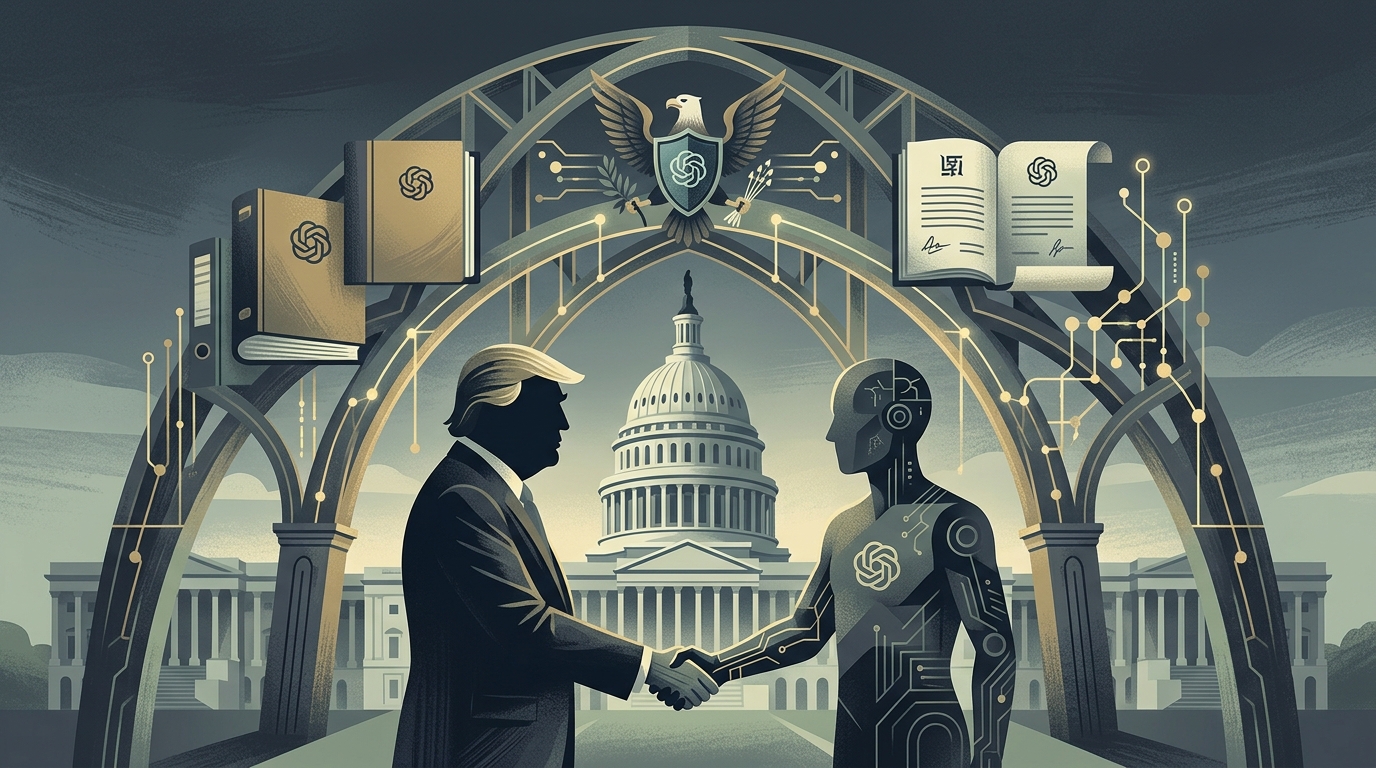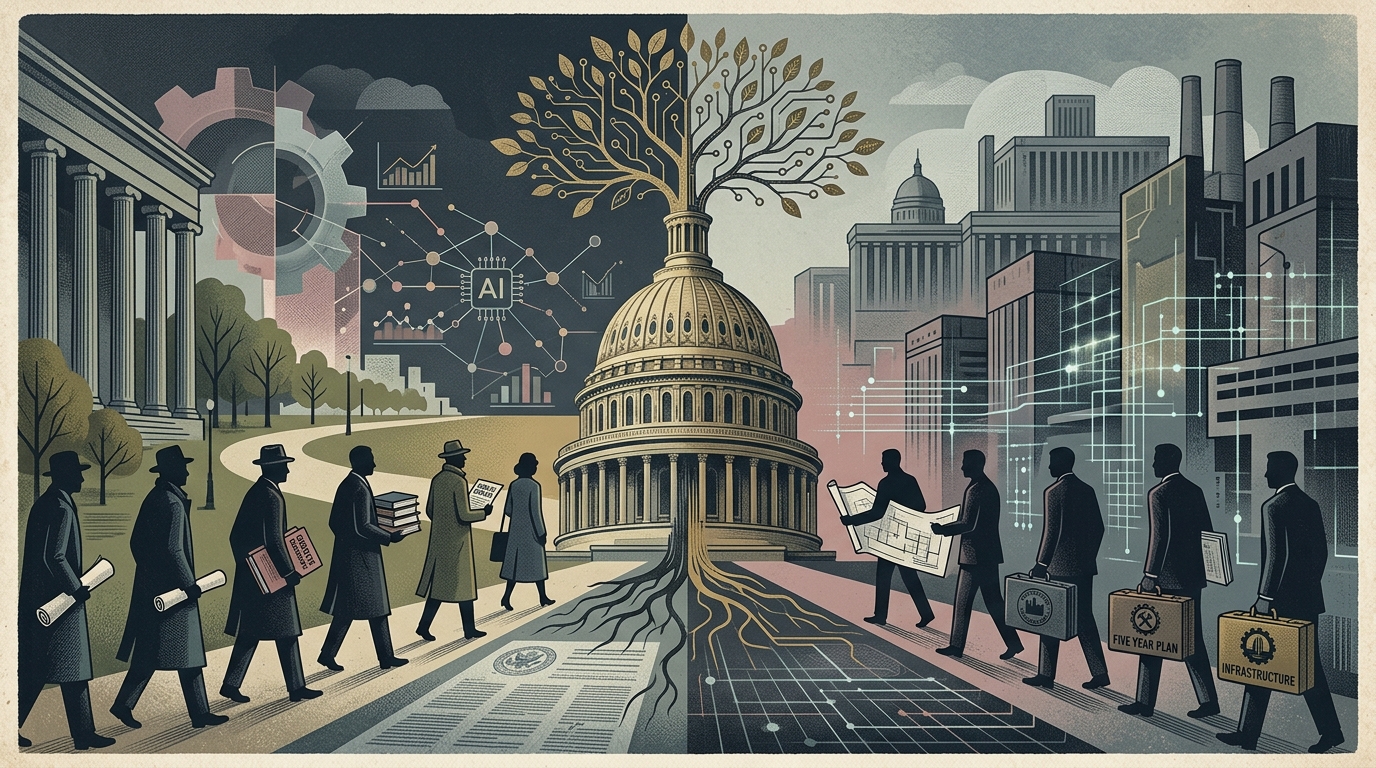
In Denver, the political atmosphere is charged as Colorado confronts one of the defining challenges of the digital age: the regulation of Artificial Intelligence (AI). Senate Bill 24-205, originally passed to serve as a "gold standard" for protection against algorithmic discrimination, is now undergoing a radical re-evaluation. With its effective date looming, lawmakers and stakeholders are racing to find the equilibrium between ethical oversight and maintaining a competitive environment for tech innovation.
The Genesis and Philosophy of SB 24-205
The original bill, signed by Governor Jared Polis in May 2024, was designed to target "algorithmic discrimination" in critical areas of life. These include employment, housing, banking, insurance, and healthcare. The core premise was simple yet transformative: developers and deployers of "high-risk" AI systems must exercise "reasonable care" to avoid biased outcomes.
However, from the moment of its signing, Polis expressed significant reservations. In an unusual move, he accompanied his signature with a letter warning that the law could stifle innovation and create a patchwork of regulations that might put Colorado at a disadvantage compared to other states. This "signing with an asterisk" set the stage for the current rewriting efforts.
Key Pillars of the Revision Process
The current amendment process is focusing on several critical friction points that have drawn ire from the tech industry:
- Narrowing the "High-Risk" Scope: There is intense pressure to refine the definition of systems covered by the law, ensuring that small businesses using routine automation tools aren't burdened by heavy compliance costs.
- Allocating Responsibility: Clarifying the roles between "developers" (those who build the model) and "deployers" (those who implement it). Industry advocates argue that users cannot be held liable for inherent flaws in code they did not write.
- Trade Secret Protection: New amendments seek to ensure that transparency requirements and mandatory audits do not force companies to reveal proprietary code to competitors or the public.
"We cannot regulate tomorrow's technology with yesterday's fears. We must be precise, or we will drive away the minds building our future," stated a member of the legislative committee leading the revisions.
Colorado as a National Testing Ground
The significance of what is happening in Colorado extends far beyond state lines. With the U.S. Congress remaining largely gridlocked regarding federal AI legislation, states have taken the lead. Colorado, alongside California, is functioning as a policy laboratory. If Colorado can produce a law that safeguards civil rights without exiling startups, it will provide a blueprint for the rest of the nation.
Conversely, a failure or a significantly watered-down law would signal that the tech industry is "too big to regulate" at the state level. Consumer rights advocates warn that excessive exemptions could turn the law into a "paper tiger," leaving citizens vulnerable to opaque algorithms making life-altering decisions.
Conclusion and Future Outlook
The struggle over SB 24-205 is a struggle for the soul of digital governance. As we move closer to 2026, the pressure will only intensify. Corporations demand clarity to plan their investments, while privacy groups demand guarantees. Colorado's ability to revise its law into a functional framework will determine whether AI regulation becomes a collaborative process or a perpetual war between the state and big tech.