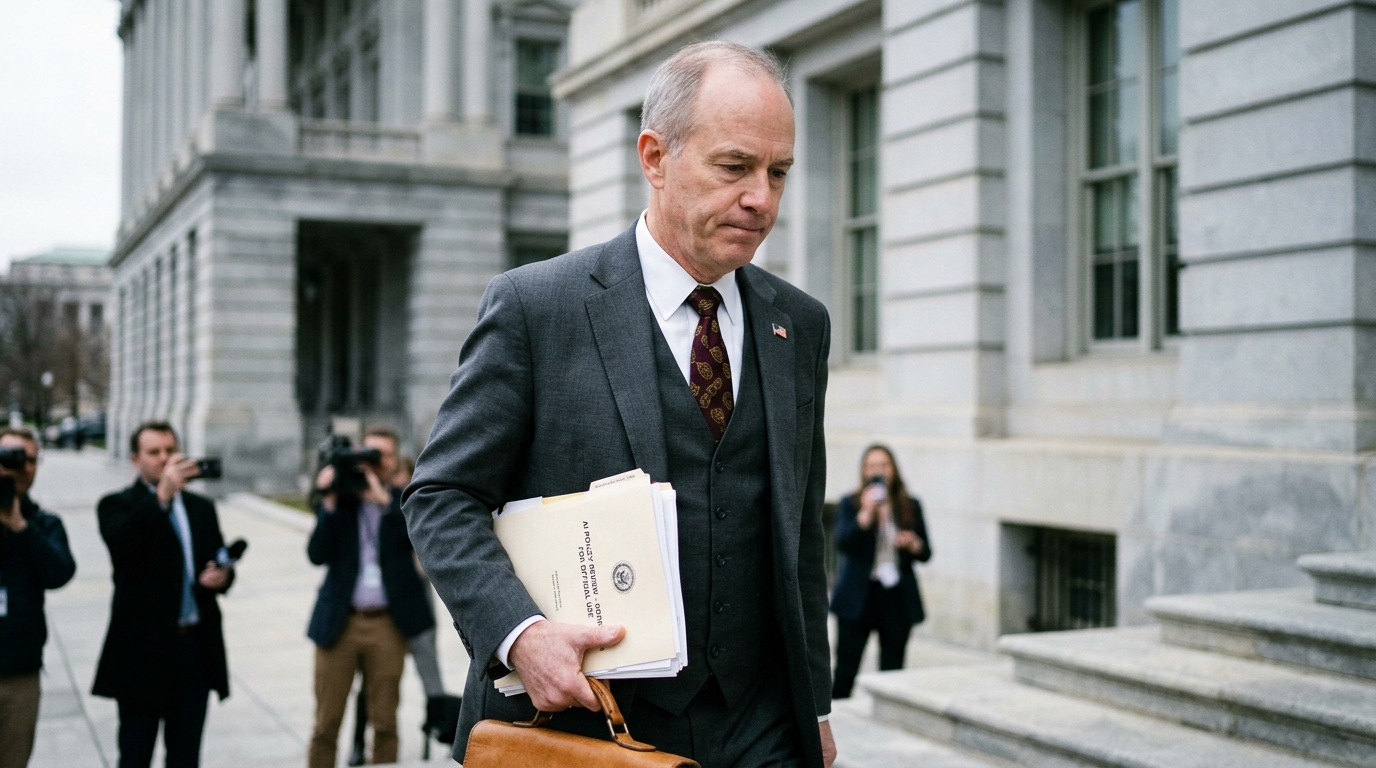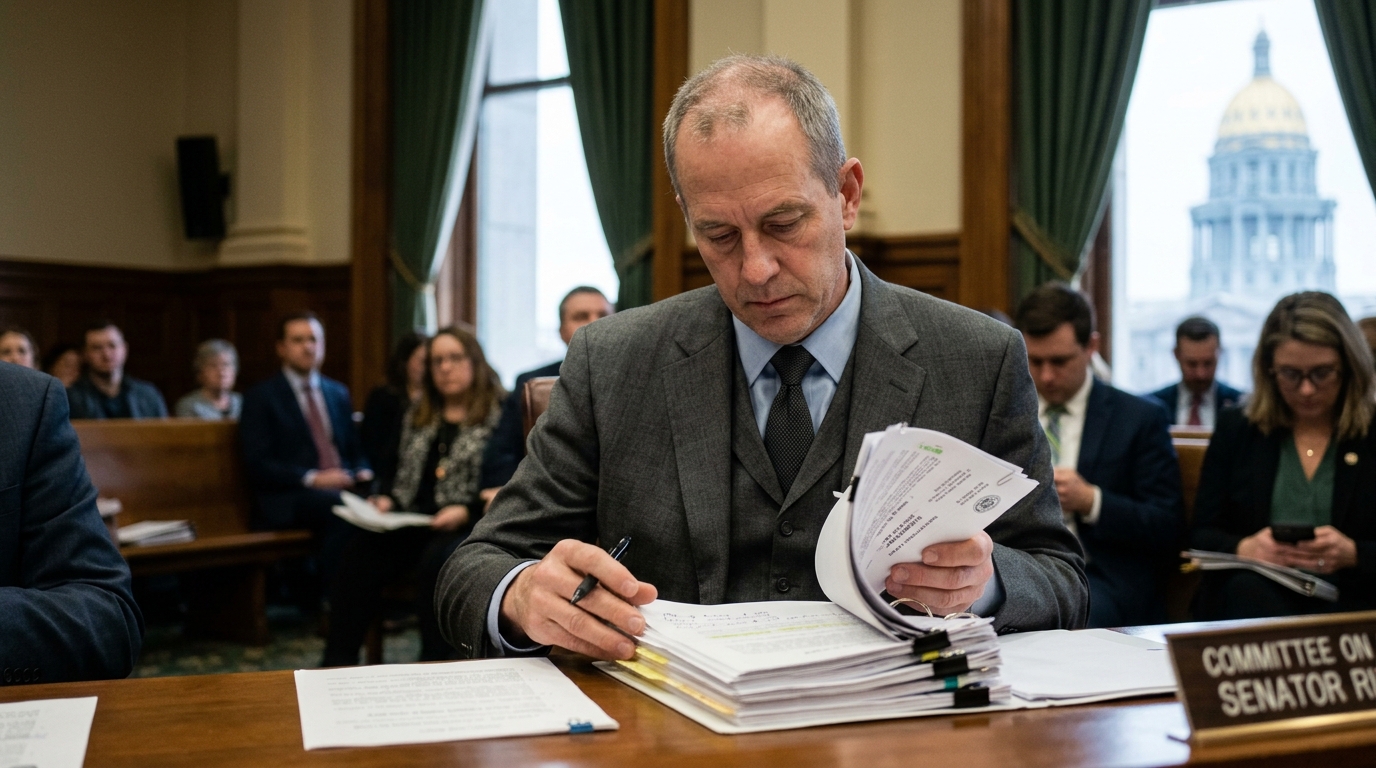
In the heart of Denver, the legislative atmosphere is thick with tension. What began as Colorado’s ambitious attempt to lead the United States in Artificial Intelligence regulation is now evolving into a masterclass in political realism and economic leverage. After two years of intense debate, lawmakers are preparing to rewrite — and significantly scale back — Senate Bill 24-205, once hailed as the nation's most robust framework for protecting consumers from algorithmic discrimination.
The Collision of Ideology and Innovation
The core philosophy of the law was simple yet radical: companies using “high-risk AI systems” to make decisions regarding employment, housing, banking, and insurance would be required to document that their algorithms do not introduce bias based on race, gender, or age. However, the implementation of this vision hit a wall of resistance from the tech sector.
Critics of the law, including major tech giants and local chambers of commerce, argued that the compliance requirements were so burdensome they would stifle innovation. The argument was clear: if Colorado becomes too restrictive, startups will migrate to Texas or Florida, where the regulatory environment is more “friendly.” This threat of “brain and capital drain” seems to have eroded the resolve of Denver’s lawmakers.
The Governor’s Role and Internal Pressures
Governor Jared Polis, despite signing the bill in 2024, expressed serious reservations from the outset. In an unusual move, he accompanied his signature with a letter calling for substantive changes before the law’s full implementation in 2026. Polis, a politician with deep ties to the tech industry, fears that a fragmented, state-by-state patchwork of laws will create market chaos.
- Narrowing the definition of “high-risk systems.”
- Reducing the requirements for detailed impact assessments.
- Exemptions for small and medium-sized businesses using off-the-shelf AI tools.
- Stronger protection of trade secrets during audits.
“We cannot let the perfect be the enemy of the good, but we also cannot let the fear of technology halt progress,” stated a local government official involved in the negotiations.
Implications for Civil Rights
On the other side of the aisle, civil rights organizations are voicing deep concern. They argue that “watering down” the law leaves citizens unprotected against “black box” algorithms that may deny them a job or a loan without any explanation. The lawmakers' retreat is seen as a victory for lobbyists and a defeat for transparency.
The Colorado case serves as a mirror for global challenges. While the European Union moves forward with its AI Act, the U.S. remains torn between the need for protection and the desire for global technological dominance. Colorado tried to bridge this gap but found the bridge too costly to build at this time.
The Future of U.S. AI Regulation
The revision of SB 24-205 will be closely watched by other states like California and Massachusetts, which are considering similar measures. If Colorado ultimately dilutes its legislation, it is highly likely to trigger a domino effect of deregulation across the country. The balance between citizen protection and corporate profitability remains the most difficult problem to solve in the age of AI.