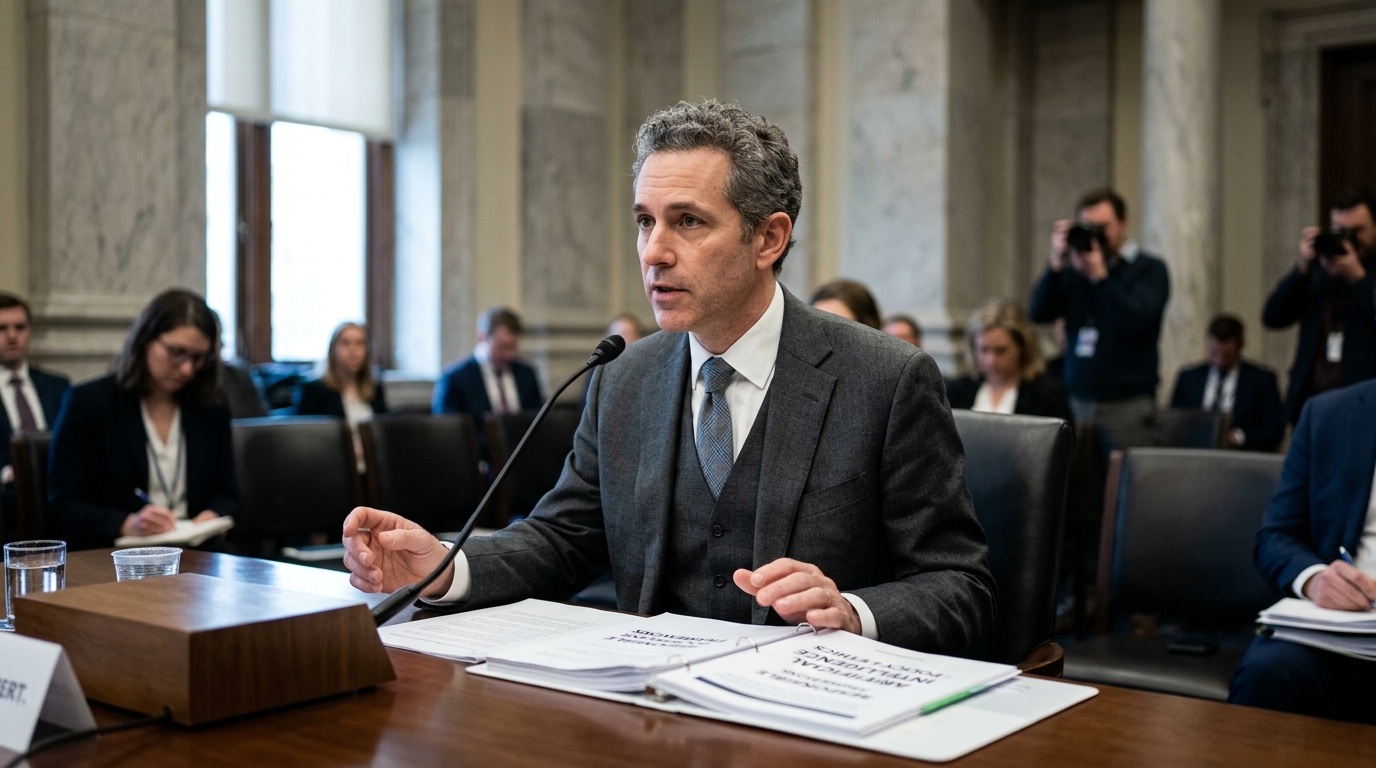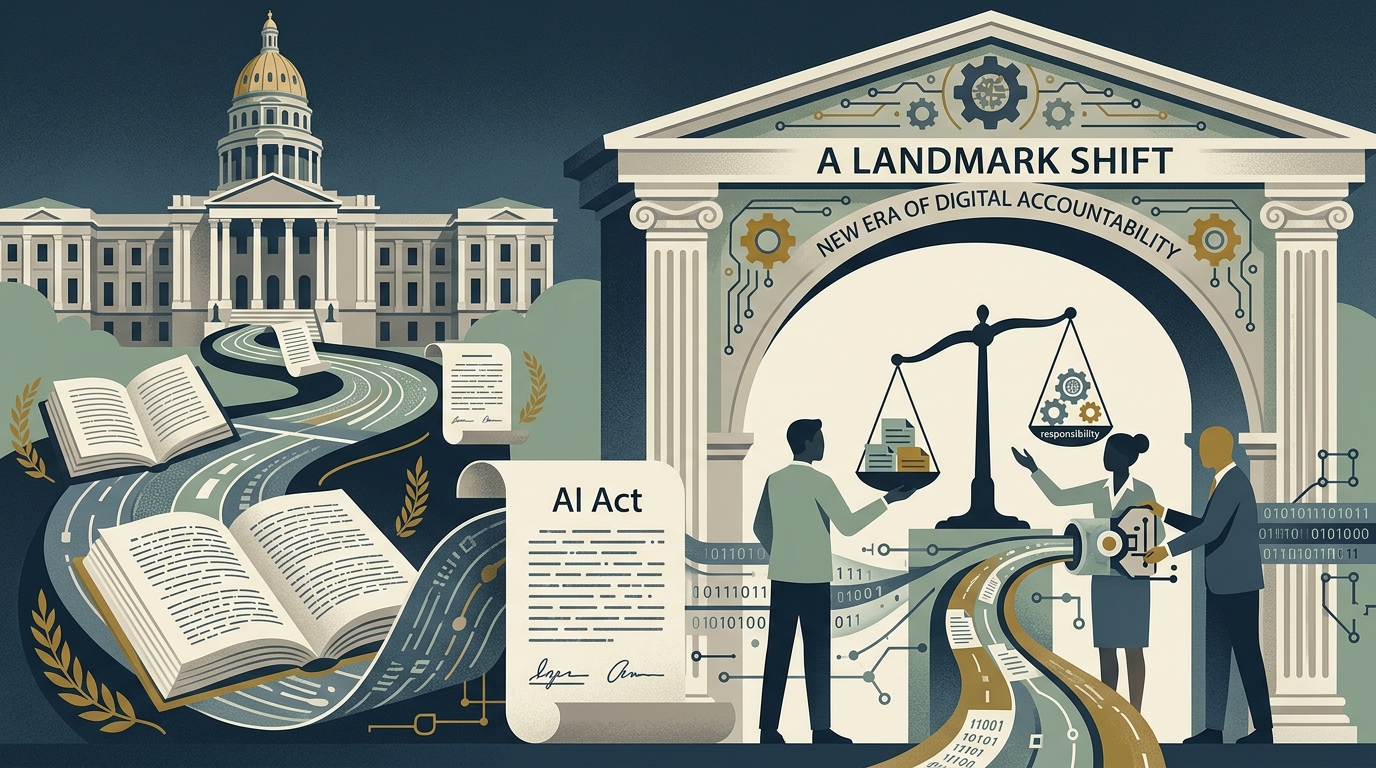
In May 2024, Colorado Governor Jared Polis signed Senate Bill 24-205, a move that today, in June 2026, is recognized as the definitive turning point for technological governance in the United States. As the law entered full enforcement earlier this year, Colorado became the first state to mandate strict "reasonable care" protocols for developers and deployers of high-risk artificial intelligence systems. This legislation is not merely a local intervention but a blueprint being adopted by other states, striving to bridge the gap left by federal inaction in Washington.
The Dawn of AI Regulation in America
For years, the tech industry operated with relative freedom, with innovation vastly outpacing legislation. However, the rapid proliferation of chatbots and algorithmic decision-making systems introduced unprecedented challenges. Colorado's law focuses on preventing "algorithmic discrimination," a scenario where AI systems might exclude individuals from critical opportunities—such as employment, housing, education, or credit—based on protected characteristics like race, gender, or age.
Colorado's approach is pragmatic yet firm. It distinguishes between "developers," who create the algorithms, and "deployers," who use these tools to make decisions. This distinction is vital as it allocates responsibility based on the control each party exerts over the system. Developers are now required to provide detailed documentation regarding model training, while deployers must implement governance programs and conduct annual impact assessments.
Defining "High-Risk": The Core of the Legislation
The key to understanding this law lies in the definition of "high-risk" systems. Not all AI chatbots are treated equally. A chatbot suggesting cooking recipes is not subject to the same rules as an algorithm evaluating mortgage applications. The legislation specifically targets systems that are a substantial factor in making decisions with "legal or similarly significant effects" on citizens' lives.
- Employment: Systems that screen resumes or evaluate employee performance.
- Financial Services: Algorithms determining creditworthiness or loan interest rates.
- Healthcare: Tools assisting in diagnosis or patient care management.
- Housing and Education: Systems affecting access to housing or educational programs.
By enforcing these rules, Colorado seeks to ensure that technology does not become an opaque "black box" but rather a tool accountable to society. Companies violating these rules face fines and legal repercussions, although the law provides a grace period for correcting errors, acknowledging the inherent complexity of the technology.
Transparency and the Right to Know
One of the most immediate changes for the average citizen is the requirement for transparency. Every time a consumer interacts with an AI system, they must be clearly informed. Furthermore, if an adverse decision is made against an individual via a high-risk algorithm, the system's deployer is obligated to provide an explanation and allow the individual the opportunity to contest the decision.
"Technology must serve humanity, not secretly sort it into categories without a right of rebuttal," stated one of the bill's sponsors during the signing ceremony.
This approach changes the dynamic of the state-citizen-corporate relationship. Previously, citizens were often helpless against "system errors." Now, they have legal tools to demand justice. Transparency is no longer an optional ethical stance but a legal necessity shaping corporate culture in the tech sector.
The National Ripple Effect and Corporate Compliance
While the law only applies in Colorado, its impact is national. Major tech firms like Google and Microsoft cannot feasibly maintain different systems for every state. Consequently, they tend to adopt the strictest standards across their entire operations to simplify compliance. This phenomenon, known as "The Colorado Effect" (modeled after the California Effect in data privacy), forces the industry to self-regulate at a higher level.
However, the reaction has not been unanimous. Many industry representatives expressed concerns that strict rules could stifle innovation or lead to "defensive AI," where companies avoid using advanced tools to mitigate legal risk. Nevertheless, the Colorado government maintains that consumer trust is the prerequisite for the long-term growth of the AI market. Without rules, social backlash could be far more damaging to technology than any law.