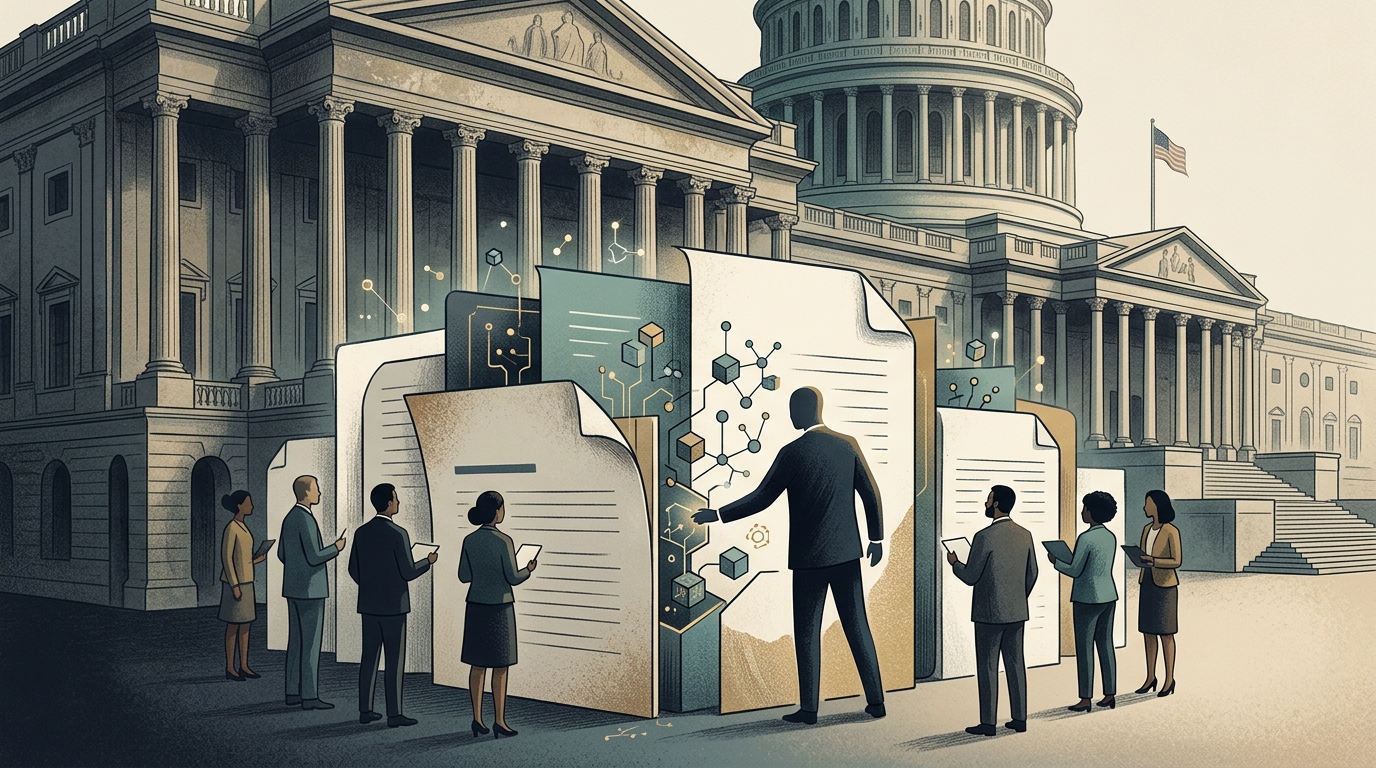
In an era where Artificial Intelligence (AI) is transforming from an experimental tool into a foundational infrastructure of modern society, the voice of one of its primary architects is shaking the foundations of Silicon Valley. Chris Olah, co-founder of Anthropic and head of Alignment Science, recently stated that the development and governance of AI cannot remain the exclusive province of Big Tech giants. His intervention, originally reported by Reuters, highlights a critical paradox: the very companies building the world's most powerful models may be the least suited to establish their safety protocols.
The Trust Deficit and Conflict of Interest
Olah’s central thesis is built on the premise that the pursuit of profit and shareholder pressure create unavoidable conflicts of interest regarding AI safety. In the current geopolitical and economic landscape of 2026, where Microsoft, Google, and Meta are racing for Artificial General Intelligence (AGI) supremacy, the pace of innovation often outstrips the ability of internal ethics teams to audit the implications of their products. Olah argues that "aligning" AI with human values is a scientific and societal challenge that demands external, independent oversight.
"We cannot expect companies to self-regulate effectively when trillions of dollars are at stake," note analysts echoing Olah’s concerns. Anthropic, founded as a Public Benefit Corporation (PBC), attempted to introduce an alternative model, yet even it relies on billions in funding from Amazon and Google, highlighting the immense difficulty of achieving total independence.
A 'CERN for AI' Model
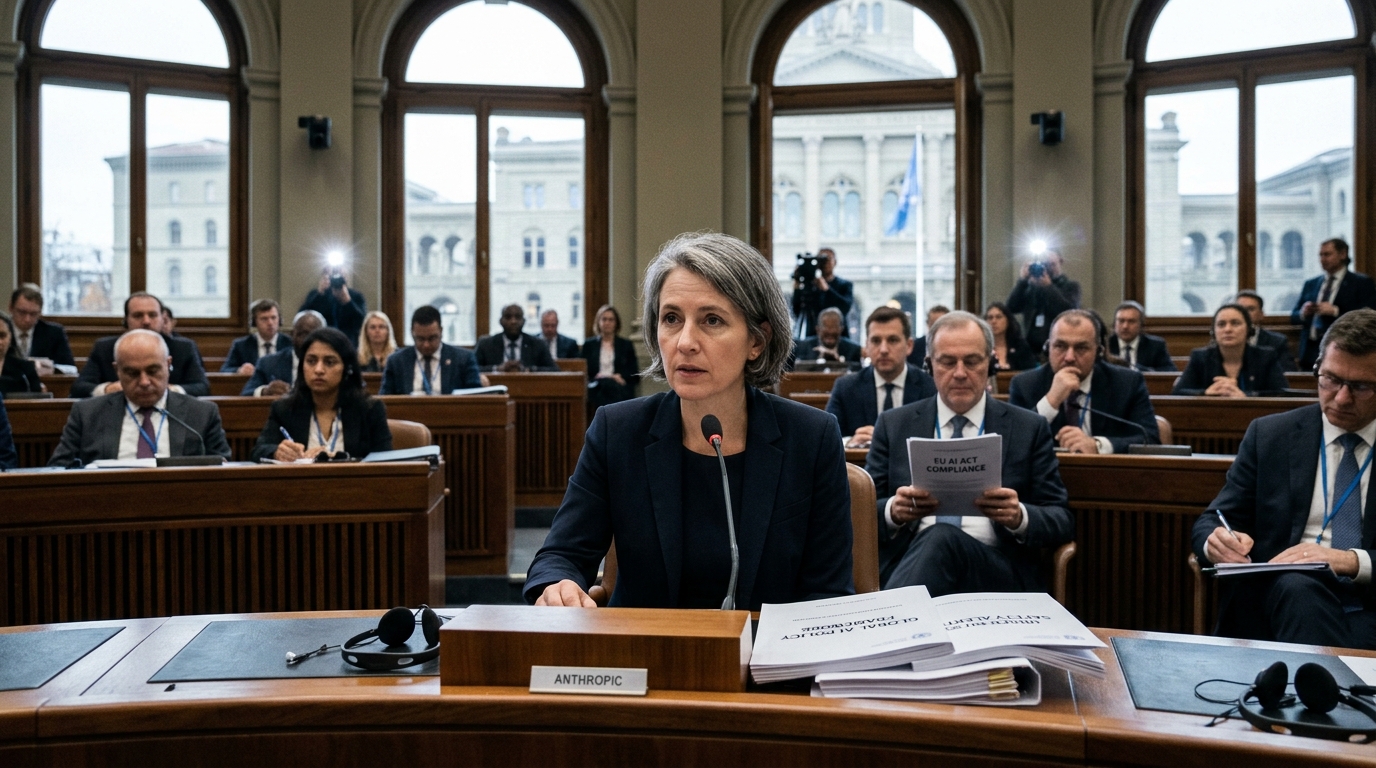
To counter Big Tech's dominance, Olah and other experts propose the creation of international, non-profit organizations to serve as the technology's guardians. The idea of a "CERN for AI" is gaining significant traction in Brussels and Washington. Such an organization would provide academic researchers with access to the massive compute power currently held by a select few, allowing for transparent auditing of models before they reach the general public.
- Independent safety auditing (Red Teaming) by third-party entities.
- Public funding for research into model interpretability.
- Institutionalizing protocols that allow for pausing model training if specific risks are identified.
Olah emphasizes that transparency is not merely an ethical choice but a technical necessity. Without understanding the "black box" of neural networks, humanity risks handing over the keys of decision-making to systems it cannot fully comprehend or control.
The Political Dimension and National Security
This debate is no longer confined to research labs. Governments are realizing that AI is a matter of national sovereignty. However, the state’s reliance on Big Tech’s cloud infrastructure makes regulation a complex balancing act. Olah warns that if AI guidance remains within corporate walls, democratic institutions will be faced with a fait accompli. The need for "outside guidance" is about ensuring technology serves the public interest rather than solely maximizing shareholder value.
"Artificial Intelligence is too important to be left only to CEOs. We need a global scientific community that has the tools and the power to intervene," Olah stated.
In conclusion, Chris Olah’s call serves as a flare sent up from within the industry. As we move into the latter half of the decade, the battle for AI control will shift from who possesses the fastest processor to who has the right to define the future of intelligence on this planet. The challenge remains: can society build these external mechanisms fast enough to keep pace with the blistering evolution of the machines?