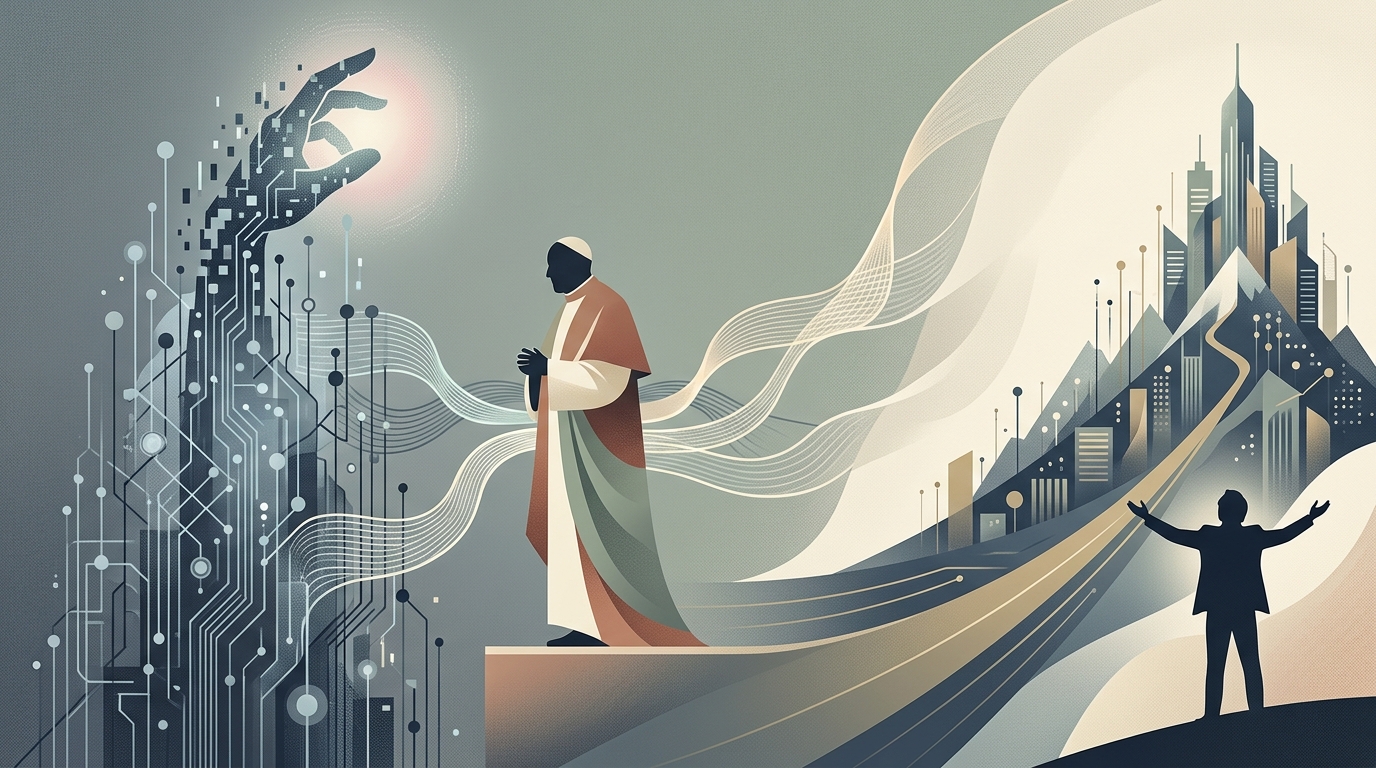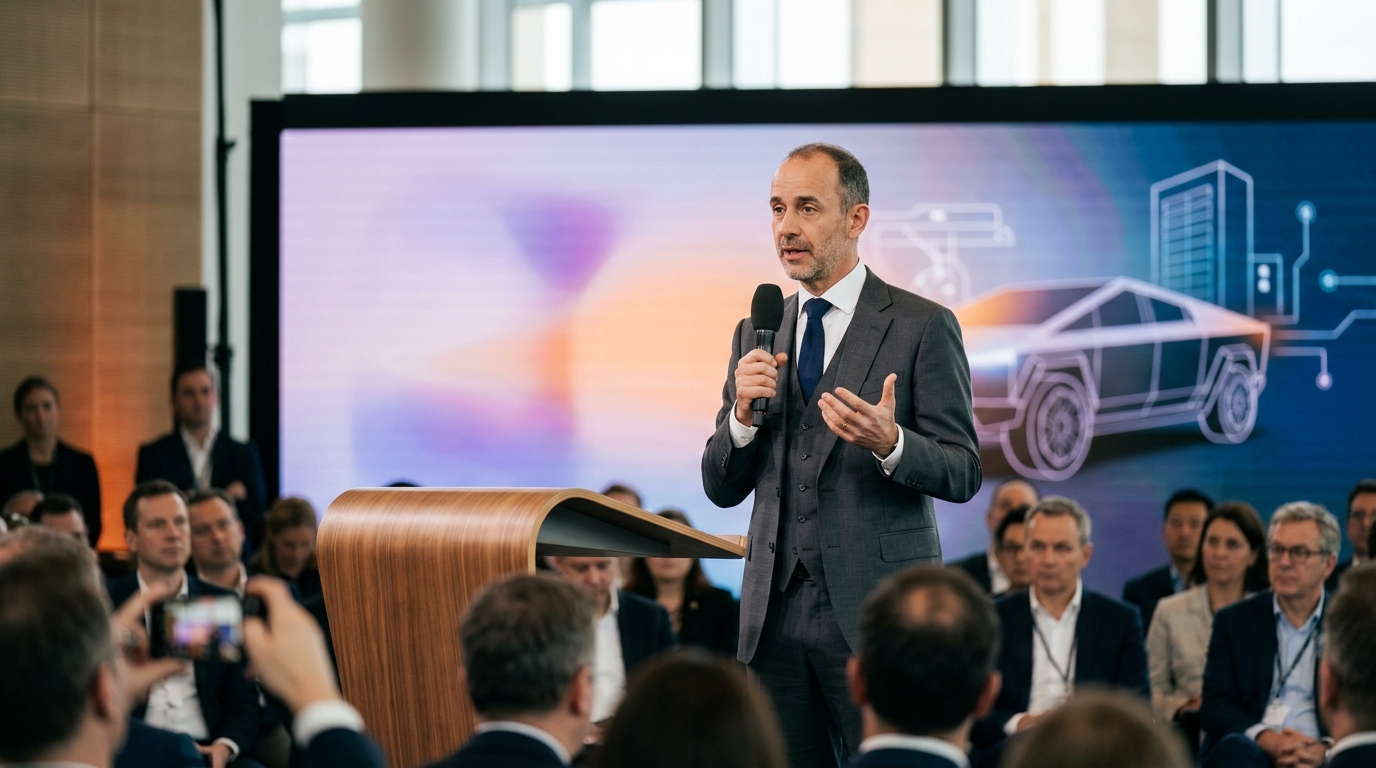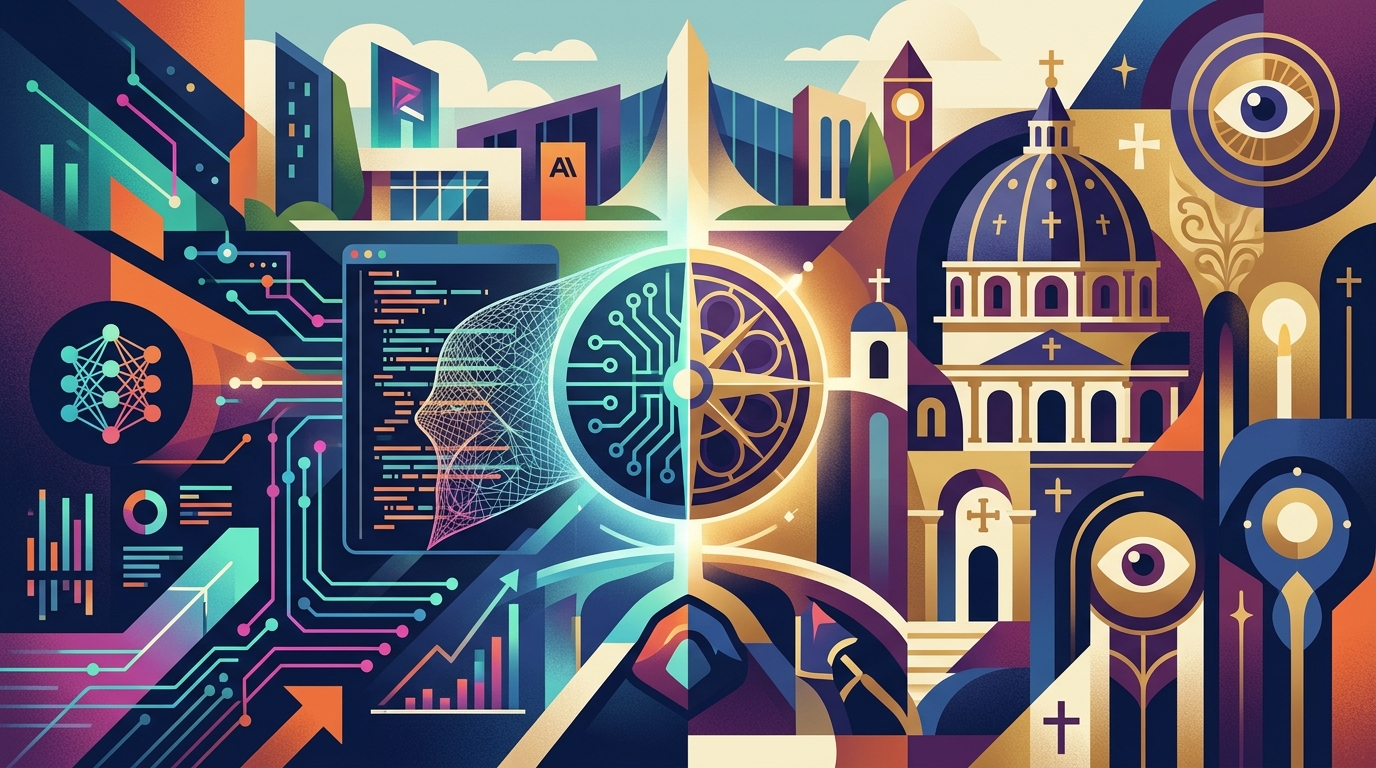
In an era where technological velocity often outpaces ethical preparedness, the recent convergence between Chris Olah, co-founder of Anthropic, and the Holy See at the Vatican marks a pivotal moment for the future of humanity. Olah, a pioneer in the field of "mechanistic interpretability," is attempting to map the internal cognitive architecture of large language models, just as the Vatican, under the guidance of Pope Francis, intensifies its calls for "algor-ethics."
Deciphering the 'Black Box'
Chris Olah is not your typical Silicon Valley engineer. His work at Anthropic focuses on making artificial intelligence intelligible to humans. Today's AI models often function as "black boxes"—we understand the inputs and the outputs, but the internal decision-making process remains a mathematical mystery. Olah employs techniques akin to neuroscience to identify specific "features" within the neural networks, allowing us to see how a model correlates concepts like justice, deception, or religion.
This quest for transparency arrives at a critical juncture. The Vatican, through the Pontifical Academy for Life, has made it clear that the opacity of AI poses a direct threat to human dignity. When a machine makes life-altering decisions regarding health, credit, or freedom without being able to provide a coherent "why," the very foundation of moral accountability is eroded.
The Vatican’s Stand on 'Algor-ethics'
The Vatican's position is not a Luddite reaction to progress, but a profound philosophical intervention. Pope Francis has repeatedly warned against the "technocratic paradigm," where efficiency is prioritized at the expense of humanity. The Vatican’s call for caution centers on three pillars: inclusion, transparency, and accountability. The intersection of the Vatican's rhetoric with Anthropic's technical methodology creates an unlikely but formidable alliance.
- Transparency: The absolute necessity of understanding algorithmic logic.
- Anthropocentrism: Ensuring AI serves humanity, rather than dominating it.
- Justice: Mitigating the biases embedded in training data that perpetuate inequality.
"Artificial intelligence must be directed toward the service of human potential and our common values, not an uncontrolled race for power," the Holy See frequently asserts.
Anthropic: The Ethical Counterweight to Silicon Valley
Anthropic, founded by former OpenAI executives (including Olah and the Amodei siblings), has positioned itself as the "AI safety" company. With its Claude model and the "Constitutional AI" approach, the firm attempts to bake ethical constraints directly into the model's training phase. Olah’s interpretability research is the key to proving that these constraints are actually functioning as intended.
For investors and the broader market, this approach is not merely altruistic; it is strategically sound. In a world where EU and US regulators are increasingly scrutinizing AI safety, the ability to explain an AI's internal logic is a massive competitive advantage. The Vatican’s interest in Olah suggests that religious and ethical authorities may serve as the "regulators of conscience" on the global stage.
Challenges and Geopolitical Implications
Despite the optimism, significant hurdles remain. Interpretability is still in its infancy. While we can understand individual features, fully grasping a model with trillions of parameters remains a Herculean task. Furthermore, the Vatican’s call for caution often clashes with the geopolitical reality of the AI arms race between the US and China. The ethical deceleration requested by the Holy See might be viewed as a strategic liability by certain factions in Washington.
Nevertheless, the dialogue between science (Olah) and ethics (The Vatican) is indispensable. As Olah has noted in various forums, understanding AI is the only way to ensure it doesn't accidentally align with catastrophic objectives. The Vatican adds a spiritual dimension: alignment must not only be technical but must also respect the sanctity of the human person.