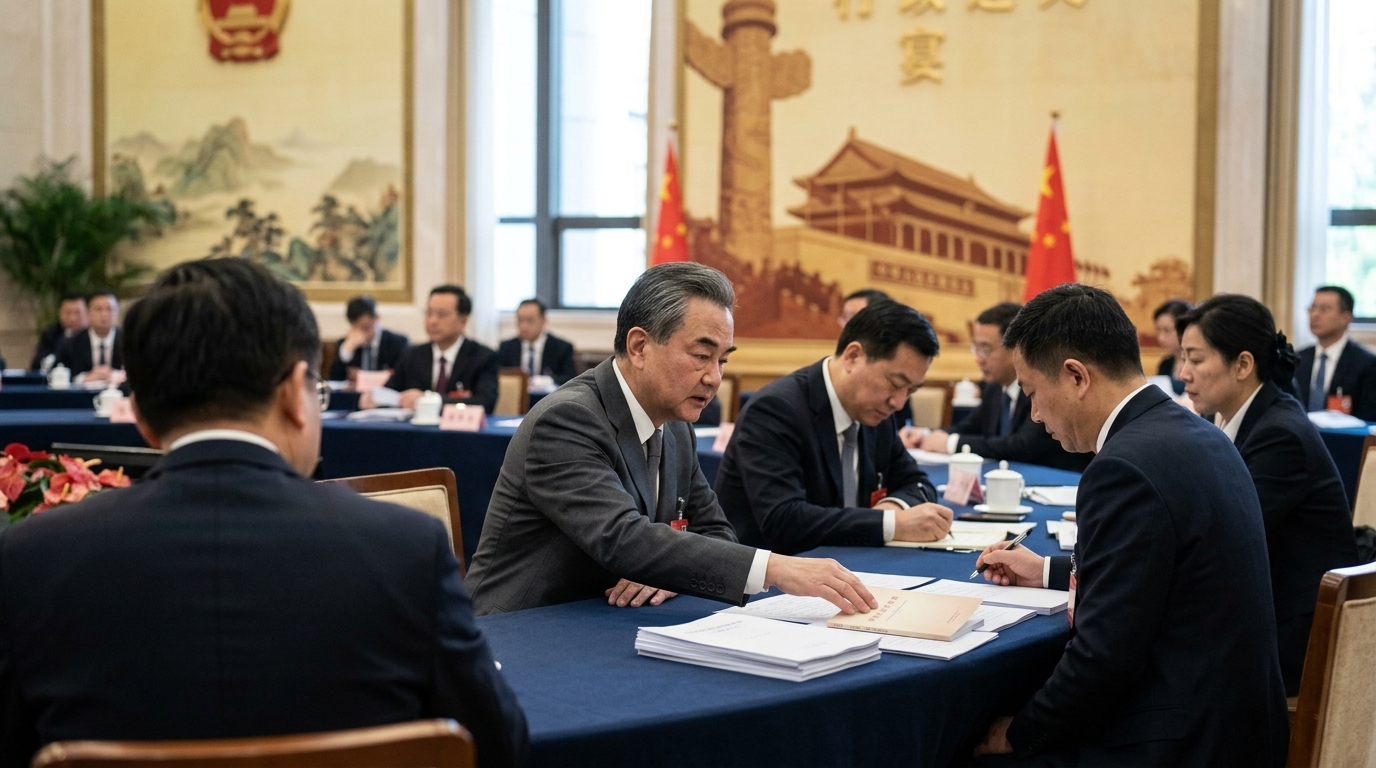
The geopolitical chessboard of technology is vibrating from a decision that is expected to permanently alter the flow of global investment. According to reports leaking from Beijing, the Chinese government has issued a stern directive to three of the country's most significant Artificial Intelligence firms—with ByteDance, the parent company of TikTok, at the epicenter—to cease accepting any new investment from American capital. This move is not merely a reaction to Washington's own bans, but a strategic choice for the total nationalization of China's AI strategy.
The Strategy of 'Total Self-Reliance'
Beijing's decision comes at a time when Artificial Intelligence is no longer viewed as a simple commercial product, but as the foundation of national security and future economic power. For the Chinese Communist Party, the presence of American venture capital in firms like ByteDance or SenseTime has always been seen as a 'Trojan Horse' for Western influence. With this new directive, Beijing seeks to shield its algorithms and, crucially, the data of its hundreds of millions of users from any form of foreign oversight.
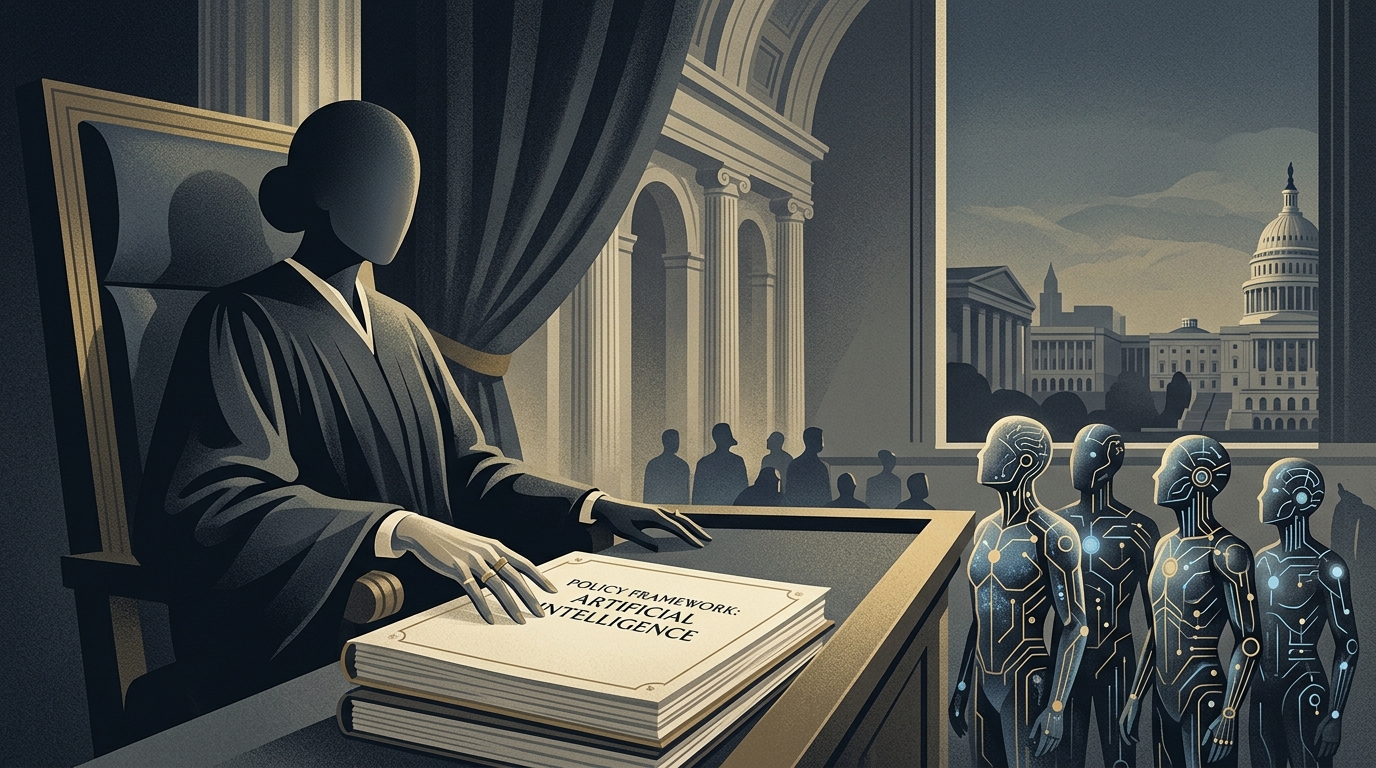
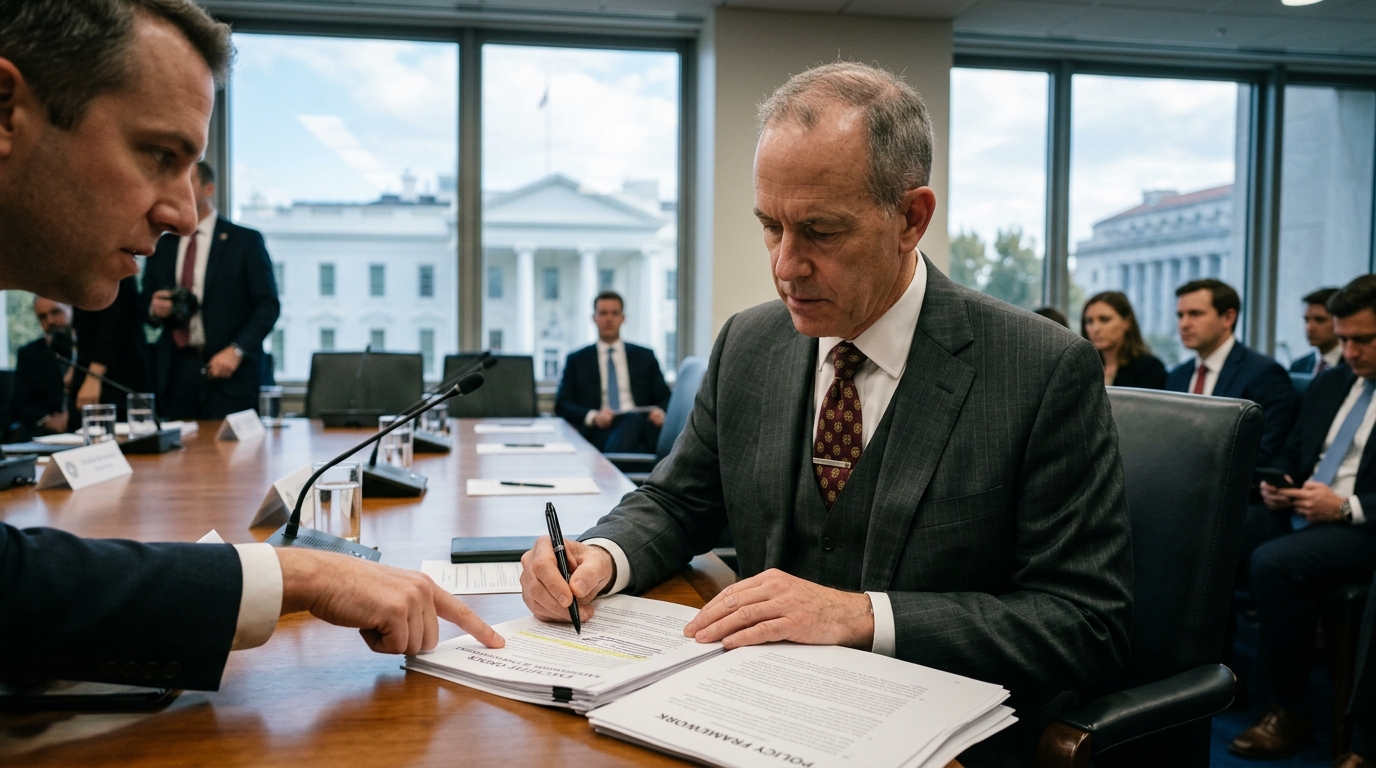
Analysts point out that this move is a direct response to President Biden's Executive Order 14105, which restricted US investments in Chinese high-tech sectors. However, the Chinese side is going a step further: it is not waiting for the US to exit but is proactively expelling them. ByteDance, which has already faced immense pressure in the US to sell TikTok, appears to be aligning fully with the Party line, preferring state support over uncertain and politically charged American funding.
The Impact on Silicon Valley and Investors
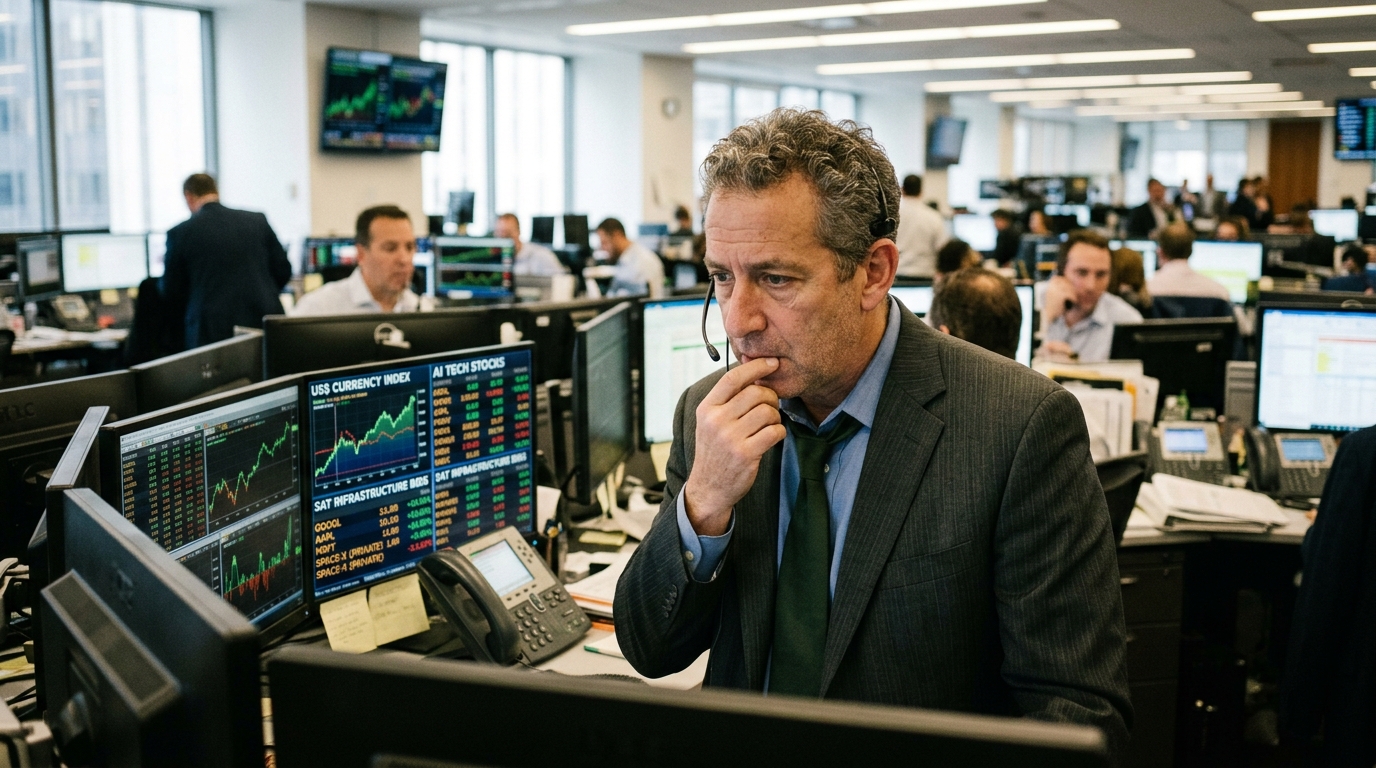
This news has sent shockwaves through the investment circles of New York and San Francisco. Major players like Sequoia Capital and IDG Capital, which have invested billions in the Chinese AI ecosystem over the last decade, now find themselves in an extremely difficult position. The process of 'divestment' is not only technically complex but also financially painful, as liquidating shares in an environment of geopolitical tension inevitably leads to significant losses.
- Restriction of access to Chinese data sets for American investors.
- Increased state funding from Chinese banks and local governments.
- Acceleration of the creation of 'closed' technological ecosystems.
- Pressure on Chinese firms to list on Hong Kong or Shanghai stock exchanges instead of NASDAQ.
"We are not just seeing a trade war, but the birth of two parallel digital universes that will never communicate with each other again," says a senior financial analyst in Hong Kong.
Two Worlds, Two Intelligences
The long-term consequence of this decision is the complete bifurcation of global AI. On one side, we will have the Western model, based on the open market (albeit with increasing restrictions) and the values of liberal democracies. On the other, the Chinese model, where AI serves social stability and state enforcement, funded by a centrally controlled economy. The ban on US investments means that Chinese AI firms will no longer have to answer to Western shareholders regarding AI ethics or transparency, a fact that gives Beijing a free hand for even more aggressive use of technology in internal security and surveillance.
In conclusion, April 25, 2026, will be recorded in history as the day capital lost its global status in the technology sector. ByteDance and the other affected companies are now becoming China's 'national fortresses,' while the West is called to meet the challenge of innovation without access to the vast market and data of the East.