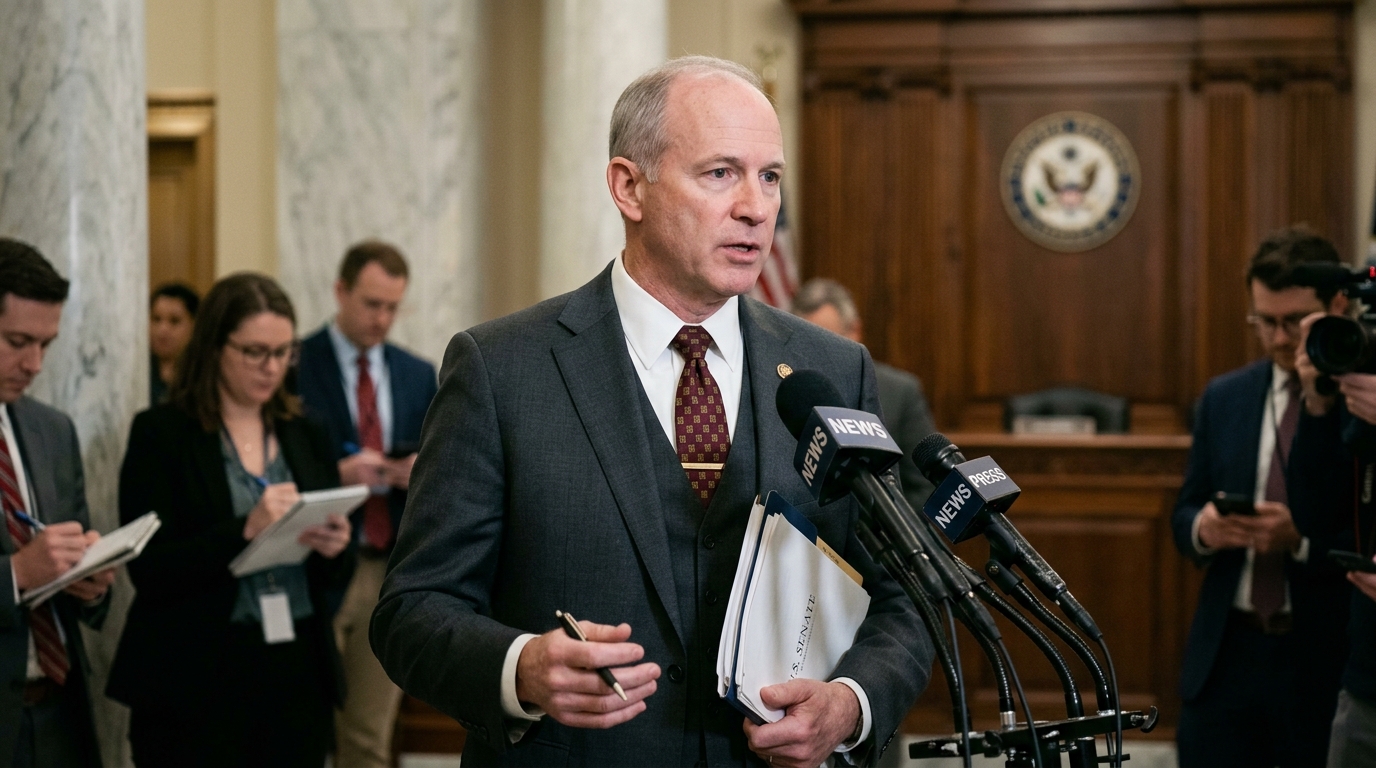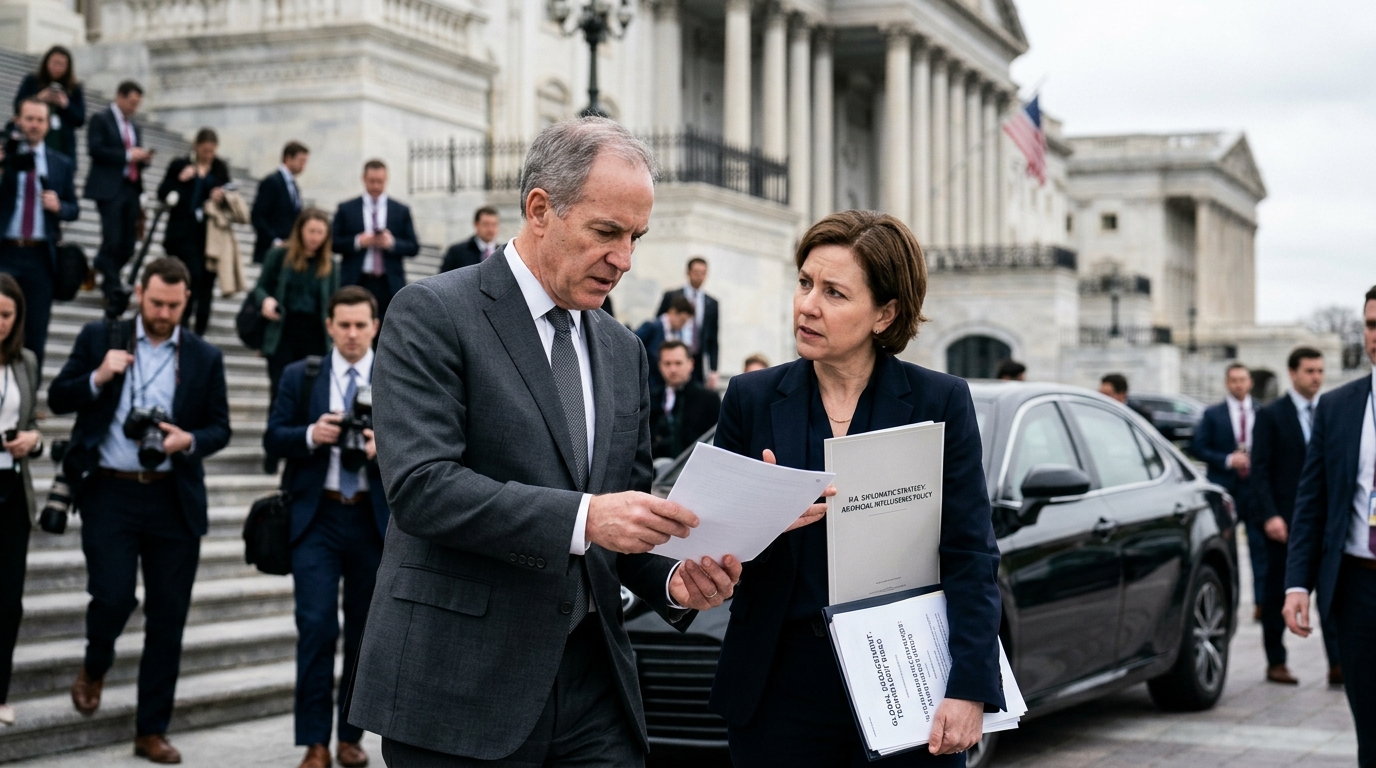
In a move that signals a significant escalation in the technological cold war between Washington and Beijing, the US State Department has instructed its diplomats worldwide to launch a coordinated campaign of information and pressure. The subject of the dispute is no longer just semiconductors or hardware, but a sophisticated machine learning technique known as 'model distillation.' According to reports, US authorities are concerned that Chinese tech giants are using the output of top-tier American models, such as OpenAI's GPT-4, to train their own domestic systems, bypassing years of research and billions of dollars in investment.
The Technique of Distillation: Theft or Optimization?
AI 'distillation' is a process where a smaller, more efficient model (the 'student') is trained to mimic the behavior and responses of a larger, more powerful model (the 'teacher'). While this technique is legitimate and widely used in the academic community to create lighter applications, Washington argues that China is using it systematically to 'steal' the intellectual property and logical structure of American algorithms.
As sources close to the US government report, this process allows companies like ByteDance and Baidu to close the innovation gap with the US in a fraction of the time and cost normally required.
"This isn't just competition; it's the extraction of American ingenuity to fuel an authoritarian digital ecosystem,"stated a senior official from the US Department of Commerce.
Diplomatic Strategy and the G7 Alliance
The new directive to US embassies includes the creation of a united front with G7 allies and the European Union. The goal is to impose stricter terms of use on international AI service contracts (SaaS) and to create monitoring mechanisms that will detect unusual access patterns to APIs (Application Programming Interfaces). The US seeks to convince its partners that 'distillation' poses a national security threat, as it can be used to develop sophisticated cyber warfare or propaganda systems.
- Imposing restrictions on cloud provider access for entities linked to the Chinese military.
- Requiring US AI companies to report suspicious 'scraping' activities from foreign users.
- Harmonizing intellectual property laws to include model 'weights' as protected assets.
Beijing's Response and the Impact on Innovation
For its part, Beijing dismisses the accusations as 'technological bullying.' The Chinese Foreign Ministry argued that the US is trying to maintain its hegemony by obstructing the free flow of knowledge. The Chinese side emphasizes that training models on available data is part of the evolution of science and that American companies have also benefited from open research globally.
However, concern in Silicon Valley is high. If Washington proceeds with blanket restrictions, there is a risk of the internet fragmenting into 'digital walls' (splinternet), where access to top-tier AI is determined by geopolitical alliances rather than the market. Analysts warn that this pressure may accelerate China's drive for full autonomy, leading to an AI arms race without safety standards.
Conclusion: The New Geography of Power
The battle over AI distillation highlights that data and model 'logic' are the new oil. The US is no longer satisfied with controlling chip manufacturing plants in Taiwan; it seeks to control how knowledge is transferred from one machine to another. As we enter the second half of the 2020s, AI diplomacy will become the central pillar of the great powers' foreign policy, determining who will lead the next industrial revolution.