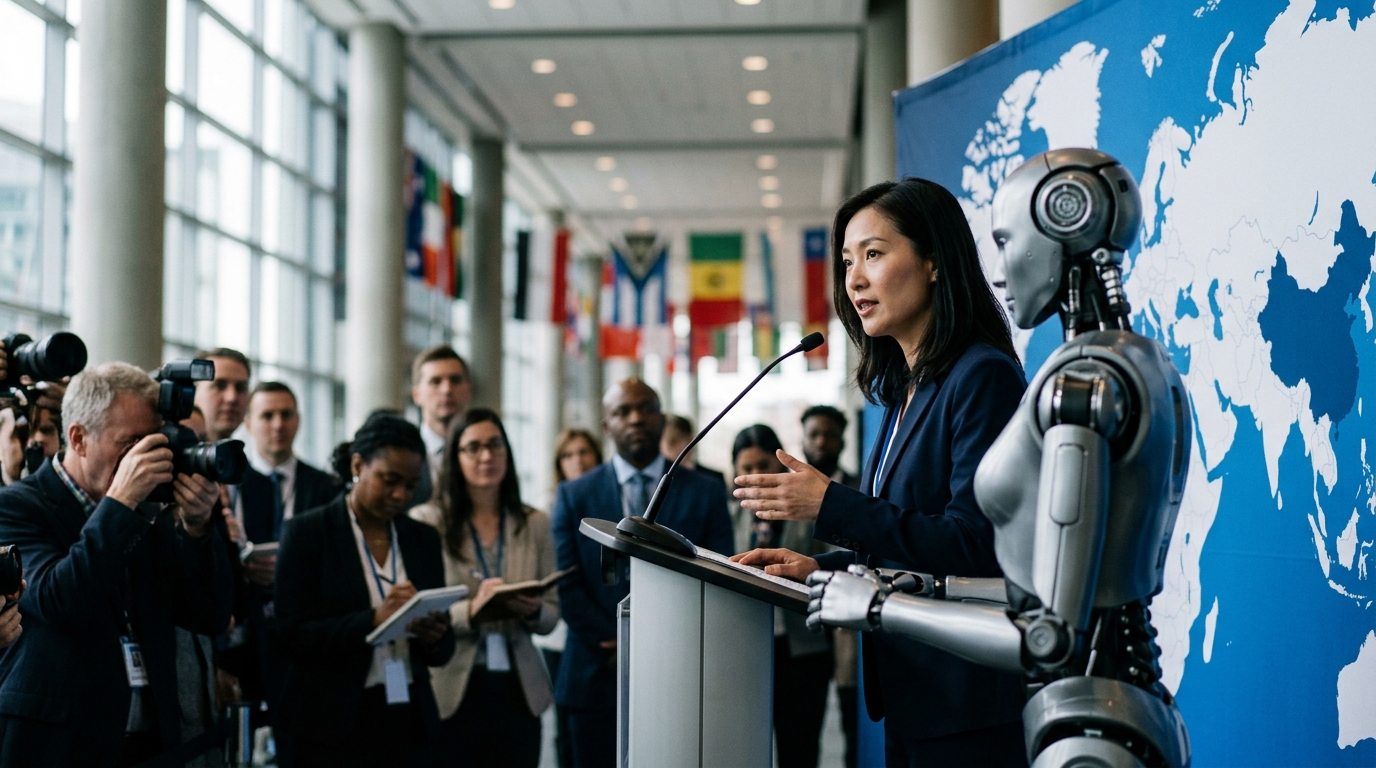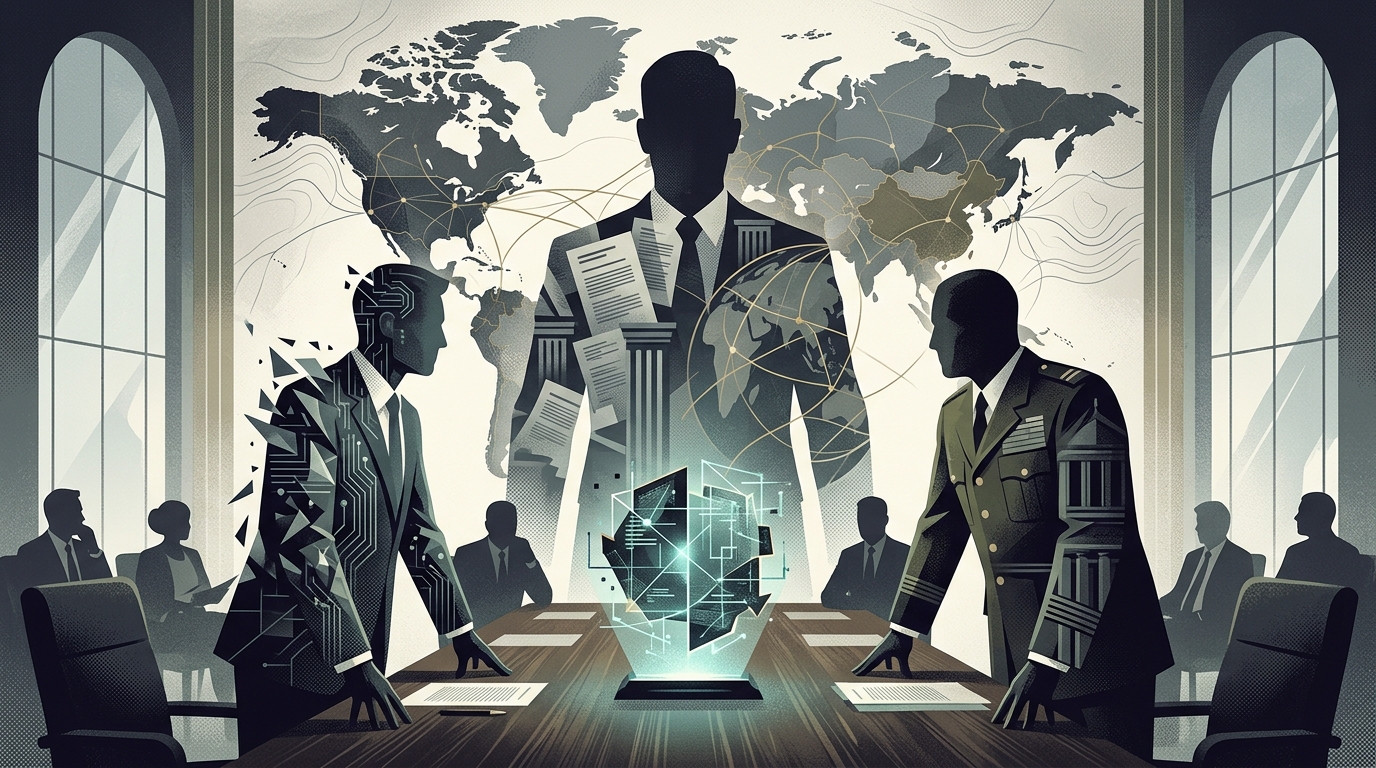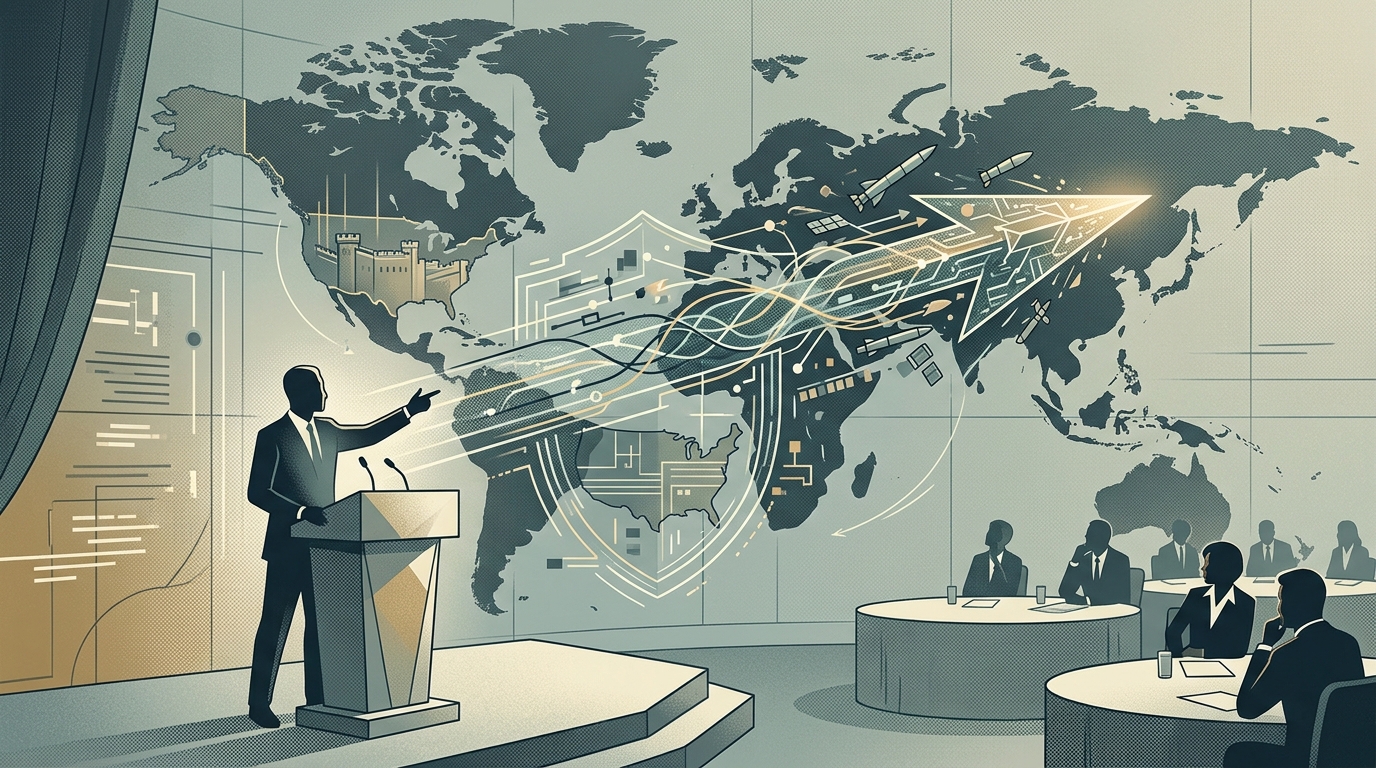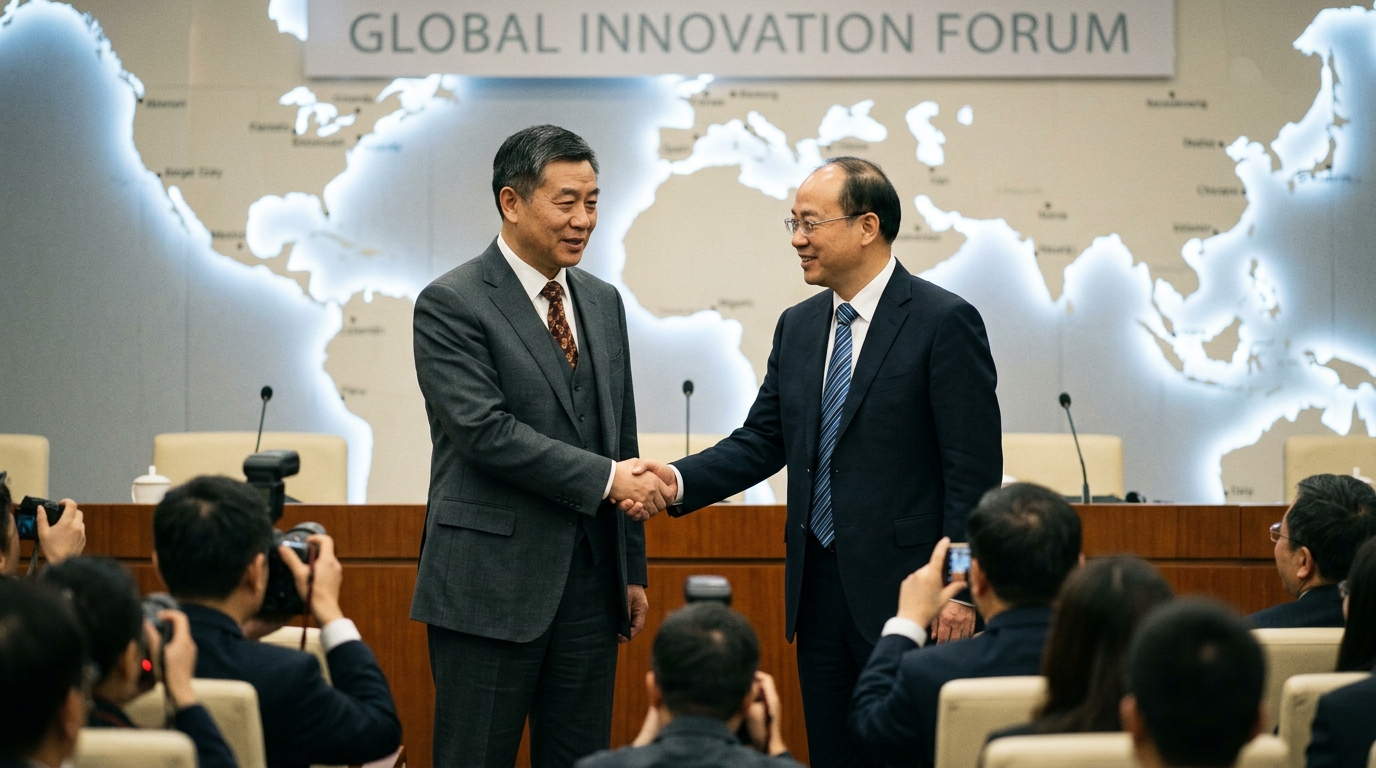
In the high-stakes theater of the global AI arms race, China has just unveiled a strategic maneuver that could fundamentally alter the trajectory of technological decoupling. DeepSeek, the AI research firm that has recently stunned the industry with its hyper-efficient models, has announced a new iteration of its software specifically optimized for Huawei’s Ascend AI chips. This development is far more than a technical patch; it is a direct challenge to the global hegemony of NVIDIA and a significant step toward Chinese technological self-reliance.
Breaking the CUDA Chains
For over a decade, NVIDIA’s dominance has been anchored not just in its superior hardware, but in its proprietary software layer, CUDA. By becoming the industry standard for AI training, CUDA created a formidable moat that competitors found nearly impossible to cross. DeepSeek’s decision to optimize its models for Huawei’s CANN (Compute Architecture for Neural Networks) represents a calculated effort to bypass this moat entirely.
By tailoring their algorithms to the specific architecture of Huawei’s silicon, DeepSeek is demonstrating that software ingenuity can compensate for hardware limitations. Even if Huawei’s chips lag a generation behind NVIDIA’s latest offerings due to export controls, the specialized optimization allows them to punch far above their weight class, achieving performance levels that were previously thought impossible on non-Western hardware.
The Architecture of Sovereignty
This partnership is the cornerstone of Beijing’s broader mission to achieve "technological sovereignty." As the US continues to tighten restrictions on high-end semiconductor exports, the Chinese government has incentivized a vertical integration of its tech stack. The DeepSeek-Huawei alliance provides a blueprint for this new era: domestic algorithms running on domestic chips, supported by domestic infrastructure.
- Efficiency as a Weapon: DeepSeek’s Mixture-of-Experts (MoE) architecture is notoriously efficient, allowing for high-level performance with significantly lower computational costs.
- Resilience Against Sanctions: By building a self-contained ecosystem, China is insulating its AI ambitions from future policy shifts in Washington.
- A New Tech Bloc: This stack could eventually be exported to "Global South" nations, offering a powerful alternative to the American-led technological order.
Geopolitical Implications: The Great Bifurcation
The implications of this move extend far beyond the balance sheets of tech companies. We are witnessing the birth of a truly bifurcated technological world. If China can successfully deploy a competitive AI ecosystem that does not rely on Western IP, the global internet and AI landscape will split into two distinct spheres: one led by the US and its allies (NVIDIA, OpenAI, Google), and another led by China (Huawei, DeepSeek, Baidu).
"This is no longer a race about who has the fastest hardware; it’s a race about who can build the most resilient and independent ecosystem," noted a senior analyst in semiconductor geopolitics.
DeepSeek’s rise has already sent shockwaves through the markets, proving that a lean, focused laboratory can rival the giants of Silicon Valley. Now, with the backing of Huawei’s massive industrial capacity, DeepSeek is positioned as a national champion. Washington’s strategy of containment is facing a paradox: the more it restricts China, the faster China innovates to fill the vacuum.
Challenges on the Horizon
Despite the symbolic and technical victory, significant hurdles remain. Huawei’s chip fabrication partner, SMIC, still faces immense challenges in achieving the high yields required for mass production at the 5nm and 3nm nodes. Furthermore, the global developer community is still deeply entrenched in the Western software ecosystem, making it difficult for Huawei’s CANN to gain international traction.
However, the DeepSeek-Huawei collaboration proves that the "Silicon Curtain" is not just falling; it is being actively constructed from both sides. As we move further into 2026, the question is no longer whether China can survive without Western chips, but how the West will respond to a China that has learned to thrive in isolation. The AI war has moved from the laboratory to the foundations of global power.