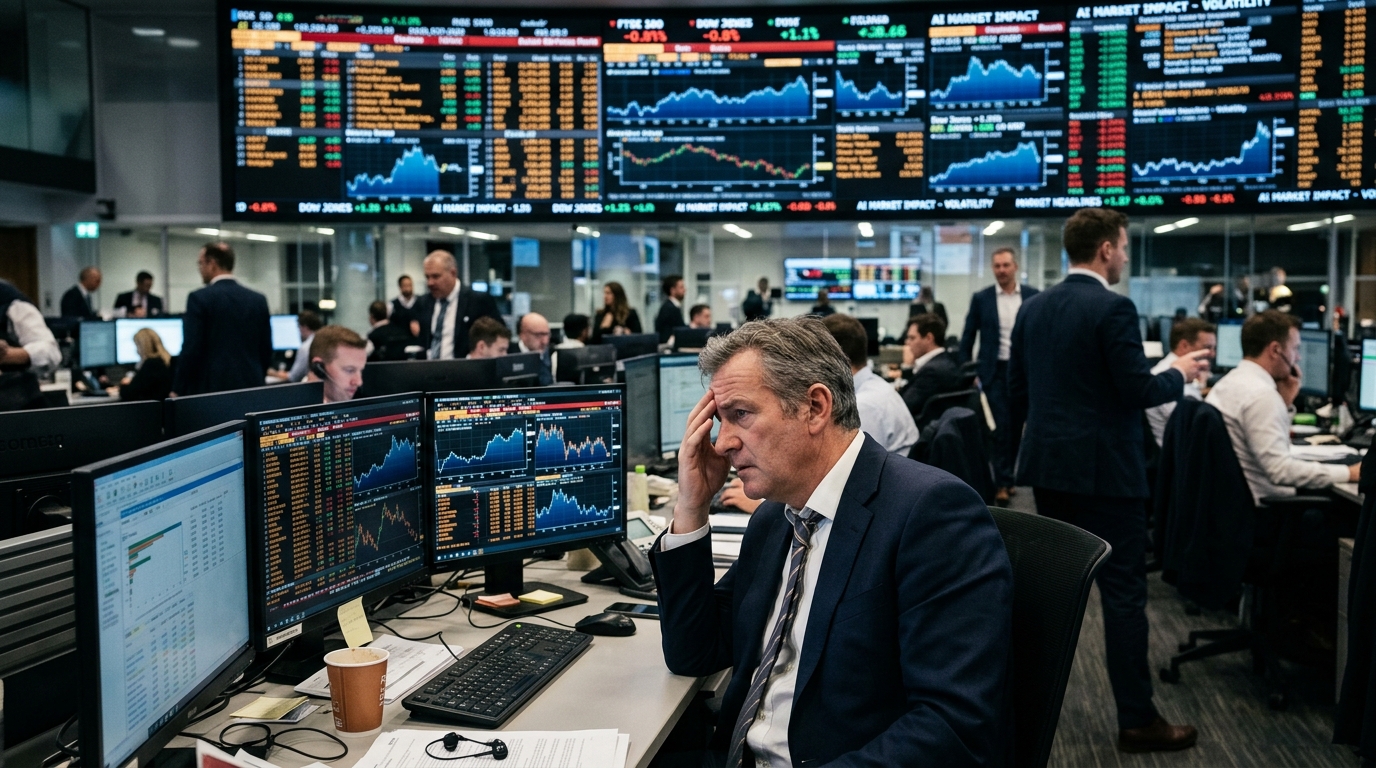
The global AI arms race entered a new, unprecedented phase today. According to reports from Ars Technica, Google has announced its intent to invest as much as $40 billion in Anthropic, the AI safety-focused startup founded by former OpenAI executives. This massive commitment comes just days after Amazon significantly increased its own stake, positioning Anthropic as the most coveted asset in Silicon Valley's crown.
The Strategic Pivot: Hedging Bets
For Google, this investment represents more than just a financial placement; it is a profound strategic realignment. While the Mountain View giant continues to aggressively develop its internal Gemini models, the multi-billion dollar bet on Anthropic suggests that Sundar Pichai’s leadership is unwilling to rely on a single internal trajectory. Anthropic has successfully branded itself as the "ethical" alternative to OpenAI, utilizing a "Constitutional AI" framework that allows models to self-regulate based on a human-defined set of principles.
The investment, expected to be deployed over the next three years, includes direct cash infusions and massive credits for Google Cloud Platform (GCP). This creates a sophisticated financial loop: Google provides the capital, which Anthropic then returns to Google in exchange for the immense compute power required to train its next-generation Claude models. It is a symbiotic relationship that boosts Google’s cloud revenue while securing its proximity to cutting-edge research.
The Infrastructure War and Cloud Dominance
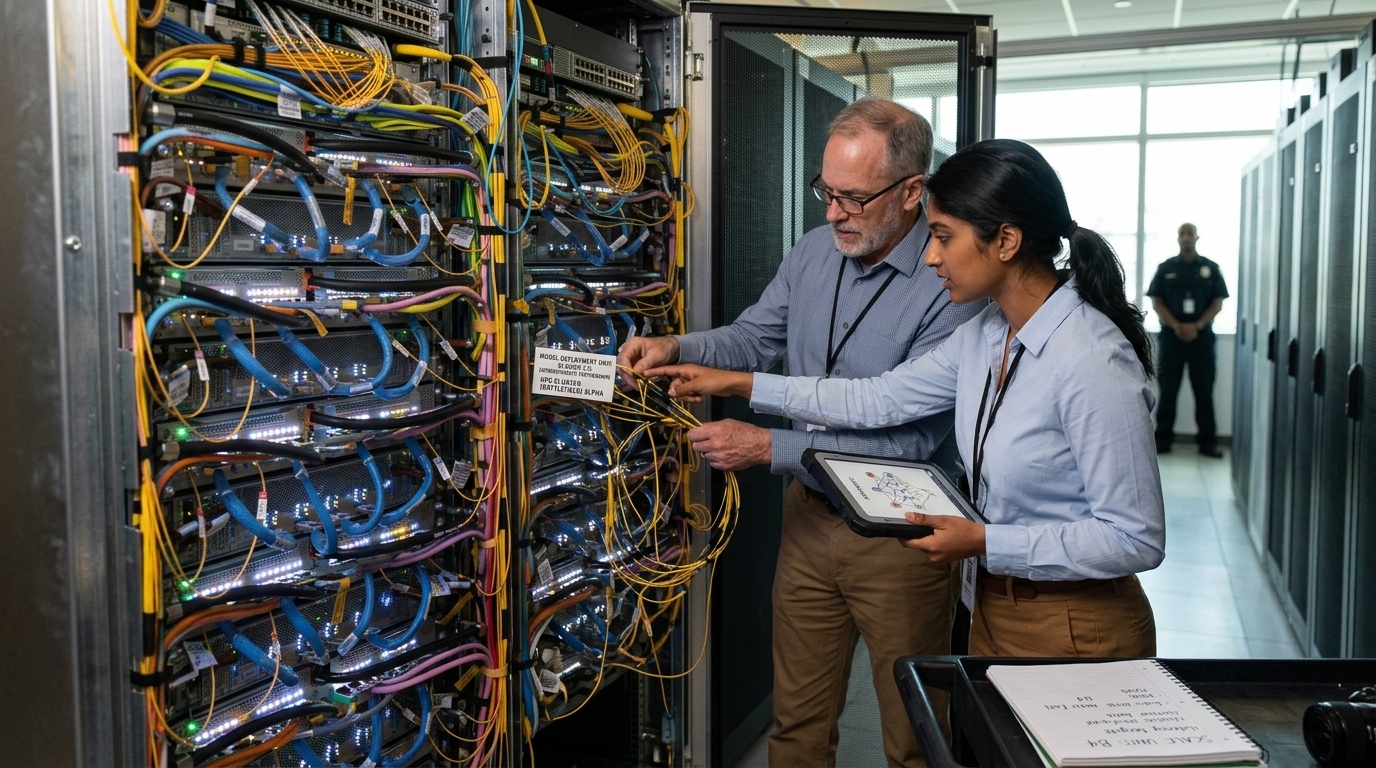
By 2026, the AI debate has shifted from mere algorithms to the brutal reality of scale. Training models that approach Artificial General Intelligence (AGI) requires hundreds of thousands of specialized chips (GPUs and TPUs) and energy consumption levels comparable to small nations. With Amazon having already anchored Anthropic within its AWS ecosystem, Google’s move is a clear attempt to ensure that Claude remains optimized for GCP as well.
This "dual-cloud" strategy by Anthropic is historic. It showcases a startup capable of maintaining relative independence while simultaneously siphoning resources from the world’s largest competitors. However, market analysts warn that such deep structural dependence on Big Tech infrastructure could eventually erode Anthropic’s autonomy, effectively turning it into an outsourced R&D department for its billionaire benefactors.
Regulatory Scrutiny and Antitrust Concerns
The news of the $40 billion investment has immediately triggered alarms among regulators in the US and Europe. The Federal Trade Commission (FTC) has been closely monitoring "stealth acquisitions"—deals where tech giants invest billions into startups instead of buying them outright to bypass traditional merger and acquisition (M&A) reviews.
In the European Union, the focus is on the concentration of power. If Microsoft effectively controls OpenAI, and Google and Amazon divide the influence over Anthropic, the future of AI becomes concentrated within a handful of boardrooms in California and Seattle. This raises existential questions about competition, innovation, and digital sovereignty for the rest of the world. Anthropic maintains that its multi-investor approach is the only way to ensure no single corporation gains total control over a technology that could redefine human civilization.
The Value of Safety: Interpretability as a Product
What exactly is Google buying for $40 billion? Beyond code, it is purchasing a philosophy. Anthropic has dedicated immense resources to "mechanistic interpretability"—the science of understanding why an AI makes the decisions it does. In a world increasingly threatened by deepfakes, misinformation, and algorithmic bias, Anthropic’s safety-first pedigree is a valuable shield. It makes their models more palatable to government agencies and heavily regulated industries like healthcare and finance.
In conclusion, Google’s mammoth investment marks the end of the "experimental" era of AI. Artificial intelligence is now the heavy industry of the 21st century, where survival is reserved for those with near-infinite capital and access to vast energy grids. The lingering question is whether Anthropic can preserve its "soul" and ethical commitments while sitting at the center of the most expensive corporate war in technological history.