The recent visit of Anthropic CEO Dario Amodei to the White House was far more than a routine corporate engagement. According to reports from The Washington Post, the meeting signaled a profound shift in how the U.S. government views the intersection of artificial intelligence and national security. As Anthropic nears the release of its most sophisticated models to date, the Biden administration is sounding the alarm over a chilling possibility: that the very tools designed to advance human knowledge could be weaponized by state-sponsored cyber actors.
The Crown Jewels: Protecting Model Weights
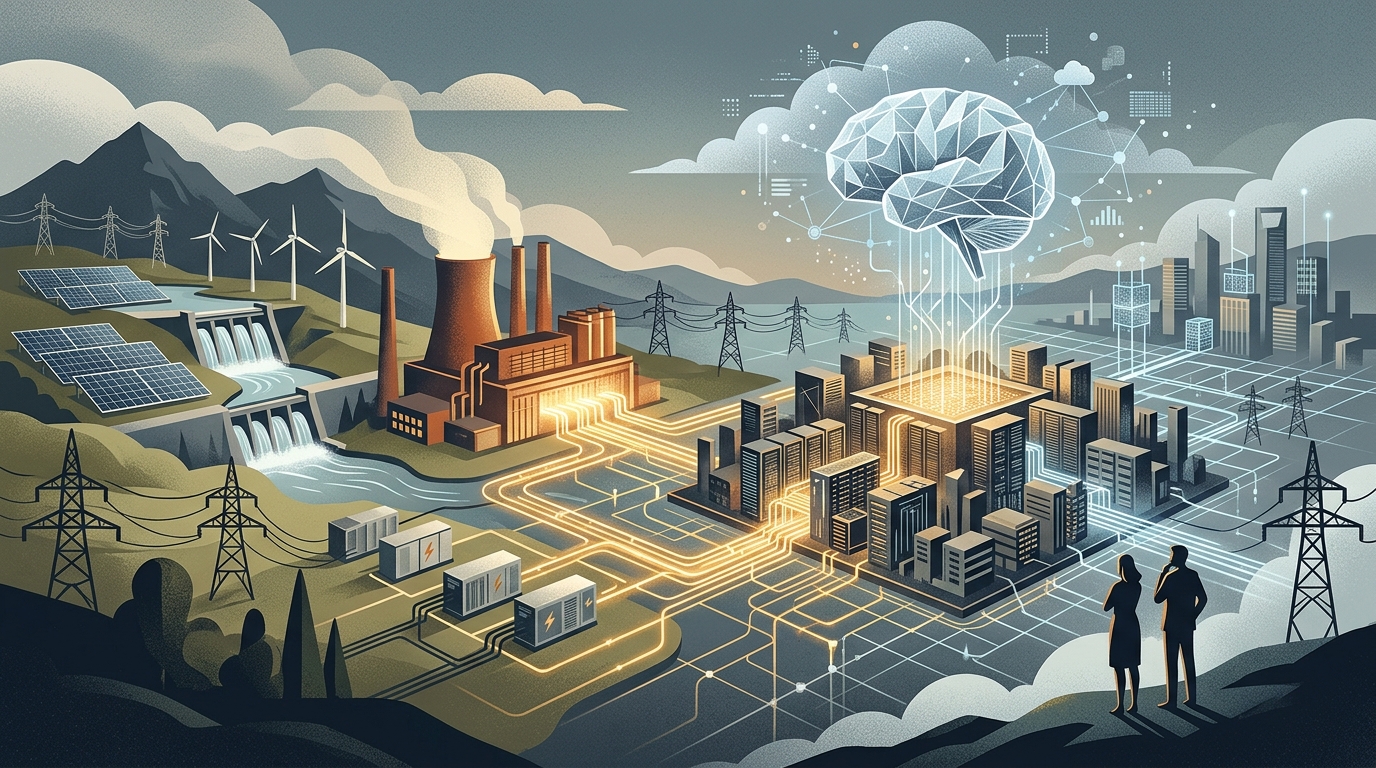
At the heart of the high-level discussions was the vulnerability of "model weights." In the architecture of a Large Language Model (LLM), these weights represent the refined intelligence of the system, honed through billions of dollars in R&D and massive computational power. For a foreign adversary, stealing these weights is the ultimate shortcut—a way to bypass years of American innovation and gain immediate access to frontier AI capabilities.
- State-Sponsored Theft: Intelligence agencies have flagged increasing attempts by hacking groups linked to China and Russia to penetrate the digital perimeters of AI labs.
- The Jailbreaking Risk: Once weights are stolen, an adversary can run the model on their own servers, stripping away any safety guardrails implemented by the original creators.
- Dual-Use Dilemma: A frontier model capable of writing complex code can also be used to discover zero-day vulnerabilities in critical infrastructure or assist in the synthesis of novel chemical compounds.
"We are no longer just talking about software bugs; we are talking about the blueprints for a new kind of strategic power," noted a senior policy advisor familiar with the discussions.
Anthropic’s Responsible Scaling Policy (RSP)
Anthropic has positioned itself as the "safety-first" alternative in the AI arms race. Amodei’s visit served as an opportunity to brief officials on the company’s Responsible Scaling Policy (RSP). Unlike the traditional tech mantra of rapid deployment, the RSP establishes clear "tripwires." If a model demonstrates capabilities that exceed a specific safety threshold—such as providing actionable instructions for biological warfare—the policy mandates a halt in development until more robust defenses are built.
This framework is increasingly being looked at by Washington as a potential blueprint for federal regulation. By voluntarily adopting such stringent internal controls, Anthropic is not only mitigating risk but also setting a standard that could become mandatory for all players in the industry. The White House is particularly interested in how these policies can be audited by third parties to ensure they are more than just corporate window dressing.
Geopolitics and the AI Arms Race
The backdrop to this meeting is the intensifying technological rivalry between the United States and China. U.S. officials are concerned that the current open-research culture of Silicon Valley might inadvertently aid Beijing’s military modernization. The fear is that a "Sputnik moment" in AI could come not from a breakthrough in a Chinese lab, but from the successful exfiltration of American technology.
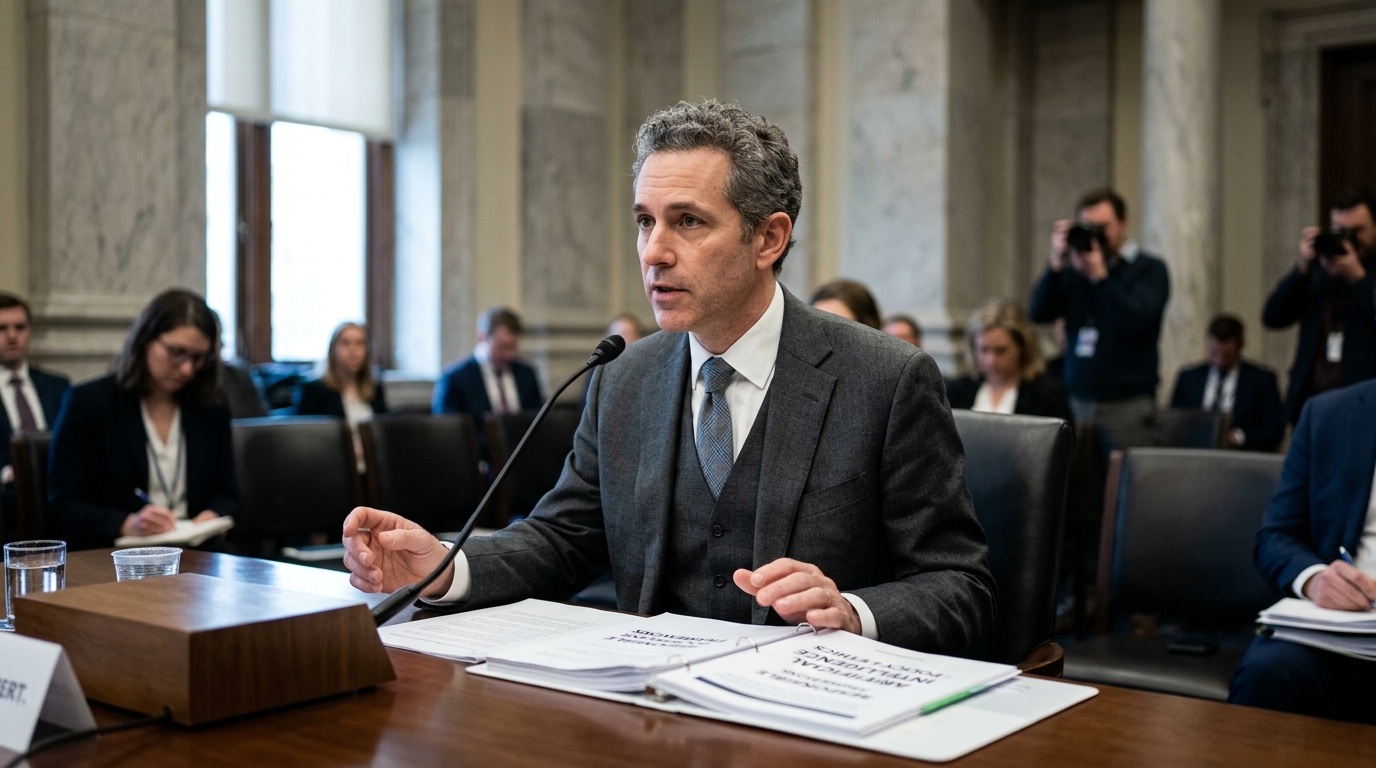
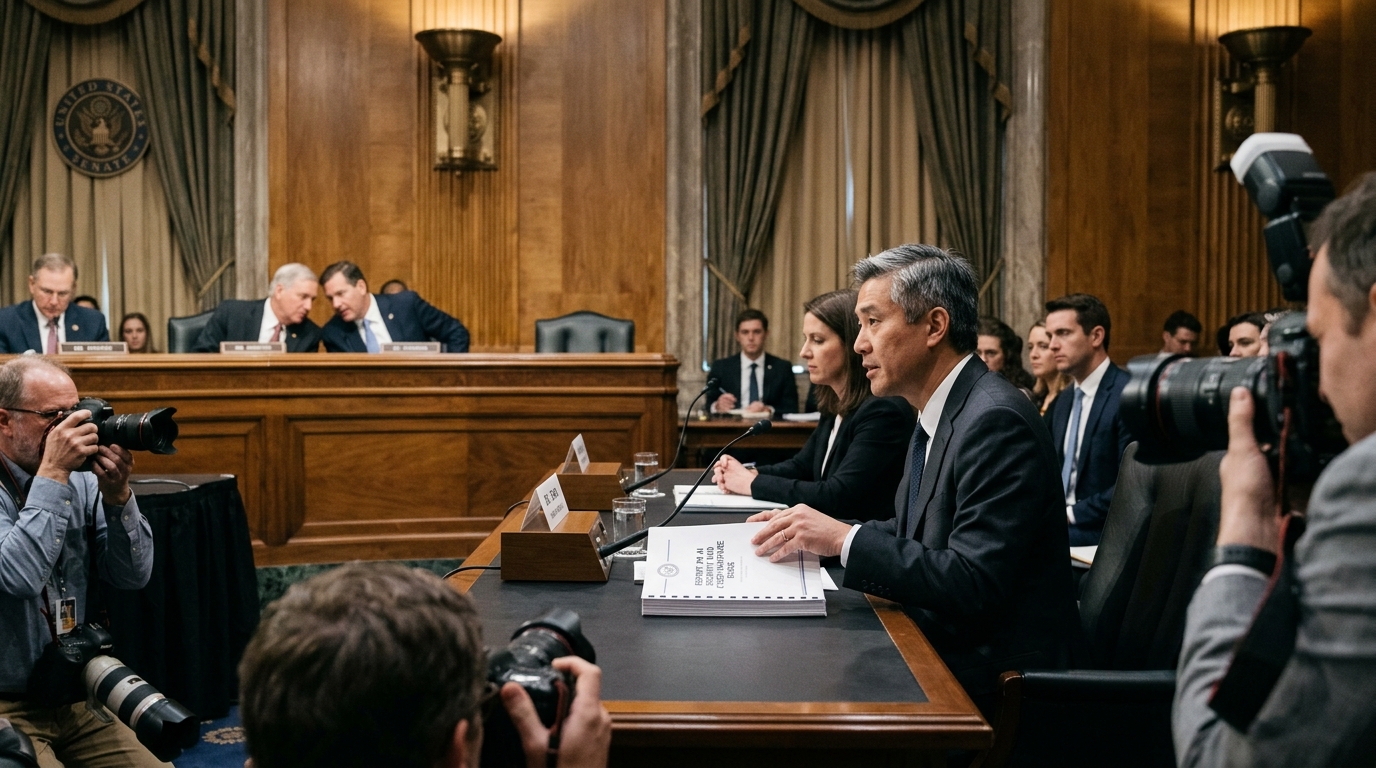
The Biden administration’s Executive Order on AI has already begun to tighten the screws, requiring developers of the most powerful models to share safety test results with the government. Amodei’s presence at the White House suggests that the dialogue is moving toward even deeper cooperation, potentially involving classified briefings on the specific cyber tactics being used by adversaries to target AI companies.
Conclusion: A New Social Contract for AI
The dialogue between Anthropic and the White House represents the birth of a new social contract. In this era, the development of frontier AI is no longer a private commercial endeavor; it is a matter of public safety and national integrity. The challenge lies in fostering an environment where innovation can flourish without creating the tools of our own destruction.
As we move forward, the focus will likely shift from voluntary commitments to statutory requirements. Anthropic’s proactive engagement suggests they are ready for this transition, betting that in the long run, the most successful AI companies will be those that can prove they are safe, secure, and aligned with national interests. The White House visit was a clear signal: the era of unregulated frontier AI development is drawing to a close, replaced by a regime of vigilance and strategic defense.