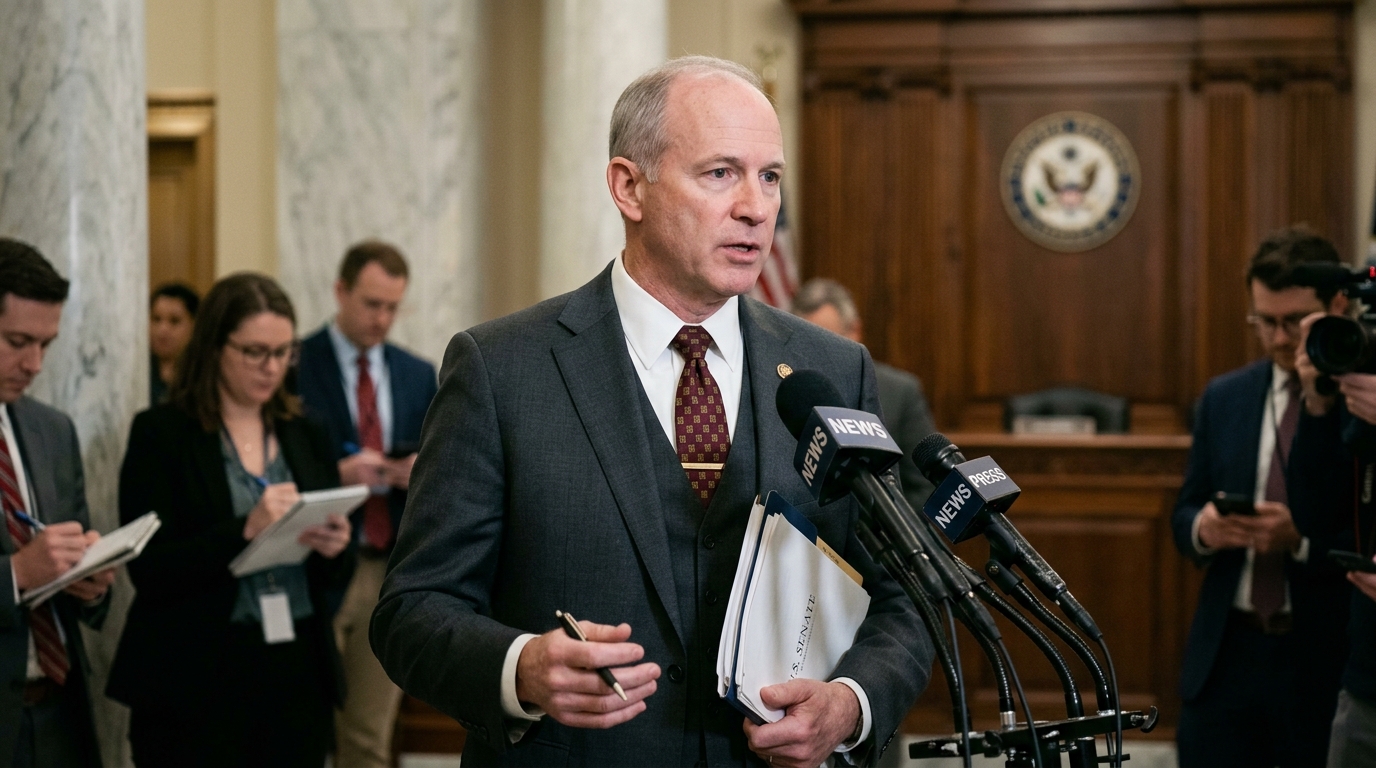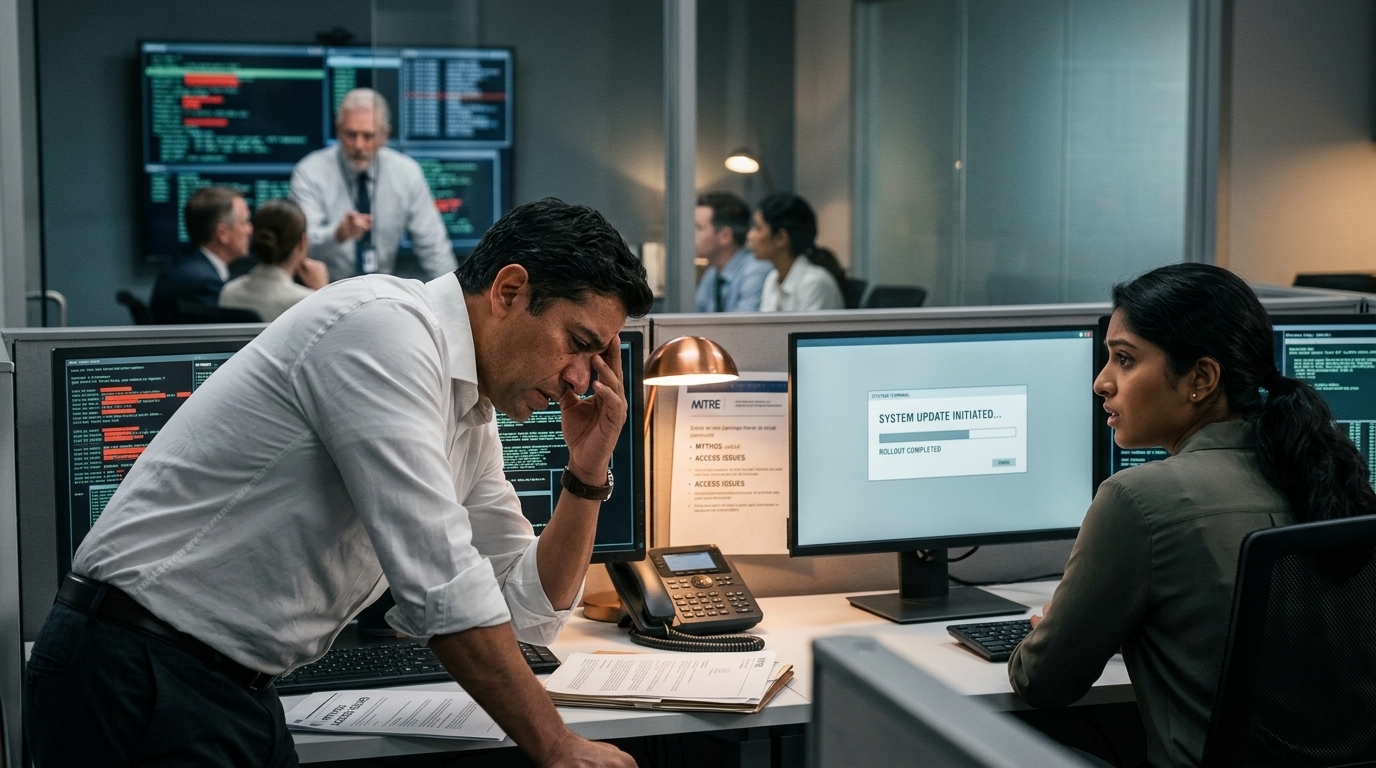
In the rapidly shifting landscape of digital defense, the news that Anthropic—a leader in the so-called "safe" AI movement—has bypassed the Cybersecurity and Infrastructure Security Agency (CISA) in its initial rollout of the "Mythos" model has sent ripples through Washington. Mythos is not merely another iteration of a large language model; it is a specialized instrument engineered to identify vulnerabilities in code and infrastructure before they can be exploited by adversarial actors. However, CISA’s absence from the roster of early adopters reveals deeper fractures in how the private sector and the state collaborate on national security.
The Strategic Weight of Mythos
The Mythos model represents the vanguard of Anthropic’s effort to prove that generative AI can serve as a potent defensive weapon. Unlike Claude, which is strictly governed to avoid generating malicious code, Mythos possesses deep knowledge of offensive tactics (red teaming), allowing analysts to simulate sophisticated attacks and fortify systems accordingly. Its adoption by the Department of Defense (DoD) and other intelligence agencies indicates a clear pivot toward automated vulnerability research. Yet, the exclusion of CISA—the agency tasked with coordinating the defense of civilian infrastructure—creates a paradoxical gap in the nation's armor.
Institutional Friction and the Bureaucracy of Innovation
The reasons behind this exclusion appear to be a mix of bureaucratic hurdles and strategic prioritization. CISA, despite its critical mission, often operates under different procurement protocols than its military counterparts. Furthermore, there is speculation that Anthropic may have prioritized partners with more experience in classified operations for the model's initial "refinement" phase. This, however, leaves critical civilian infrastructure—from power grids to water treatment facilities—without the immediate protection that AI could provide at a time when state-sponsored cyberattacks are increasing in both frequency and complexity.
The Necessity of a Unified Digital Shield
The Mythos case highlights the urgent need for a more cohesive approach to government AI adoption. If AI is to be the future of cyber-defense, fragmented access can create dangerous "blind spots." CISA serves as the vital link between the federal government and the private sector; if the agency itself lacks access to the most sophisticated tools, how can it effectively guide Fortune 500 companies in navigating the new threat landscape? Anthropic must balance the profitability of lucrative defense contracts with its stated ethical commitment to public safety.
- CISA’s role as a coordinator is irreplaceable for civilian protection.
- Mythos offers capabilities that far exceed conventional code-scanning tools.
- A lack of transparency in AI-government partnerships could undermine public trust in these technologies.
Ultimately, the sidelining of CISA is not just an administrative oversight; it is a warning sign. In a world where cyber-response times are measured in milliseconds, delays in accessing cutting-edge technology can be catastrophic. Anthropic and the US government must ensure that security does not become the exclusive privilege of a few high-budget agencies, but rather a universal digital reality for all critical sectors.