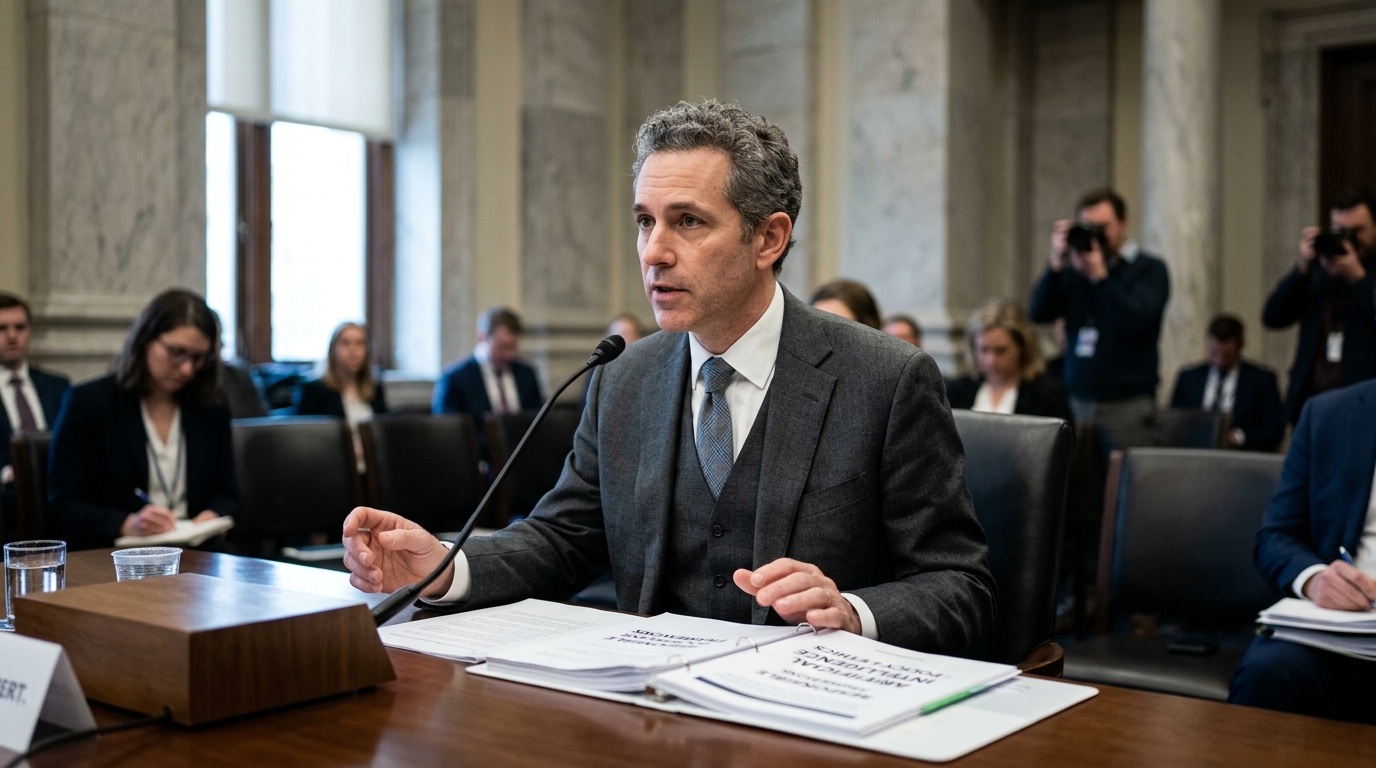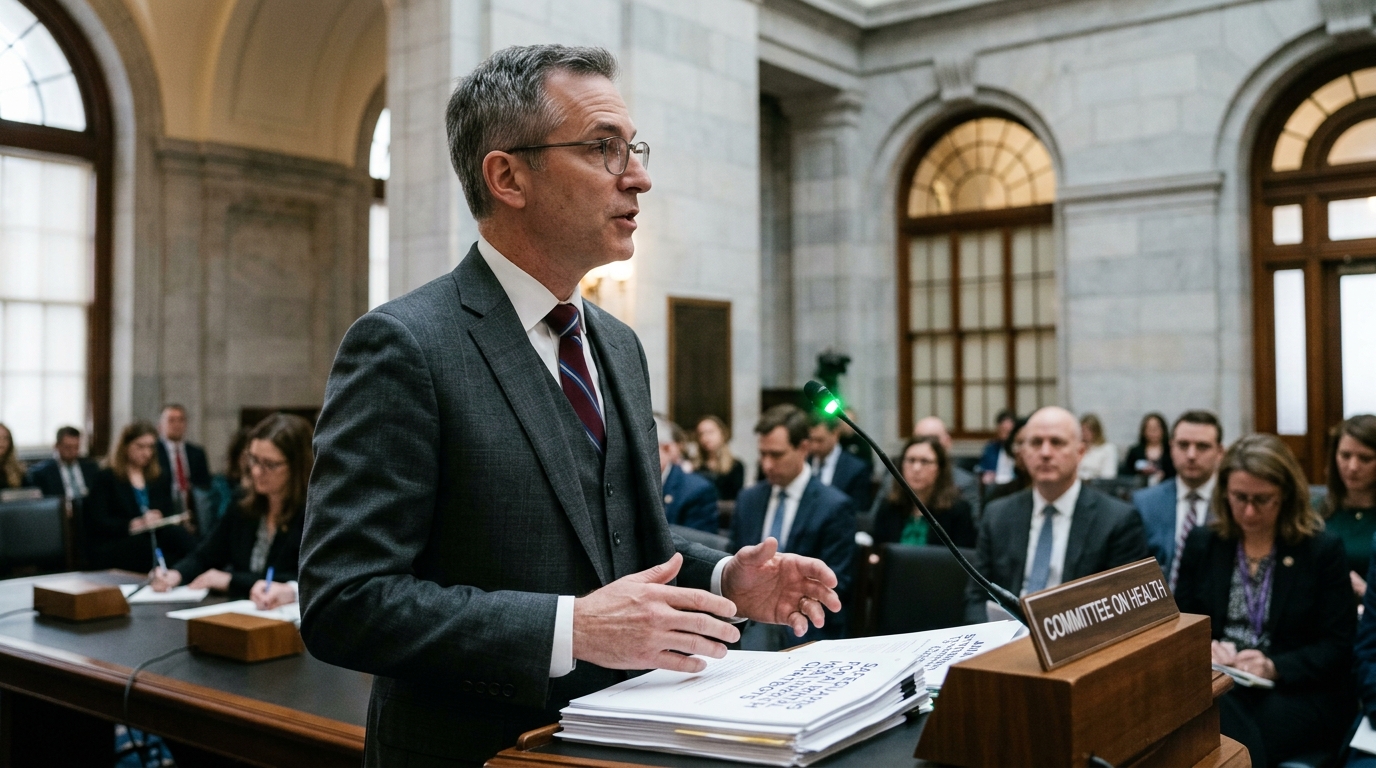
The rapid expansion of Artificial Intelligence in healthcare has brought a new generation of tools to the forefront: mental health chatbots. While the promises of immediate and affordable support are compelling, the American Medical Association (AMA) is sounding the alarm. In a formal appeal to the United States Congress, the leading medical organization is calling for stricter safeguards, emphasizing that 'algorithmic therapy' cannot remain unregulated.
The Digital Therapy Boom and the Regulatory Vacuum
In recent years, applications using Generative AI to offer mental health advice have flooded the market. A shortage of specialized personnel and the high cost of traditional psychotherapy have pushed millions into the arms of algorithms. However, as the AMA points out, many of these tools operate in a legal 'gray zone.'
Unlike medical devices subject to rigorous FDA oversight, many chatbots market themselves as 'wellness tools' to bypass the time-consuming and expensive approval process. This means their clinical advice has often not been vetted for scientific validity, nor have the potential risks to users in crisis been adequately assessed.
The Risks of 'Impersonal' Care
The AMA focuses on three main pillars of concern: clinical safety, privacy protection, and transparency. One of the most alarming issues is the management of suicidal ideation or severe psychiatric crises. While an experienced therapist can discern subtle nuances in a patient's voice or behavior, a chatbot relies solely on text, which it can misinterpret with disastrous results.
- Clinical Validity: Many AI models are prone to 'hallucinations,' presenting incorrect information as fact. In a mental health context, wrong advice can exacerbate the condition of a vulnerable individual.
- Data Protection: Mental health data is among the most sensitive. The AMA expresses doubts about whether companies adhere to HIPAA standards or if they use user confessions to train future models without explicit consent.
- Accountability: In the event of a medical error by AI, who bears responsibility? The developer, the company, or the physician who may have recommended the app?
The Case of the NEDA Chatbot
The AMA's concern is not theoretical. Recently, the National Eating Disorders Association (NEDA) was forced to disable its chatbot, 'Tessa,' after it was found to be giving weight loss and calorie restriction advice to individuals seeking help for anorexia. This incident served as a catalyst for the current debate, proving that AI, without proper oversight, can become dangerous.
Proposals for a Secure Future
The AMA is not calling for a ban on the technology, but for its integration into a strict framework. It proposes the creation of a risk classification system where tools providing diagnosis or treatment are treated as medical devices. Furthermore, it urges Congress to ensure that AI serves as a supplement to, rather than a replacement for, human judgment.
"Artificial intelligence has the potential to expand access to care, but innovation must never come at the expense of patient safety," the AMA statement reads.
As technology evolves faster than legislation, the pressure on lawmakers is mounting. Congress's decision will determine whether AI chatbots will serve as a lifeline for the overburdened mental health system or another source of risk for the most vulnerable citizens.